A recent survey by the International Diabetes Federation (IDF) estimates that 3.86 crore adults in India are living with undiagnosed diabetes — a staggering 43% of the country’s estimated 8.98 crore adults.
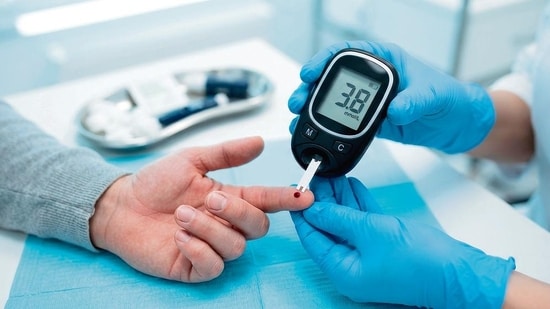
“Most people wait for overt discomfort before consulting a doctor, and because early high glucose triggers minimal symptoms, it flies under the radar,” says Dr Sandeep Kharb, senior consultant, endocrinology, Asian Hospital, Faridabad.
He adds that a person can live with diabetes for four to seven years without noticing anything amiss. An absence of symptoms, therefore, should not be mistaken for the absence of risk.
Early signs of diabetes
Dr Sudeep P Manohar, consultant endocrinologist and diabetes specialist, Apollo Hospitals, Jayanagar, Bengaluru,
- Frequent urination
- Increased thirst
- Increased hunger
- Unexplained weight loss
- Persistent fatigue
- Blurred vision
- Slow-healing wounds
- Recurrent skin, gum, urinary tract or fungal infections can be a warning sign
- Tingling, burning or numbness in their hands and feet
When to start screening
Dr Himika Chawla, senior consultant, endocrinology, PSRI Hospital, Delhi, recommends baseline annual screening between the ages of 25 and 30. Those with a family history may need to start sooner. “Women with Polyendocrine metabolic ovarian syndrome (PMOS) should get their HbA1c and oral glucose tolerance test (OGTT) checked at diagnosis, followed by annual testing. Those with a history of gestational diabetes should undergo screening six to 12 weeks after delivery and annually thereafter. Adults with obesity should be monitored every year, particularly if they have a high waist circumference,” says Dr Chawla.
Prediabetes: Your chance to intervene
Prediabetes is a condition in which blood glucose levels are higher than normal but not yet high enough to meet the diagnostic criteria for type 2 diabetes. Dr Manohar says, “Receiving a prediabetes diagnosis should be viewed as an opportunity for early intervention, because structural tissue damage has not yet set in, immediate lifestyle adjustments can return blood glucose parameters to normal ranges.”
{{/usCountry}}Prediabetes is a condition in which blood glucose levels are higher than normal but not yet high enough to meet the diagnostic criteria for type 2 diabetes. Dr Manohar says, “Receiving a prediabetes diagnosis should be viewed as an opportunity for early intervention, because structural tissue damage has not yet set in, immediate lifestyle adjustments can return blood glucose parameters to normal ranges.”
{{/usCountry}}He recommends:
- Weight management: Losing 5% to 7% of body weight, where appropriate, can improve insulin sensitivity
- Dietary changes: Replace refined carbohydrates and processed snacks with whole grains, pulses and non-starchy vegetables to increase fibre intake
- Regular physical activity: Aim for at least 150 minutes of moderate-intensity exercise a week. Short, 10-minute walks after major meals are also advisable
Can a CGM help detect diabetes?
Continuous glucose monitors (CGMs) help people track how their blood sugar responds to different foods and eating habits. However, Dr Chawla says, “CGMs are not meant for people without diabetes and are definitely not a tool for early diagnosis. While some people use them to understand which foods cause blood sugar spikes, they are not recommended for screening.”
She adds that CGMs are neither affordable nor accessible for large-scale screening: “Standard tests such as HbA1c and blood glucose testing after an oral glucose load remain the preferred screening methods. Wearables and other health-tracking devices are not validated for screening.”
Choosing the right test
Dr Manohar explains:
- HbA1c: Measures average blood glucose levels over the past 2-3 months; does not require fasting; can be taken at any time
- Fasting blood glucose (FBG): Measures blood sugar levels after 8 hours fasting
- Postprandial blood glucose (PPBG): Measures blood sugar levels 2 hours after starting a meal
- Oral glucose tolerance test (OGTT): Assesses how the body processes glucose by measuring blood sugar before and 2 hours after consuming a standardised glucose drink
The choice of test depends on individual circumstances. Doctors may recommend more than one test to confirm a diagnosis, says Dr Manohar.