
 E-Paper



‘3 kartavya’: Nirmala Sitharaman explains theme of Union Budget 2026
“This three-fold approach requires supportive ecosystem,” Nirmala Sitharaman said in what is her ninth consecutive budget in the 12 years of Modi-led NDA regime

 Prefer HTon Google


Union finance minister Nirmala Sitharaman said in her budget speech on Sunday that the financial planning and focus of the Narendra Modi government is based on three kartavya or duties.
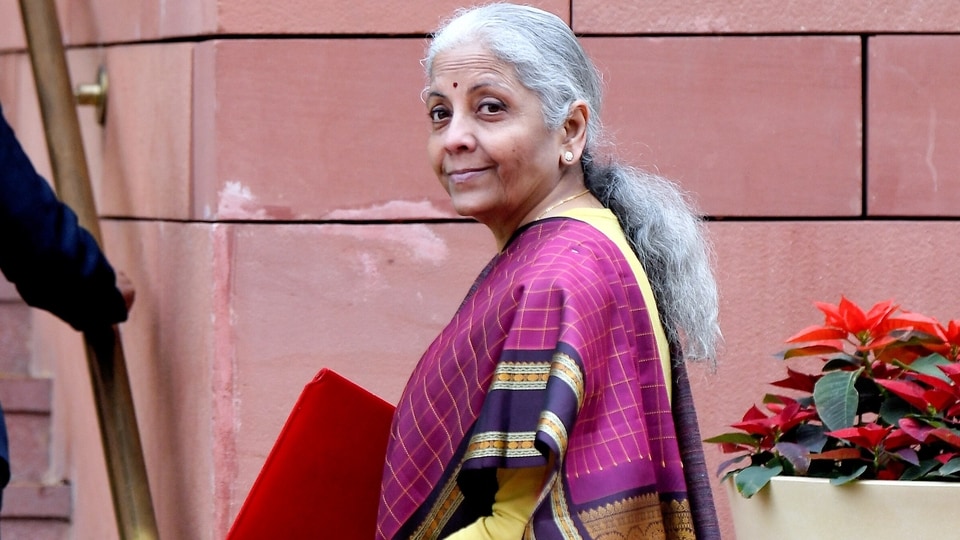
“Our government’s ‘sankalp’ (vow) is to focus on our poor, underprivileged and the disadvantaged. To deliver on this sankalp, and given that this is the first budget prepared in Kartavya Bhawan, we are inspired by three kartavya (responsibilities or duties),” she said.
“Our first kartavya is to accelerate and sustain economic growth, by enhancing productivity and competitiveness, and building resilience to volatile global dynamics.”
She added, "Our second kartavya is to fulfil aspirations of our people and build their capacity, making them strong partners in India’s path to prosperity."
The third kartavya, she said, is aligned with the vision of 'Sabka Sath, Sabka Vikas' – “to ensure that every family, community, region and sector has access to resources, amenities and opportunities for meaningful participation.”
She explained, “This threefold approach requires a supportive ecosystem. The first requirement is to sustain the momentum of structural reforms— continuous, adaptive, and forward-looking. Second, a robust and resilient financial sector is central to mobilising savings, allocating capital efficiently and managing risks. Third, cutting-edge technologies, including AI applications, can serve as force multipliers for better governance.”
Follow budget speech live here
In her ninth consecutive budget in the 12 years of Modi as PM of a BJP-led NDA regime, Sitharaman further said a "reform express" is on its way. "Our kartavya is to ensure every family, community, and sector has access to resources, amenities and opportunities," she said.
She specifically mentioned the government will ensure dividends of growth for “every farmer, Scheduled Caste, Scheduled Tribe, and youth”.
Various reforms, including GST, labour codes, and quality control order, have been rolled out since August 15, when PM Modi spoke of rationalising taxes in his Independence Day speech, she underlined.
Further on themes and catchphrases in Hindi, Sitharaman said India will continue to take progressive steps towards achieving ‘Viksit Bharat’ (developed India by 2047), highlighting the government’s focus on “long-term development, inclusive growth, and sustainable economic reforms”.
Sitharaman also said the Centre had focused on “reforms over rhetoric”, while adding that this had helped the government deliver a Gross Domestic Product (GDP) growth rate of 7.2% even amid geopolitical crises.
“India's economic trajectory marked by stability over 12 years. The stability has been displayed amid ongoing uncertainty,” the finance minister said.


