
 E-Paper



MQ-9B armed drones deal worth $3 billion to boost military strength
India has acquired 31 MQ-9B armed drones from the US in a $3bn government-to-government deal

 Prefer HTon Google


The acquisition of 31 MQ-9B next-generation armed drones from the US, in a government-to-government deal estimated to be worth $3 billion, will significantly boost the Indian military’s strength as the versatile remotely piloted aircraft system has the capability to strike targets with its on-board weapons, it can carry out intelligence, surveillance and reconnaissance; and its other roles include electronic warfare, defensive counter air and airborne early warning, officials aware of the matter said on Thursday.
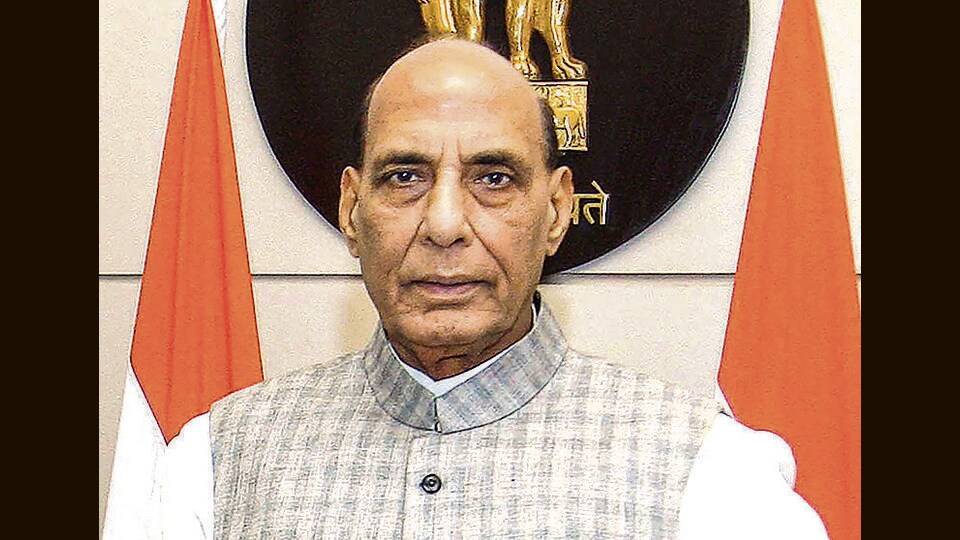
India’s defence acquisitions council (DAC), the country’s apex weapons procurement body, had on June 15 given the clearance for procuring the drones made by General Atomics, in the run-up to Prime Minister Narendra Modi’s first State visit to the US. Defence minister Rajnath Singh heads the DAC.
Read: PM Modi, Joe Biden to announce defence drones deal. Facts about MQ-9B Predator
India and the US have engaged in talks on the acquisition of the drones for about eight years.
The Indian Navy currently operates a pair of MQ-9B SeaGuardian unarmed drones leased from the US three years ago to boost its intelligence, surveillance and reconnaissance capabilities. The MQ-9Bs have helped the navy keep a close watch on the Indian Ocean at a time when it has stepped up surveillance in the region to check China’s ambitions.
These drones have also been used for intelligence collection along the country’s northern borders where India has been locked in a border row with China for more than three years, a tense period that has seen a significant military build-up on both sides of the contested Line of Actual Control.
The acquisition of the armed drones gained urgency after the military standoff with China in the Ladakh sector began in May 2020, increasing the Indian military’s need to enhance its vigil along the disputed border and stay prepared for any contingency.
Read: India will acquire MQ 9B drones from US in phased manner, weapons in phase II
The future of air combat is unmanned, and recent global conflicts, including the Russia-Ukraine war, have underlined the important role that armed drones can play, said Air Marshal Anil Chopra (retd), director general, Centre for Air Power Studies.
“The armed MQ-9B drones will multiply the operational capabilities of the three services. The US’s decision to export the sophisticated drones to India reflects the close military and strategic partnership between the two countries. Also, as much as India needs the US for sourcing latest technology, Washington needs New Delhi for its global strategic rebalancing, especially as a democratic counterweight to autocratic China,” Chopra added.
Fifteen drones will be for the navy, and eight each for the army and the Indian Air Force, the officials said.
The DAC’s acceptance of necessity, or AoN, is the first step in the formal procurement process, which will need to be cleared by the Cabinet Committee on Security (CCS) chaired by the Prime Minister. The two sides will also need to conclude negotiations on the final pricing of the drones.
Read: India to buy drones during Modi's US visit. 5 points about deadly MQ-9B Reapers
The US government approved the sale of the armed drones to India more than two years ago. Talks between the two sides on the deal proceeded in fits and starts and were reportedly affected by New Delhi’s focus on the Make in India initiative for developing and manufacturing defence hardware.
In early June, India and the US announced the conclusion of a new roadmap for future defence industrial cooperation with the goal of fast-tracking technology cooperation and co-production in critical areas such as air combat and land mobility systems; intelligence, surveillance, and reconnaissance; munitions, and the undersea domain, in a renewed push for deepening collaboration in the sector.
Removing roadblocks to industrial cooperation was also discussed during delegation-level talks between defence minister Rajnath Singh and his American counterpart Lloyd J Austin earlier this month.


