
 E-Paper



Aspire to create conditions where everyone sees value in investing in India: Modi
Modi cited unemployment data gathered by the Periodic Labour Force Survey, which he said points to “a consistent decline in unemployment rates”

 Prefer HTon Google


Prime Minister Narendra Modi has cited India’s progress from being identified in 2013 as one of the “Fragile Five”, or economies overly reliant on foreign investment to finance current account deficits, to the world’s fifth-largest economy and said they aspire to create conditions where everyone sees value in being in the country to invest and expand operations here.
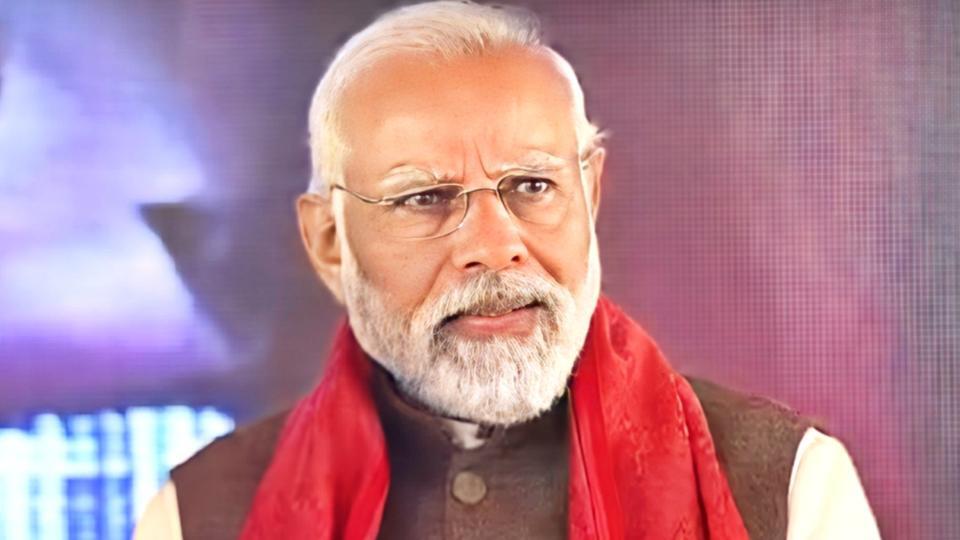
“We envision a system where anyone from around the world feels at home in India, where our processes and standards are familiar and welcoming,” he told the British business daily Financial Times (FT) in a rare interview. “That is the kind of inclusive, global-standard system we aspire to build.”
FT noted infrastructure building has taken off during Modi’s premiership. It added Modi’s office rattles off the numbers: a doubling of airports to 149 from 74 less than a decade ago; 905km of metro lines, from 248km a decade ago; 706 medical colleges, from 387 before he took office.
FT said despite a major infrastructure push and its status as the world’s fastest-growing big economy, India is not creating enough jobs, presenting a vulnerable point for the ruling Bharatiya Janata Party (BJP) as it enters a national campaign.
Modi cited unemployment data gathered by the Periodic Labour Force Survey, which he said points to “a consistent decline in unemployment rates”. “When evaluating different performance parameters like productivity and infrastructure expansion, it becomes evident that employment generation in India, a vast and youthful nation, has indeed accelerated,” Modi said.
FT said corruption, administrative hurdles, and the skills gap among youth are other obstacles to business about which companies, Indian and foreign, complain—and which some believe could prevent the country from replicating China’s manufacturing-led economic take-off.
Modi said it might be more apt to compare India with other democracies. “It’s important to recognise that India wouldn’t have achieved the status of the world’s fastest-growing economy if the issues you’ve highlighted were as pervasive as suggested,” he said. “Often, these concerns stem from perceptions, and altering perceptions sometimes takes time.”
FT said the idea of an economically emerging India is not a new one for the world’s largest developing nation but the narrative has taken hold powerfully lately also because tensions between Washington and Beijing have prompted a search by Western democracies for alternative trading and diplomatic partners. It added some economists have pointed out it will need to grow faster than its current 6-7% to achieve that.
Modi pointed to the presence of Indian-origin CEOs at top companies such as Google and Microsoft as counter-evidence of a skills gap.
FT said some analysts have pointed to the fact that so many skilled Indians go abroad as evidence that there are too few opportunities back home. “It’s not a matter of needing to bring them back,” Modi said when asked whether India should not be trying to lure them to return to the country of their birth. “Rather, our goal is to create such an environment in India that it naturally gets people to have a stake in India.”


