E-Paper



Assam to destroy nearly 2,500 rhino horns; to preserve few as exhibits
The horns, which were seized from poachers and traders of animal parts or recovered from dead rhinos in the state’s national parks and wildlife sanctuaries from 1979 till now, are stored in 12 district treasuries at present


The Assam cabinet on Thursday decided to destroy over 2,000 rhino horns which have been preserved in government treasuries across the state during the past four decades.
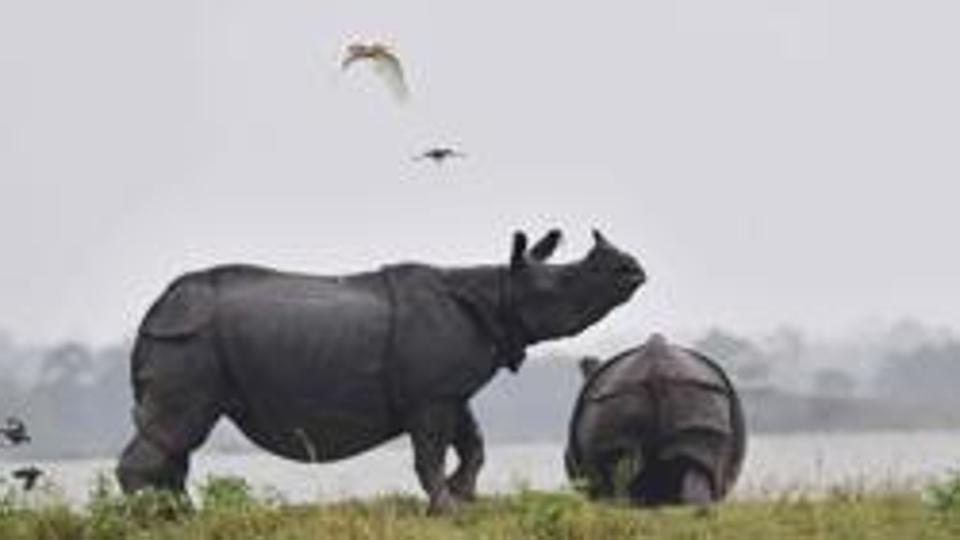
The horns, which were seized from poachers and traders of animal parts or recovered from dead rhinos in the state’s national parks and wildlife sanctuaries from 1979 till now, are stored in 12 district treasuries at present.
“At present, we have 2,623 such horns. Of these, 50 are associated with pending court cases (and can’t be destroyed). Of the rest, 94 others will be preserved for exhibition or educational purposes. The cabinet today decided that the remaining 2,479 horns will be destroyed,” forest and environment minister Parimal Suklabaidya said in Guwahati.
Also Read | Assam teen missing since Sunday found dead; family says she was gang-raped by 6
“In past weeks, experts have been verifying the horns using scientific methods. Ninety-four horns will be kept at a natural history museum to be set up near Kaziranga National Park, the cabinet decided. The museum will also have other wildlife exhibits from Assam,” he said.
HT had reported last month that the forest and environment department is planning to destroy nearly 2,500 rhino horns. Though no date for destroying the horns have been announced yet, a formal event is expected on September 22, which is celebrated as World Rhino Day.
Though there is no scientific basis, rhino horns are part of traditional medicine in some Asian countries such as China and Vietnam. Each horn, which is made up keratin (found in hair, nails), is valued over thousands of US dollars, leading to rampant killing of rhinos in Asia and Africa.
Assam is home to the world’s largest population of one-horned rhinos. According to a 2018 census, there are nearly 2,650 rhinos in the state with around 2,400 of them concentrated in Kaziranga National Park.
Rhinos are listed in Schedule 1 of Wildlife (Protection) Act, 1972 as an endangered animal and there is an international ban on trade of rhino horns under CITES (Convention on International Trade in Endangered Species of Wild Flora and Fauna).
Wildlife experts have welcomed the government’s move to destroy the horns as they believe preserving them might send the message that they are indeed very valuable, which in turn could lead to more poaching of rhinos.
“Scientifically, rhino horns don’t have any value, but it has a price in some markets based on superstitions about its medicinal properties. If we preserve them, it will convey the message that we believe in such superstitions. The horns stored in Assam should be destroyed,” Rathin Barman, joint director, Wildlife Trust of India (WTI) said.