E-Paper



Banke Bihari temple case: SC slams UP for ‘hijacking’ litigation
Senior advocate Kapil Sibal, appearing for petitioner Devendra Nath Goswami, submitted that “a fund of ₹300 crore has been given to the Uttar Pradesh government without making us the party”.

 Prefer HTon Google


The Supreme Court on Tuesday criticised the Uttar Pradesh government for “hijacking” a legal dispute between two private parties to push through its redevelopment plan for the Banke Bihari corridor project in Vrindavan and Mathura.
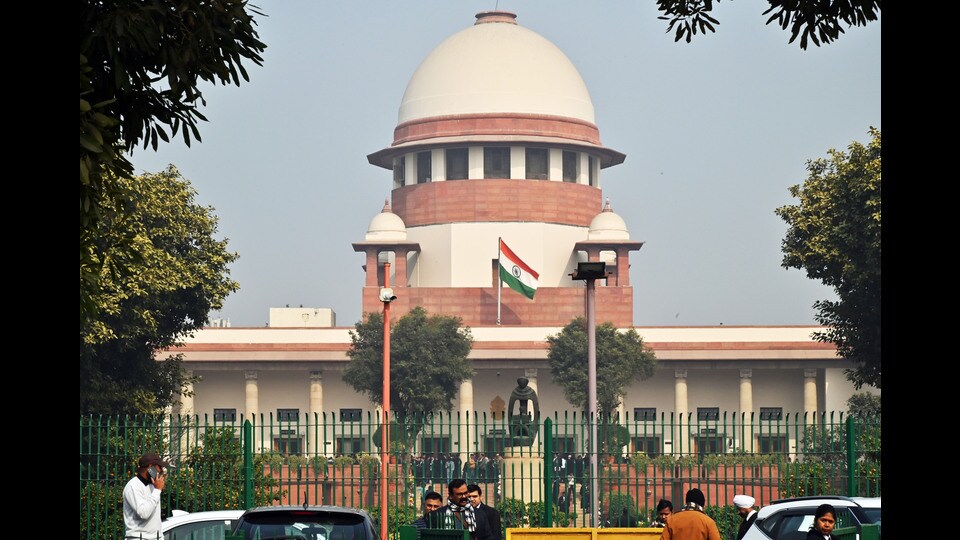
A bench of Justices BV Nagarathna and Satish Chandra Sharma, hearing a plea seeking the modification of its order approving the Uttar Pradesh government’s proposed redevelopment scheme for the Shri Banke Bihari temple, asked, “Was the State a party to the proceedings? In what capacity has it entered the dispute? If states start interfering in private disputes, there will be a complete breakdown of the rule of law. You can not hijack the litigation,” the court said.
Senior advocate Kapil Sibal, appearing for petitioner Devendra Nath Goswami, submitted that “a fund of ₹300 crore has been given to the Uttar Pradesh government without making us the party”.
The counsel appearing for the UP government informed the apex court that the state has formed a trust to manage the famous Banke Bihari temple and oversee work on the proposed corridor. Entire money would vest with the trust not with the government, he said.
The SC directed the counsel for the state to give a copy of the ordinance passed with regard to the trust to the petitioner and directed the concerned principal secretary to file an affidavit by July 29.
On May 15, the top court paved the way for the state government’s scheme to develop the temple corridor for the benefit of scores of devotees.
The State government had proposed a ₹500-crore plan to ease congestion and improve infrastructure at the temple following a stampede at the Banke Bihari temple in Vrindavan in 2022.
In its May 15 order had modified a previous order of the Allahabad high court passed in a PIL and allowed the UP government to use temple funds to purchase five acres of land for the project on the condition that the land would be registered in the name of the temple deity or its managing trust.
Gsowami, however, argued that the order was passed without hearing key stakeholders and the State had secured the order by filing an intervention application in a special leave petition that had nothing to do with the issue.
The UP government’s intervention was improper and legally unsound, Sibal argued.