
 E-Paper



Bengal floods increase human-animal conflict
The floods in north Bengal in the first week of October took a heavy toll on the region’s wildlife, killing a leopard, a rhino, bison, and sambar deer

 Prefer HTon Google


The floods in north Bengal in the first week of October have increased the human-animal conflict with at least five persons being killed in the last three weeks.
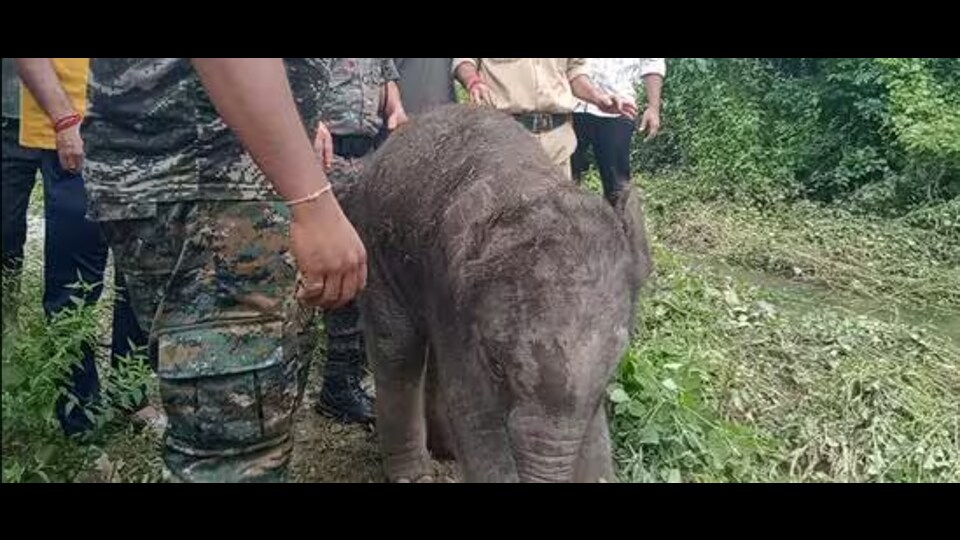
While an elephant killed three persons at Madarihat in Alipurduar on Wednesday, in Mathabhanga in Cooch Behar, a wild boar killed two people days after the flood.
The elephant first killed a 43-year-old man as he was returning home on his motorcycle. Around five hours later, the elephant attacked a family, killing a woman and her two-year-old child, around seven km away.
“The elephant is an adult male that is on musth. We have identified it and its movement is being tracked,” said an official.
Chief conservator of forest (wildlife) JV Bhaskar said the floods definitely increased the human-animal conflict. “Several animals have come out of the forests...cases of [wild animals] straying into villages located in the forest fringes have shot up. The deaths of five people have been reported so far. Animals were also killed in the floods.”
The first official said five rhinos were rescued, and as many were pushed back into the forest. “At least six gaurs [Indian bisons] also strayed into villages in Alipurduar and Jaldapara. The wild boar, which killed two people, was swept down the River Torsa for around 30 km. Elephants are straying out of the villages almost daily.”
The floods left 32 people and thousands of people homeless. It took a heavy toll on the region’s wildlife, killing a leopard, a rhino, bison, and sambar deer. The water brought down from Bhutan by transboundary rivers such as Jaldhaka, Dyna and Torsa aggravated the situation.
Alipurduar and Jalpaiguri have national parks and wildlife sanctuaries, including Gorumara, Chapramari, Jaldapara, and Buxa, with elephants, rhinos, leopards, and other herbivores such as sambar deer and bison. Tigers have also been spotted in Buxa Tiger Reserve. The flood waters have receded, but grasslands in the forest areas have been covered by a thick layer of silt.
A third official said elephant herds depend on these grasslands for fodder. “Now that these grasslands are covered with silt, the herds are straying out. It would take the monsoon rains to clear the silt and restore the grasslands.”
Forest officials said that the herbivores, particularly the elephants, are migratory and could soon shift towards the Buxa in a month or two in search of fodder.
Bhaskar said they have increased patrolling, particularly at night. “Elephant herds are being tracked. At least 20-25 quick response teams, each comprising six forest personnel, are on the ground to respond to calls from villagers.”


