Most Indians get a staggering 62% of their calories from carbohydrates, one of the highest in the world, said a new study released Tuesday. And much of this comes from low-quality sources like white rice, milled whole grains, and added sugar. In contrast, Indians get only 12% of their calories from protein.
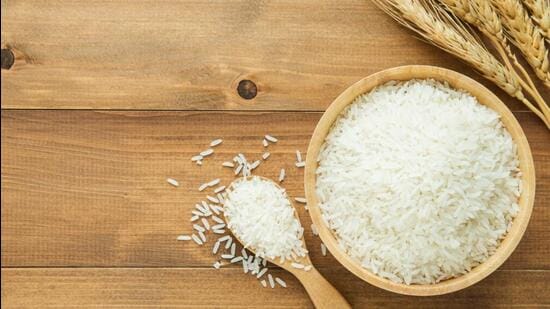
India’s rapidly changing eating habits are powering a dramatic rise in diabetes and obesity, according to the Indian Council of Medical Research-India Diabetes (ICMR-INDIAB) study published in the journal Nature Medicine. The study claims that just replacing just 5% of the calories from carbohydrates with that from plant and dairy protein could significantly reduce the risk.
To be sure, there is a huge diversity in intake of nutrients across the state according to the study.
White rice dominates diets in the southern, eastern and northeastern parts of the country while wheat is more common in the northern and central parts. Millets as a staple are consumed in only three states: Karnataka, Gujarat, and Maharashtra with major types including finger millet (ragi), sorghum (jowar) and pearl millet (bajra).
“Using data from the national Indian Council of Medical Research–India Diabetes survey…., we examined India’s dietary profile and the effect of isocaloric substitution of carbohydrates with other macronutrients on metabolic risk. Indian diets are characterized by high intakes of low-quality carbohydrates (white rice, milled whole grains and added sugar), high levels of saturated fat and low intakes of protein,” said the authors.
{{/usCountry}}“Using data from the national Indian Council of Medical Research–India Diabetes survey…., we examined India’s dietary profile and the effect of isocaloric substitution of carbohydrates with other macronutrients on metabolic risk. Indian diets are characterized by high intakes of low-quality carbohydrates (white rice, milled whole grains and added sugar), high levels of saturated fat and low intakes of protein,” said the authors.
{{/usCountry}}High sugar intake is concerning: 21 states and union territories exceeded the national recommendations of less than 5% added sugar intake, it added.
As for the fat intake, while average total fat intake stayed within national guidelines (≤30% of energy), saturated fat intake exceeded the recommended threshold for metabolic health (<7% of energy) in all but four states (Jharkhand, Chhattisgarh, Arunachal Pradesh, and Manipur).
Consumption of monounsaturated and omega-3 polyunsaturated fats remain low across regions
The overall protein intake in India is suboptimal, averaging 12% of daily calories with the highest intake (14%) in the Northeast . Most protein in Indian diets comes from plant-based foods such as cereals, pulses and legumes (9%). Intake of dairy and animal protein varied widely but remained low nationwide (2% and 1% respectively).
High carbohydrate calories and its major food sources (white rice, milled whole grains and added sugar) were associated with increased metabolic risk (diabetes, pre-diabetes and obesity).
According to the authors, a simple diet tweak may help cut the metabolic risk. “Modelled substitution analysis found that replacing just 5% of daily calories from carbohydrates with plant or dairy proteins significantly lowers risk of developing diabetes and pre-diabetes. Importantly, replacing carbs with red meat protein or fats, did not have the same protective effect,” added the researchers in the paper.
Dr RM Anjana, lead author and president, Madras Diabetes Research Foundation, emphasized, “Our findings clearly show that typical Indian diets, heavy in carbohydrates from white rice or whole wheat flour, and low in quality protein are putting millions at risk. Simply switching from white rice to whole wheat or millets is not enough unless total carbohydrate intake decreases and more calories come from plant or dairy proteins.”
The ICMR INDIAB study is the largest epidemiological study done on diabetes and other metabolic NCDs like obesity and hypertension in India. The study included a representative sample of every state and union territory in India and provided the first national data on the prevalence of diabetes, prediabetes, obesity, hypertension and dyslipidemia in the whole country.
As part of the ICMR INDIAB study, a detailed dietary survey was done in every state of the country and this data was linked to the occurrence of various NCDs including diabetes, hypertension, obesity and dyslipidemia in India. The median age of participants was 40 years and of the nearly one lakh participants, 49% were male.
The study was funded by the Indian Council of Medical Research (ICMR) and the Department of Health Research, government of India. The Madras Diabetes Research Foundation was the national coordinator for the study.
“These nationwide findings should inspire policy reforms, especially regarding food subsidies and public health messaging to help Indians shift towards diets richer in plant-based and dairy proteins, and lower in carbohydrates and saturated fats,” said Dr V Mohan, senior author of the paper and chairman, Madras Diabetes Research Foundation.