
 E-Paper



Caste based organizations drum up support for reservation-related demands
Appaji Gowda, a former president of the Rajya Vokkaligara Sangha and contender for the top job this year, said that it was imperative to get these demands fulfilled.

 Prefer HTon Google


Influential members of the Vokkaliga community are assuring to fulfil reservation-related demands and to out pressure on the state government for releasing the findings of the caste census as part of their manifestos for the upcoming elections to the Rajya Vokkaligara Sangha.
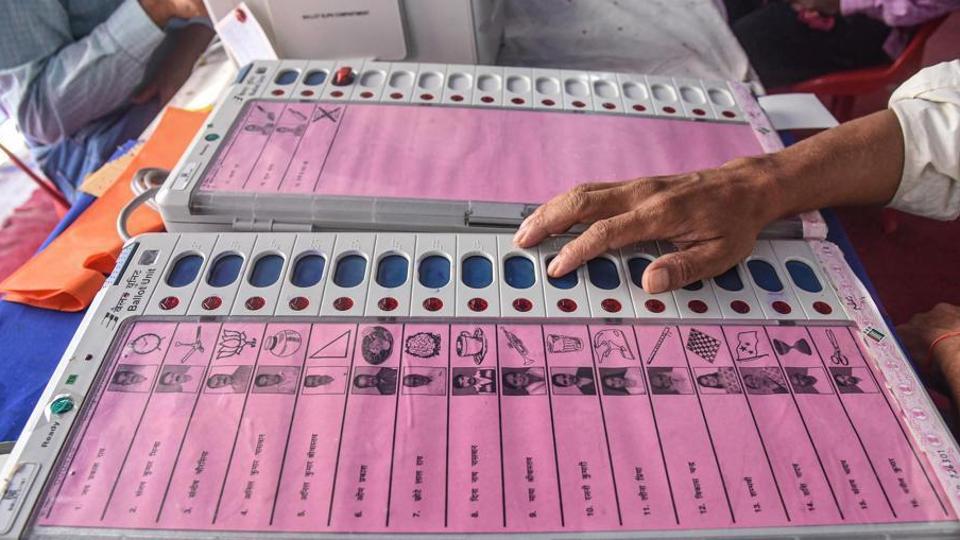
The polls to the association, founded in 1906, will be held on December 12 and has seen several leaders make reservations as its main poll plank to secure power in one of the more influential caste-based organisations in the state.
Appaji Gowda, a former president of the association and contender for the top job this year, said that it was imperative to get these demands fulfilled.
“I had proposed this (reservation change) thrice when I was president in the executive committee meetings,” Gowda told Hindustan Times on Tuesday.
The association has 650,000 primary members in 11 districts of the state and 192,000 members in Bengaluru alone, Gowda added.
“The caste census was not done properly. Our demand is that the caste census itself is wrong as it would divide the people. Instead a survey should be done to identify the poor in every community and give them help,” he said.
Several prominent members of the Vokkaligas and Lingayats, believed to be the two largest caste groups in Karnataka, have opposed any move to release the findings of the socio-economic and educational survey, carried out by the Siddaramaiah-led Congress government in 2015.
Both Vokkaligas and Lingayats are wary of any change to their dominant position in the state if the findings of the caste census do bring their exact population numbers down.
Leaked findings of the caste census bring down the percentage of Vokkaligas from earlier believed 14-15% to around 8-9% and the Lingayats from around 16-17% to around 10%. Successive governments have refused to authenticate the numbers of the leaked findings.
Members of the marginalized groups and extremely backward caste groups have approached the courts to release the findings of a survey for which the government spent ₹160 crore.
The Panchamasali, the largest sub-sect within the Lingayats, have intensified their demands to be included in the 2A category of the state reservation list and have given the Basavaraj Bommai-led BJP government till the end of January to accede.
Already nursing a feeling of betrayal after being overlooked for the post of chief minister to replace BS Yediyurappa, the sub-sect and its influential seers are reported to have some part to play in the BJP loss at Hanagal bypolls on October 30.
Caste plays a huge role in Karnataka’s volatile political and social landscape.
The BJP is believed to have the backing of the Lingayats which has forced them to replace Yediyurappa with Bommai who are both from the same community but different sub-sects, analysts said.
“Any community will back those who are more likely to come to power,” said a senior BJP leader, requesting not to be named.
The Janata Dal (Secular) is backed by the Vokkaligas, found in large numbers in southern Karnataka in state elections, but they support the BJP at the Centre.
The Congress has depended on votes of the minorities, backward classes and Dalits among others.
The Bommai government has asked for a report from the Backward Classes Commission before taking a decision on the reservation.
Vokkaligas, Valmikis, Kurubas and several other dominant communities have piled pressure on the government for better reservation opportunities.
The government is wary of the impact it may have on the upcoming zilla and taluk panchayat elections as well as the 2023 assembly elections.
The Vokkaligara Sangha elections and their demands are also expected to have significant influence on the yet-to-be announced elections to the Bengaluru city corporation.
Gowda said that the community accounts for around 4 million of the over 10.2 million population of India’s IT capital that would get some attention of the ruling and opposition parties in the state looking to gain control of one of India’s richest and biggest city corporations.


