
 E-Paper



Centre approves 3 railway projects: 300 km of new tracks, 14 stations
Covering seven districts across four states – Odisha, Jharkhand, West Bengal, Chhattisgarh – the project will expand Indian Railways network by about 300 km.

 Prefer HTon Google


The Cabinet Committee on Economic Affairs (CCEA) chaired by Prime Minister Narendra Modi on Wednesday approved three projects under the ministry of railways. These projects, with a total estimated cost of ₹6,456 crore, will cover four states – Odisha, Jharkhand, West Bengal, and Chhattisgarh.
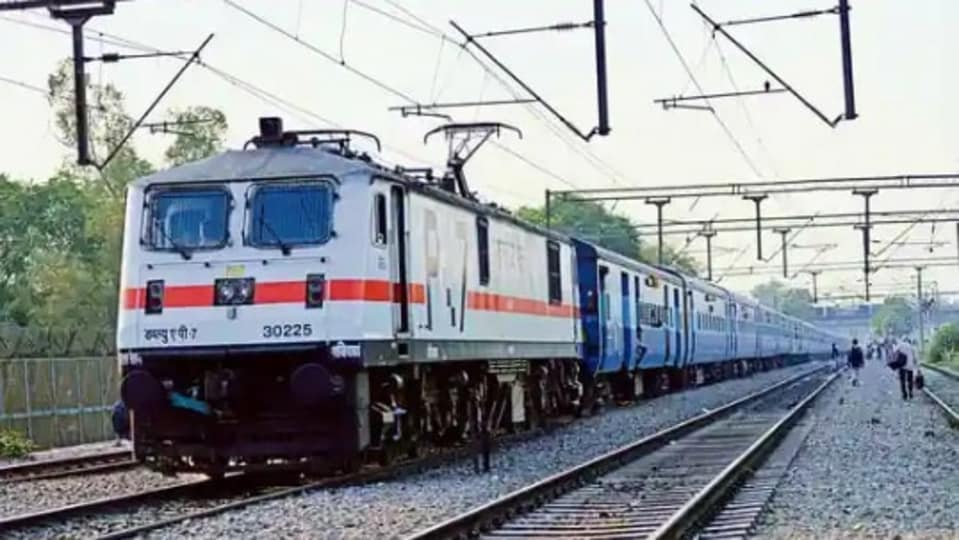
The approved projects include two new railway lines and one multi-tracking initiative. Covering seven districts across these states, the projects will expand the Indian Railways network by approximately 300 km.
“The new line proposals will provide direct connectivity and improve mobility, providing enhanced efficiency and service reliability for the Indian Railways. The multi-tracking proposal will ease operations and reduce congestion, providing the much-required infrastructural development on the busiest sections across the Indian Railways,” the ministry said.
“The railway is the most environmentally friendly and energy-efficient mode of transportation and will help achieve climate goals, minimize logistics costs, and lower CO2 emissions,” Union railway minister Ashwini Vaishnaw said on Wednesday while announcing the new projects.
Here are the three new railway projects approved
| S.No | Name of the project | States (Districts) | Route (Km) | Cost ( ₹cr) |
| 1. | Jamshedpur-Purulia-Asansol (Chandil-Anara-Damodar) 3rd Line | Jharkhand (East Singhbuhum) West Benagl (Purulia & Bardhaman) | 121 | 2,170 |
| 2. | Sardega - Bhalmuda New Double Line | Odisha (Sundargarh) Chhattisgarh (Raigarh) | 31 | 1,360 |
| 3. | Bargarh Road-Nawapara Road New Line | Odisha (Bargarh, Nuapada) | 138 | 2,926 |
| Total | 296 | 6,456 | ||
More details on the project
- The three railway projects, approved by the CCEA and costing ₹6,456 crore, are part of the PM-Gati Shakti National Master Plan, aimed at enhancing multi-modal connectivity through integrated planning, according to a government release.
- The projects include two new railway lines and one multi-tracking initiative that will cover seven districts across Odisha, Jharkhand, West Bengal, and Chhattisgarh, expanding the Indian Railways network by approximately 300 km.
- The multi-tracking proposal is expected to ease operations, reduce congestion, and improve infrastructure on some of the busiest sections of Indian Railways.
- Fourteen new stations will be constructed as part of these projects, improving connectivity to two aspirational districts: Nuapada and East Singhbhum.
- The new railway lines will connect around 1,300 villages and serve a population of about 11 lakh (1.1 million).
- The projects will also benefit freight traffic by providing crucial routes for transporting commodities like agricultural products, fertilizers, coal, iron ore, steel, cement, and limestone.
- Capacity augmentation from these projects is projected to add 45 million tonnes per annum (MTPA) in freight traffic, the government said.


