E-Paper



COVAX supply likely to resume this month
India halted the export of vaccines against Covid-19 in April this year after a severe second wave hit the country that impacted the COVAX facility, a global risk-sharing mechanism for pooled procurement and equitable distribution of anti Covid-19 vaccines.

 Prefer HTon Google


India is likely to resume Covid-19 vaccine supplies to the COVAX facility this month, according to people familiar with the development.
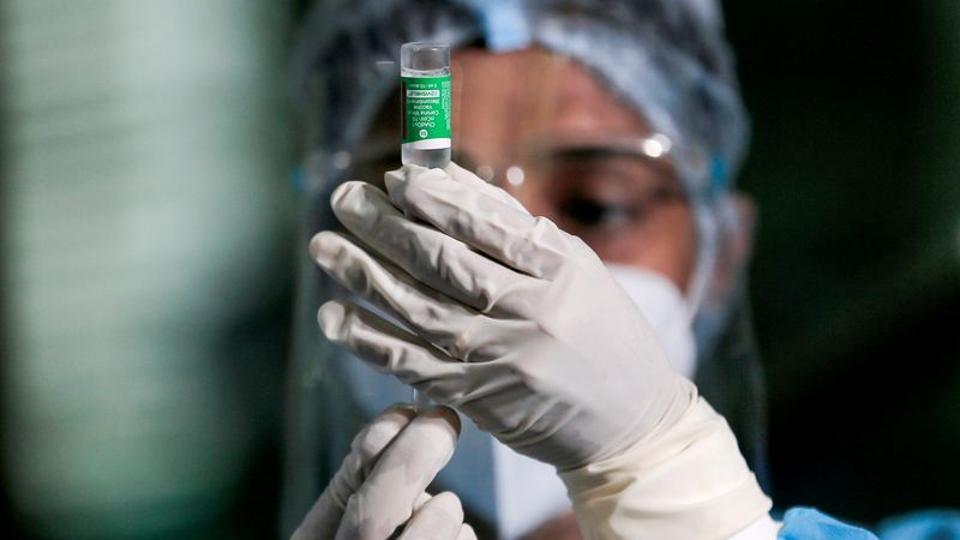
India halted the export of vaccines against Covid-19 in April this year after a severe second wave hit the country that impacted the COVAX facility, a global risk-sharing mechanism for pooled procurement and equitable distribution of anti-Covid-19 vaccines.
India’s requirement for vaccine doses increased as it decided to open up the vaccination drive for everyone 45 years of age and above from April 1, irrespective of the comorbidities. The move was aimed at curbing the transmission cycle as India is likely experiencing the second wave of the Covid-19 outbreak.
“Since supplies constraint is no longer there, there will be enough surplus doses that could be shipped out to help other countries in need,” said a central government official aware of the development, on condition of anonymity.
India has begun getting close to 300 million vaccine doses in a month; last month, the two companies that contributed towards the national immunisation programme, together provided 280 million doses. The supplies are going to increase further with the manufacturers ramping up production.
A senior government functionary, last month, also said, “Since we are producing in excess now, the remaining surplus doses will be exported most likely from next month. About 4 million doses have already been given to some countries.”
Indian has given the first dose to nearly 78% of the eligible population, and around 38% are fully vaccinated.
In October, India provided one million Covid-19 vaccine doses to four countries: Iran, Nepal, Bangladesh, and Myanmar.
COVAX facility has two categories – one is self-financing countries, and the other is those needing support. There are a total of 190 countries, of which 92 low and middle-income countries will be financed by the rich countries.
For India, there has been a more tailored arrangement because of the huge numbers involved owing to India’s large population. With India, the arrangement included 20% of Gavi’s total support that comes to about 200 million vaccine doses and monetary support for technical assistance.
Arrangement with India is also different because the country contributes to the COVAX facility as their vaccine manufacturing base is solid and appropriate for use in lower and middle-income countries. It suits the settings of these countries in terms of cold chain management, training of workers etc., and India provides products that are cost-effective, easy to use and easy to administer.
Despite the impact, the COVAX facility is still likely to manage about 1.4 billion of the 2 billion expected doses by 2021.
According to Gavi Deputy CEO Anuradha Gupta, COVAX has managed to deliver nearly 400 million doses across the world so far.
“…lack of timely supply from SII has severely impacted the ability of COVAX to rapidly deliver doses to lower-income countries. We are looking forward to the resumption of supplies from SII..,” said Gupta in an interview with HT on October 29.