On the occasion of Eid al-Adha on Thursday , a prominent festival in Islam, the Lucknow Eidgah Imam scholar Khalid Rasheed Firangi Mahali in Uttar Pradesh urged the Muslim community to observe their prayers in Eidgah and mosques, while avoiding public spaces. This appeal aims to prevent any inconvenience to the general public during this festive period.
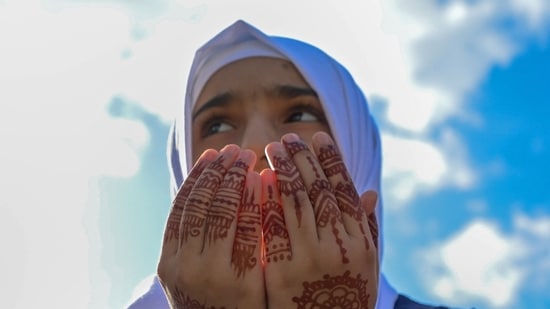
“I greet everyone on the festive occasion of Eid al-Adha…I would like to reiterate that people should try to follow the advisory issued by the Islamic Centre for observing the festival related rituals…kindly offer Namaz only in Eidgah and mosques and not on the roads or streets….do not conduct any sacrificial rituals in public places but only in private properties or designated madrasas…and do not throw any waste generated thereon, at public places…,” Maulana Khalid Rasheed said.
Also Read: Eid-ul-Adha 2023: Bakra Eid Mubarak wishes, images, messages, greetings to share with loved ones on Facebook, WhatsApp
He also asked the people to cherish the festival with joy and happiness while following the advisory and appealed to them to not forget to feed the poor. “...kindly donate a portion of the Qurbani among the poor and needy and after concluding the Namaz, pray for the progress of the nation, its security and development..,” he said, adding that like every year, people should only sacrifice those animals which are not legally prohibited under any laws.
{{/usCountry}}He also asked the people to cherish the festival with joy and happiness while following the advisory and appealed to them to not forget to feed the poor. “...kindly donate a portion of the Qurbani among the poor and needy and after concluding the Namaz, pray for the progress of the nation, its security and development..,” he said, adding that like every year, people should only sacrifice those animals which are not legally prohibited under any laws.
{{/usCountry}}Eid Al-Adha or Bakra Eid is a holy festival in Islam, which is also called the 'festival of sacrifice'. It is celebrated on the 10th day of Dhu al-Hijjah, the 12th month of the Islamic or lunar calendar and marks the end of the annual Hajj pilgrimage.
The date of the festival changes every year as the Islamic lunar calendar is about 11 days shorter than the 365-day Gregorian calendar. Offering charity to the underprivileged is also considered an important part of the festival.