
 E-Paper



Energy concerns ease in major relief for India as Iran opens Strait of Hormuz
The decision will allow some 15 Indian-flagged and owned merchant vessels currently to the west of the strait to transit the waterway.

 Prefer HTon Google


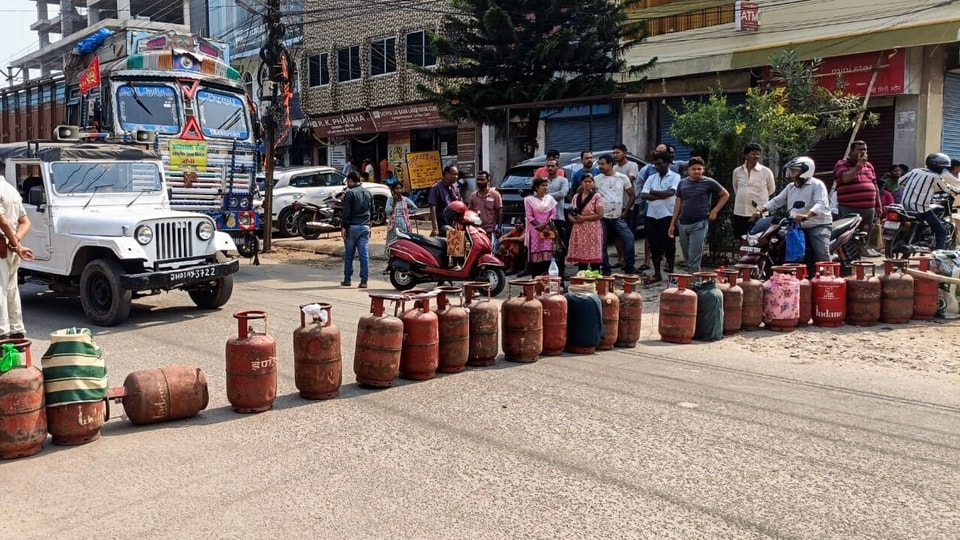
Iran’s decision on Friday to reopen the Strait of Hormuz is a welcome development for India, which depends on the waterway for almost 50% of its oil imports, especially after the widespread disruptions in energy supplies because of the West Asia conflict. Follow latest news on Iran-US war
The decision, which Iranian foreign minister Seyed Abbas Araghchi will be valid for the remaining period of the Iran-US ceasefire, will allow some 15 Indian-flagged and owned merchant vessels currently to the west of the strait to transit the waterway and return to the country.
Also read: No complaints on POSH or ethics channels, says TCS in Nashik case; SIT probe continues
There was no immediate response from Indian officials to the Iranian move, believed to be part of a package being worked out between Tehran and Washington as part of efforts to end the 50-day conflict that began on February 28. India’s leadership, during recent interactions with leaders of the US, Iran and West Asian countries, emphasised the importance of reopening the strait to ensure unimpeded and safe trade and transit of merchant shipping.
Iran’s decision also led to a sharp drop in the price of crude oil, a welcome development for India which watched with concern as Brent crude rose from about $70 a barrel before the conflict to $119 in late March. After Araghchi’s announcement, the price of Brent crude fell below $90 a barrel.
US President Donald Trump said on social media that the Strait of Hormuz was fully open for passage though the US blockade of Iranian ports will remain in place until a final deal is concluded with Iran. However, Iranian officials have said transiting vessels will have to pay a toll. India has insisted in recent days that there have been no discussions with the Iranian side on paying a fee.
While India has positioned warships in the Gulf of Oman to escort merchant vessels transiting the strait, it has given no indication of committing assets for any possible multilateral force to secure the region.
The Indian government has focused in recent days on shoring up energy supplies from West Asia, despatching external affairs minister S Jaishankar and petroleum minister Hardeep Puri to the United Arab Emirates and Qatar, respectively, to ensure uninterrupted supply of oil and gas. People familiar with the matter said these efforts are expected to continue even after the reopening of the Strait of Hormuz, especially to assess the implications of damage caused to energy infrastructure in the region and to ensure that the enforcement of force majeure clauses by energy suppliers doesn’t impact India.



