E-Paper



From Jan 1, negative Covid reports must for flyers arriving from 6 countries
People flying into India from China, Hong Kong, Japan, South Korea, Singapore and Thailand will be required to provide negative Covid test report from January 1, Union health minister Mansukh Mandaviya said on Thursday.

 Prefer HTon Google


People flying into India from China, Hong Kong, Japan, South Korea, Singapore and Thailand will be required to provide negative Covid test report from January 1, Union health minister Mansukh Mandaviya announced on Thursday, increasing scrutiny on air travellers at a time of a surge in infections in other countries.
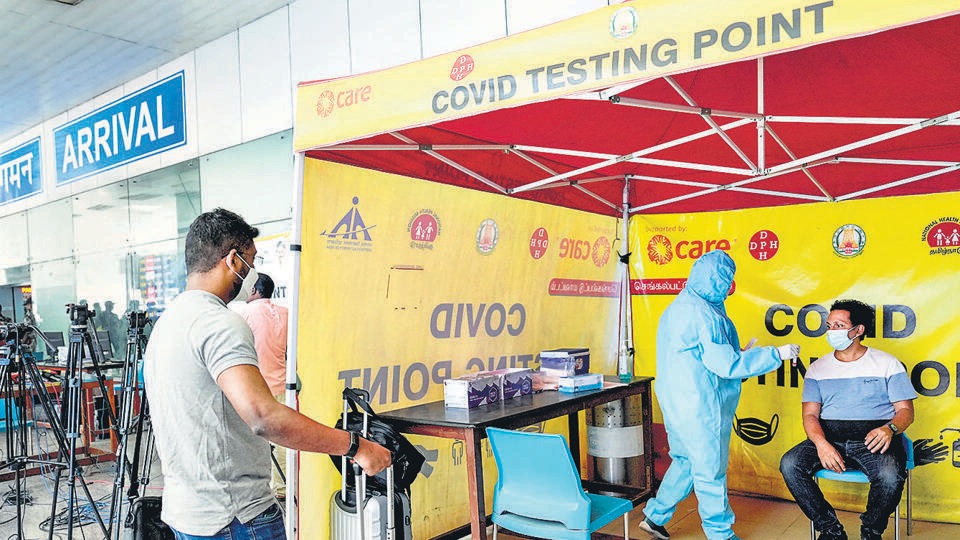
Several countries took similar steps this week, especially in increasing scrutiny on people coming from China over fears that the country may not be monitoring Sars-CoV-2 variants adequately, although the situation in most parts of the world – especially India – is stable and presents no cause for worry.
In a tweet, Mandaviya said passengers arriving from the above six regions will be required to upload negative Covid reports on the Air Suvidha portal prior to their departure.
ALSO READ: India may see Covid surge in January, next 40 days crucial: Report
The tests will need to have been taken no more than 72 hours prior to departure, he was quoted as saying in a detailed release issued by the government later.
This requirement is in addition to the random 2% samples being collected from each flight for RT-PCR testing of international passengers arriving in the country, irrespective of their origin city, he added.
“This is an absolutely precautionary measure and Covid situation in India, as such, does not warrant for people to panic,” Mandaviya reiterated.
India dropped mandatory testing for international arrivals on February 14 after a sustained drop in cases at the time, and on November 21, it did away with the mandatory Covid-19 or vaccine status declaration via the Air Suvidha portal, which people heading to India would need to visit prior to their departure.
During the winter session of Parliament on December 22, Mandaviya said India has begun randomly testing 2% of international travellers coming to the country for Covid-19 and could consider making it mandatory for all if required.
A senior health ministry official also expressed caution. “The pandemic is not over yet and people should still be taking precautions, especially adhering to Covid-appropriate behaviour,” the official said on condition of anonymity.
In the week till December 28, India recorded fewer than 200 new cases every day on average. The overall number of active cases was 3,552, according to the health ministry.
Mandaviya, last week, said states need to focus on ensuring effective awareness within communities.
He also held a meeting with state ministers to discuss the situation and, earlier this week, states carried out a drill to test process and resource preparedness.
Experts agree that there is no reason to panic now even though cases have been on the rise globally.
“It should concern us if there is an increase in hospitalisations due to Covid but we have hardly seen any hospital admissions in the past few months. Having said that, one does need to be cautious as the pandemic is still not over,” said Dr Rommel Tickoo, director, internal medicine department, Max Healthcare.