
 E-Paper



‘Governor not satisfied with Chhattisgarh govt response on 2 quota bills’
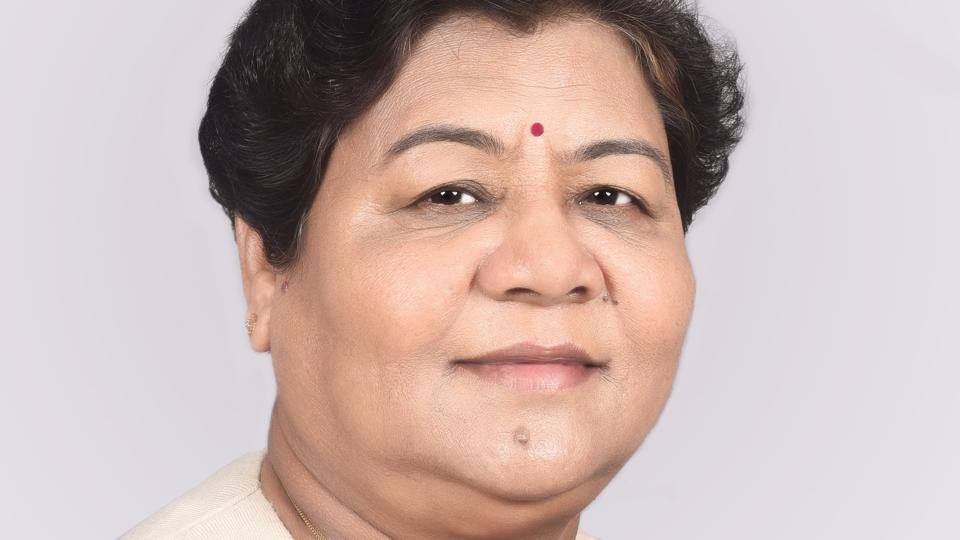
The Congress will organise street protests in Chhattisgarh from next week against governor Anusuiya Uikey’s move to hold back her assent to the two reservation bills passed by the assembly on December 3

 Prefer HTon Google


RAIPUR: The Chhattisgarh Congress will hold street protests across the state next week to put pressure on governor Anusuiya Uikey to approve two bills cleared by the assembly to increase reservations for the Other Backward Classes (OBC) and Scheduled Caste in jobs and educational institutions.
Chhattisgarh is going to polls in December 2023.
“We have chalked out a plan to go to the people of the state with this issue and to make people aware that BJP with the help of the governor is blocking the government’s efforts to implement the two bills,” said a senior Congress leader, adding that the party has worked out a plan for protests at the booth level so that the message gets across.
The move to hit the streets, also indicated by chief minister Bhupesh Baghel on Monday, is a response to Raj Bhavan’s reluctance to sign off on the two bills.
A Raj Bhavan official on Wednesday said the governor was not satisfied with the state government’s response to her queries on the two legislations cleared by the assembly.
On December 12, the governor told reporters that she sought details from the government to understand how the hike in reservations to 76% can be defended if the two bills are challenged in court. The governor added that she will sign off on the bills only after she is satisfied with the response.
The state assembly on December 3 passed the Chhattisgarh Public Service (Scheduled Caste, Scheduled Tribes and Other Backward Classes Reservation) Amendment Bill and Chhattisgarh Educational Institutions (Reservation in Admission) Amendment Bill for proportional quotas.
The bills seek to increase the reservation for Other Backward Classes to 27% from 14% and to 13% from 12% for the Scheduled Caste community. The 32% reservation for the Scheduled Tribe (ST) category has been kept unchanged. Besides, a provision of 4 per cent reservation was also provided to the Economic Weaker Section (EWS).
On Tuesday, a faction of Sarv Adivasi Samaj also protested over the bill in Raipur. “We tried to submit a memorandum citing the delay but the governor didn’t meet us. The Sarv Adivasi Samaj will protest across the state against the delay soon,” said Kundan Singh Thakur, an office-bearer of the outfit’s youth wing.
Congress leader RP Singh said it was wrong to hold up the bill which had the support of all 90 members of the assembly.
Bharatiya Janata Party leader Ajay Chandrakar said the party wanted two amendments to be made to the bills and had concerns similar to those expressed by the governor but the state government hurriedly passed the bills.
In September this year, the Chhattisgarh high court set aside the Raman Singh-headed state government’s 2012 order to raise the quota to 58% in government jobs and admissions to educational institutions, observing that reservation exceeding the 50 per cent ceiling was unconstitutional.
-kW0H-U20214218012MgB-250x250%40HT-Web.jpg)


