E-Paper



Government issues draft regulation to ban junk food near schools
The draft also prohibits sponsorship from brands selling food and beverages with low nutritional value such as carbonated drinks, chips, pre-cooked packaged noodles, fries etc at sporting, school and other events for children.

 Prefer HTon Google


The Centre has notified in a gazette a draft regulation against the sale, distribution and advertisement of junk food within 50 metres of a school campus, including in the school canteen and hostel kitchen.
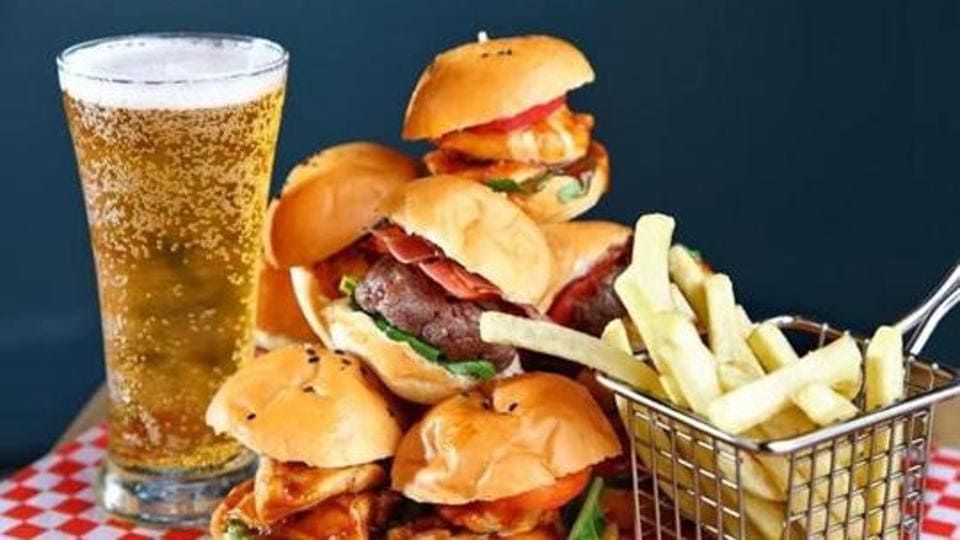
“The draft was in the works for sometime but this is the first time that it has been formally notified. The challenge lies in defining junk as it is a very loose term. What we are looking at is prohibiting ready-to-eat packaged food that’s high in fat, salt, and sugar in and around schools,” said Pawan Agarwal, CEO, Food Safety and Standards Authority of India (FSSAI) that notified the draft regulations.
It also prohibits sponsorship from brands selling food and beverages with low nutritional value such as carbonated drinks, chips, pre-cooked packaged noodles, fries etc at sporting, school and other events for children.
Experts feel if junk food is unavailable in schools, it will help in cutting down its intake among children.
“I have worked with schools and seen how eating habits of children improve for better if junk food isn’t available in the kitchen. A plate of rajma-chawal is any day better than a burger or noodles. About one-thirds of a child’s nutritional requirement is met in school, so what a child eats in school plays an important role in their healthy growth,” says Ritika Samaddar, regional head, dietetics, Max Healthcare.
The state food authorities will conduct surveillance and periodic inspection to ensure compliance, and failure to comply with the regulations could lead to action against the defaulters by the state education department or the affiliation body.
Considering the rising incidences of obesity among school goers that makes them prone to lifestyle-related disorders later in life, the Delhi high court in 2015 had directed the central food regulator to form regulations for healthy diets for school children.
The recently released government report on adolescent nutrition in India found half of the country’s adolescents (10 to 19 years) – almost 63 million girls and 81 million boys – to be either short, thin, overweight or obese.
“School authorities shall ensure that no person shall offer or expose for sale of pre-packaged foods which are referred to as foods high in fat, salt and sugar as per the Food Safety and Standards (labelling and display) Regulations, 2019 to school children...,” the draft published on Thursday said.
The food regulator expects the new regulations to be effective by June 2020. When contacted, Pepsico declined to comment for the story.