
 E-Paper



Hospitals confirm 14 heat deaths in Delhi, more suspected
The city’s summer toll is likely to be far higher than those reported by health care facilities, since a major chunk of deaths are likely to go unreported

 Prefer HTon Google


At least 14 people in Delhi have died of heat-induced illnesses this summer, government officials and local hospitals said, even as some health care facilities warned that this figure may be several times higher, underlining the grave risks associated with the severe heat that has smothered the national capital.
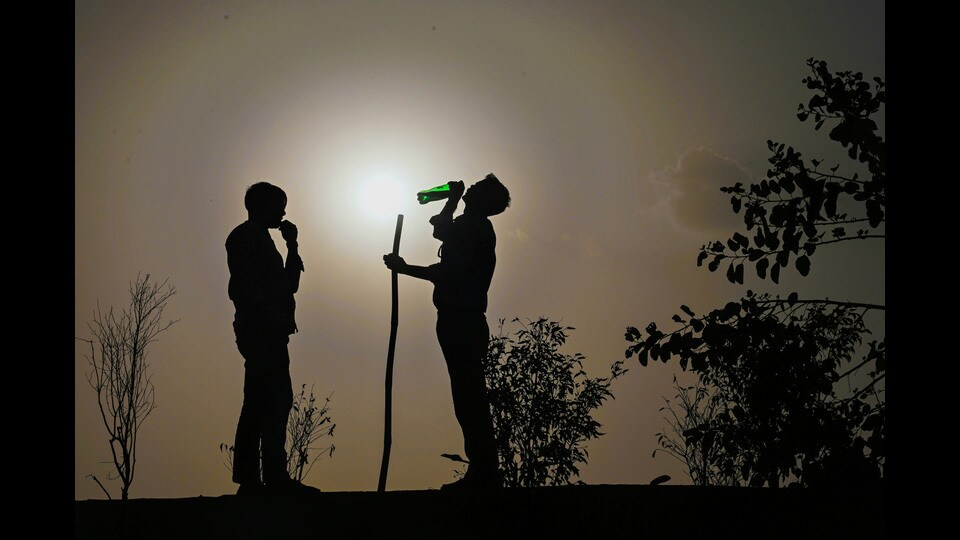
According to government officials, of the 14 deaths recorded between April 1 and June 18, seven were at Ram Manohar Lohia Hospital, six at Safdarjung, and one at Lok Nayak, according to government data. Further, at least 20 more people are critically ill and being treated at RML, Safdarjung and Lok Nayak hospitals, said the officials.
“All these patients need intensive care and are intubated (on ventilators),” said a senior government official, requesting anonymity.
Another 104 people across five public hospitals in Delhi are also suspected to have died due to sweltering temperatures, though these will be confirmed as heat-related only after autopsies are conducted.
Deen Dayal Upadhyay hospital reported 40 suspected heat-related deaths between June 11 and 18, a senior official of the facility told the Delhi government’s health department in a letter on Wednesday.
“The sudden rising in number of dead bodies in the last two or three days could possibly due to extreme heat wave condition in the city,” said the letter.
However, autopsies are still to be conducted on these bodies, said officials, adding that the reports will confirm whether the deaths were triggered by the heat.
Moreover, central government officials said that they had received reports that 20 more people at Lok Nayak hospital, 17 at RML, 15 at Lal Bahadur Shastri and 12 at Lady Hardinge had succumbed to the heat. These bodies have not been subject to autopsies either, and the Capital’s overall number is likely to skyrocket if the post-mortem tests confirm these deaths as heat-related.
To be sure, the city’s summer toll is likely to be far higher than those reported by health care facilities, since a major chunk of deaths are likely to go unreported, and the correlation between the temperature and a death is also often difficult to piece together.
According to health ministry guidelines, heat-related deaths, an overarching term for deaths where ambient heat has directly or indirectly contributed to the deaths, may be categorised in two types. First, where environmental heat was directly involved in the sequence of conditions causing death by heat stroke. Second type of deaths are those in which environmental heat contributed to the deaths but was not in the sequence of conditions causing these deaths. These kinds of deaths are mainly due to exacerbation of pre-existing health conditions.
DDU hospital’s medical director BL Chaudhary, who wrote to the special secretary of the Delhi government’s health department, did not respond to calls and text messages requesting comment.
Central government data that HT accessed showed that 110 people had died across India this summer. Six of these deaths were recorded on Tuesday, showed the data.
Among the worst affected states is Uttar Pradesh, where 36 have died this summer and three on Tuesday. The other states with high mortality include Bihar (17 deaths), Rajasthan (16) and Odisha (13).
Doctors treating patients in various heatstroke units said that almost all the patients who land up in hospitals are critically ill.
“The body temperatures range between 105 and 107 degrees Fahrenheit (40.5°C-41.6°C) when we measure in the emergency units,” said Dr Amlendu Yadav, in-charge of the heatstroke unit, and professor at the emergency department of Ram Manohar Lohia Hospital.
“These are largely people from poor socio-economic background. They are mostly labourers or neglected elderly persons who have no one to keep a constant watch,” said Dr Yadav.
The normal human body temperature ranges between 97°F and 99°F, depending on a person’s age and location. Temperatures between 105°F can be fatal and trigger severe illnesses, seizures, irregular blood pressure and, in extreme cases, shock, coma or organ failure.
People with comorbidities like those suffering from chronic heart, lung and kidney conditions and obesity, besides vulnerable populations like the elderly and young children, and people on certain medications such as beta-blockers, diuretics and anti-depressants are at high risk of being impacted.
Experts point at two kinds of heat strokes — exertional and non-exertional. The latter usually occurs over several days due to exposure to heatwaves, whereas the former happens in a matter of a few hours, especially if a person is performing strenuous physical activity in hot and humid conditions. Loss of fluids and electrolytes can burden the heart.
“If a heatstroke is suspected, the person should be taken to a doctor as quickly as possible. It’s also important to make sure the affected person is brought into the shade; put under cold shower or wet towel is placed on the person’s head, neck, feet, and palms to bring the temperature down,” said Dr Rommel Tickoo, director of internal medicine at Max Superspecialty Hospital in Saket.
Doctors also advised avoiding direct sun exposure to the sun, especially during the peak hours — between 10am and 4pm.


