
 E-Paper



How Vizhinjam Port in Kerala will save India $220 million every year
Built under the PPP mode at the cost of ₹8,900 crore, the Vizhinjam port is operated by the Adani Group, and the Kerala government holds a majority stake in it.

 Prefer HTon Google


Prime Minister Narendra Modi on Friday commissioned India’s first deepwater transhipment port at Kerala's Vizhinjam, the first step in making India a global shipping hub.
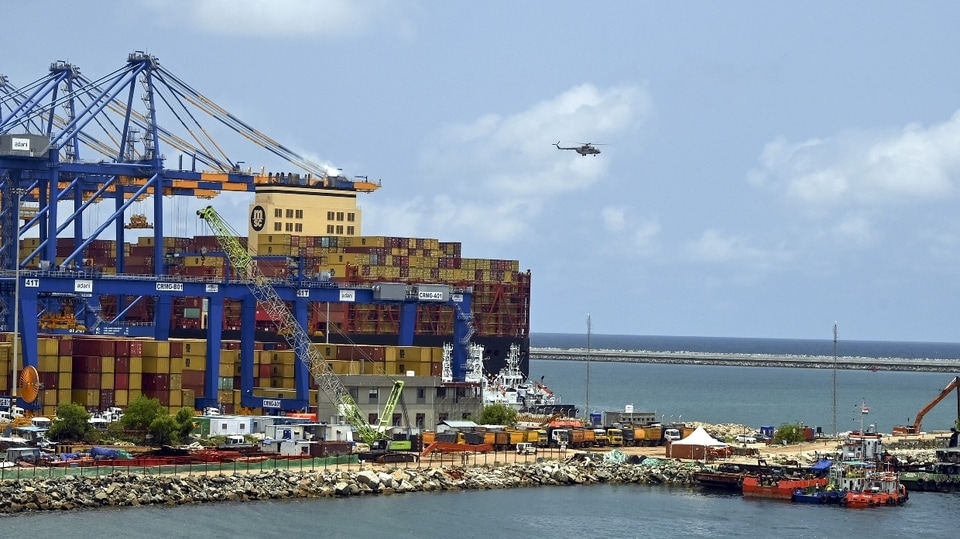
The Vizhinjam International Deepwater Seaport in Kerala was conceptualised in 1991 and to its current operational status in 2025, the project has navigated through numerous hurdles, from legal, environmental, logistical, to financial.
Built under the public private partnership mode at the cost of ₹8,900 crore, the port is operated by the Adani Group and the Kerala government holds a majority stake in it.
Now that it is operational, it has the potential of revolutionising the shipping industry in the country, saving $220 million annually for the country.
Also read: ‘Sleepless nights ’: PM Modi jabs Cong over Shashi Tharoor presence at Kerala port event
What is a deepwater transhipment port?
A transhipment port is one which has terminals where cargo containers are shifted from one vessel to another before the ships reach their destinations. These ports are used to process large amounts of international cargo, something India had to rely on foreign ports like Colombo to do.
The absence of such infrastructure in India meant longer transit times and potential delays for traders. That issue will now be solved by the Vizhinjam deepwater transhipment port.
How will the Vizhinjam International deepwater Seaport help India save millions?
Without a deepwater transhipment port in the country, 75 per cent of India’s transhipment cargo comes through foreign ports like Colombo in Sri Lanka, Singapore, and Jebel Ali in the UAE. This results in longer transit times and delays for domestic traders, costing them an additional $80 to $100 per container.
India has the potential to generate an additional $220 million a year by serving its own cargo.
Apart from the money aspect, having its infrastructure to handle transhipment cargo would also insulate India’s supply chains from potential geopolitical shocks.
The port's location puts it close to international shipping routes, making it possible for India to service big cargo vessels with a capacity of upwards of 20,000 containers. The location is also optimal because it has minimal sand movement along the coast, thus reducing maintenance costs.
All in all, the port will serve India and the world, creating an avenue for the country, which has barely been tapped.


