E-Paper



IIT Madras asks student body to delete pro-protest Instagram video
ChintaBAR, recognised independent student body, it sought permission on July 20 to organise a peaceful gathering in support of students affected by paper leaks.

 Prefer HTon Google


A student body at the Indian Institute of Technology (IIT) Madras has alleged that senior institute officials asked it to delete an Instagram video posted in support with students protesting over examination irregularities and denied permission for a peaceful gathering, saying it could “disrupt” the institute’s relations with the Centre and “tarnish” IIT Madras’ image.
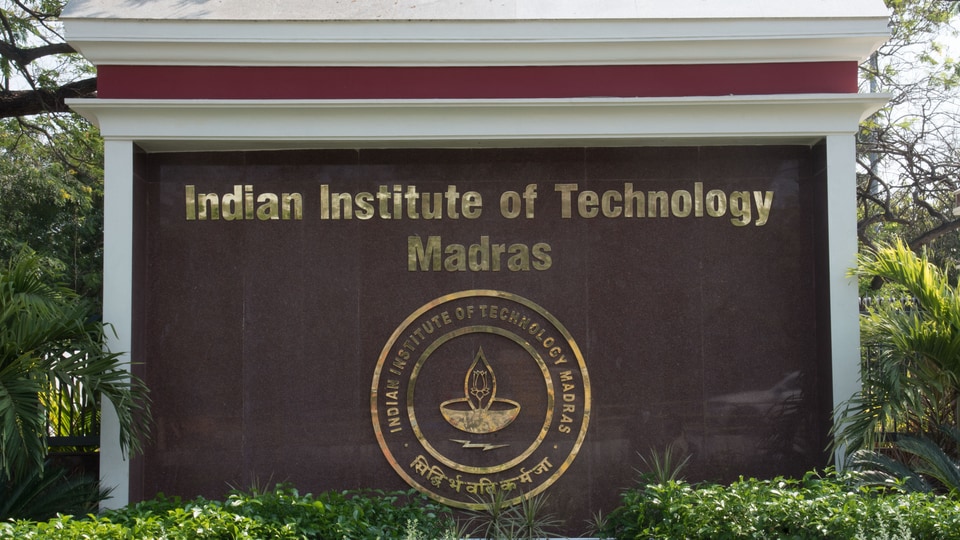
According to the group, ChintaBAR, a recognised independent student body, it sought permission on July 20 to organise a peaceful gathering in support of students affected by paper leaks and irregularities in national-level entrance examinations such as NEET-UG and UGC-NET, as well as those participating in ongoing protests in Delhi and elsewhere.
In an email to the administration, seen by HT, ChintaBAR said repeated examination irregularities, cancellations and re-examinations had caused “severe academic, emotional and financial stress” to students. It said the proposed gathering would be peaceful, would not disrupt academic activities and would comply with institute rules.
A student associated with ChintaBAR alleged that after the request was submitted, representatives were asked to meet Dean of Students Prof Sathyanarayana N Gummadi on July 20 in the presence of elected students’ general secretary Annapureddy Suresh.
“The dean asked us to take down the Instagram video we had posted on July 17 in support of protesting students in Delhi and denied permission for the gathering, stating that IIT Madras did not want to disturb and disrupt its relations with the central government over the ongoing student protests,” the student alleged.
The student body claimed it complied after informing fellow students through WhatsApp groups why the video was being removed. The video had featured IIT Madras students holding placards highlighting issues of paper leak and other exam irregularities.
Another student alleged officials told them that they were “not allowed to protest” because it would “tarnish the image of IIT Madras”.
HT reached out to IIT Madras director V Kamakoti, Prof Gummadi and the students’ general secretary. They did not respond.
A separate request by a group of BTech and MTech students to hold a peaceful protest on campus on July 20 was also turned down, students alleged. A WhatsApp message posted by a student after their meeting with the dean, seen by HT, said the administration had asked them not to hold any protest that day but consider it later, prepare a list of demands on “accountability in education”, and discuss them with the director.
The post said students had sought the freedom to publicly support the larger movement demanding accountability in education.
“The institute representatives also requested that we acknowledge the efforts IIT Madras has made to improve examination systems following the issues with NEET paper leaks and the CBSE examination system. I request everyone to take note of these efforts and acknowledge them,” the message reads.
IIT Madras experts recently helped CBSE develop its On Screen Marking (OSM) portal after uproar over irregularities in Class 12 results and prepared the Centre’s data analytics report on NEET-UG 2024, which found no evidence of mass malpractice.
The allegations come days after IIT Roorkee issued an advisory asking students and employees not to participate in political activities or make political statements without prior permission, saying such remarks could embarrass the institute’s relations with the central government. IIT Roorkee later clarified that the advisory was routine and unrelated to the ongoing protests.
Despite no permission from IIT Madras authorities, over 150 students attended a gathering at Himalaya Lawns inside the campus on Wednesday to express solidarity with the students protesting in Delhi. The gathering was organised by common students of the premier engineering institute.