
 E-Paper



In Odisha train tragedy, 40 passengers may have died of electrocution: Report
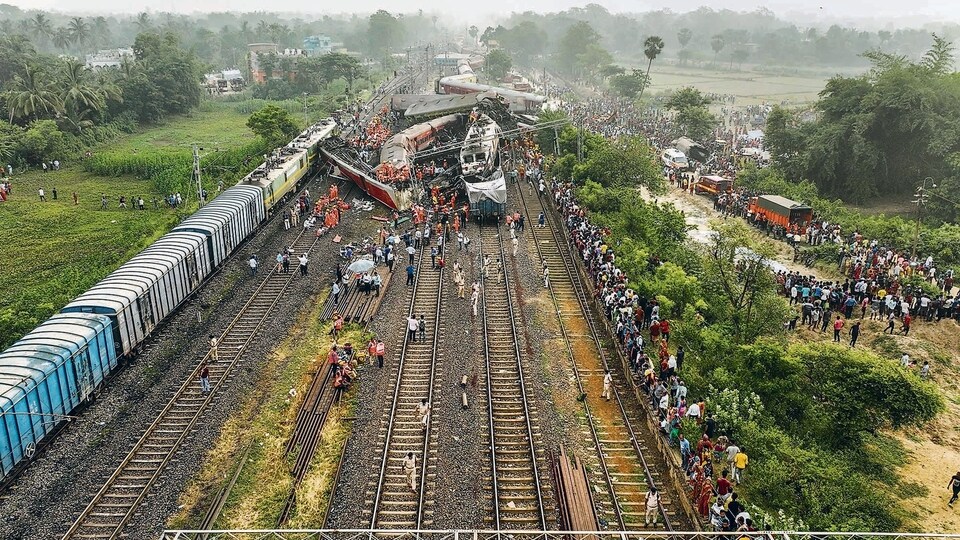
At least 278 passengers died, and more than 1,200 have been injured in one of the worst train accidents in the country.

 Prefer HTon Google


At least 40 passengers from the Coromandel Express may have died due to electrocution during the triple train crash in Odisha's Balasore district, reported news agency PTI citing the Government Railway Police (GRP). Reportedly, in a FIR filed at the GRP in Balasore indicated that several passengers succumbed to injuries caused due to the collision and electrocution after coming in contact with an overhead LT (low tension) line.
Also read: Odisha train mishap: Special arrangements at helpline 139 for deceased's kin
According to officials, the “overhead wires snapped as coaches which toppled over during the triple train accident overturned electrical masts,” reported PTI.
Earlier in the day, the Central Bureau of Investigation (CBI) took over the probe and registered a case into the tragic train accident that claimed 278 lives and injured thousands of people. The agency will be looking at all possible reasons including human error or deliberate attempts to cause the accident.
“CBI has registered a case on the request of ministry of railways, consent of the Odisha government and further orders from DoPT (department of personnel and training) relating to the train accident involving Coromandel Express, Yashwantpur-Howrah Express and a goods train at Bahanaga Bazar in the state of Odisha on June 2,” a CBI spokesperson said.
How did it happen?
On the eve of June 2, the Coromandel Express crashed into a stationary goods train around 7 pm, which derailed most of its coaches. After some time, another Bengaluru-Howrah Express which was passing by crashed into the derailed coaches of the earlier crashed trains.
Also read: Odisha train accident: 48 hours later, Assam man found alive under rubble
Death toll
According to the latest reports, at least 278 passengers died, and more than 1,200 have been injured. Meanwhile, over 100 bodies have not been identified and have been kept in hospitals and mortuaries.
(With inputs from PTI)


