E-Paper



India completes field evaluations of Spanish, German bids for submarine deal
The submarine deal is expected to figure when German Chancellor Olaf Scholz and Spanish President Pedro Sanchez visit India in the coming months

 Prefer HTon Google


The Indian Navy has completed field evaluation trials of the two submarines in contention for the ₹43,000-crore Project 75I programme, with a team visiting Spain last month to evaluate the vessel fielded by State-owned shipbuilder Navantia, people familiar with the matter said.
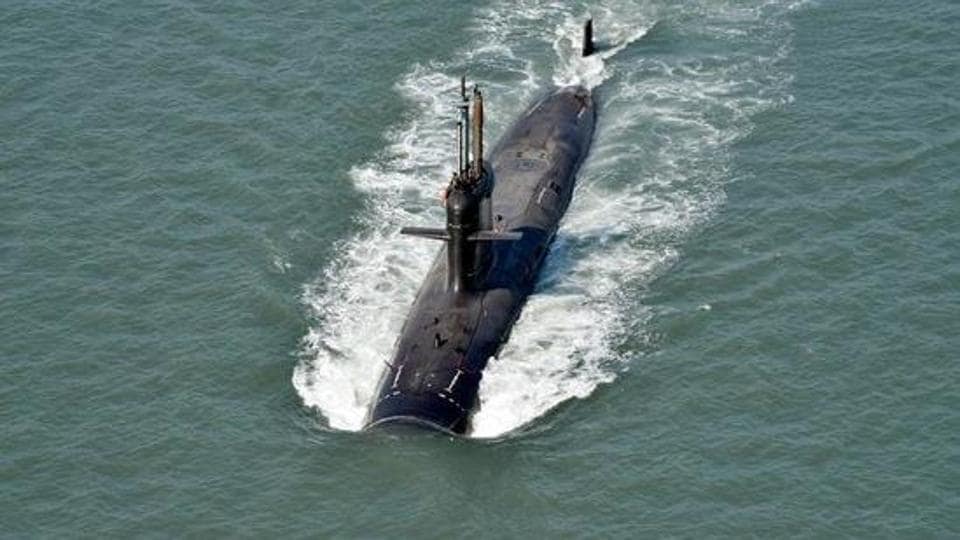
While Germany’s ThyssenKrupp Marine Systems (TKMS) has tied up with India’s State-run Mazagon Dock Shipbuilders Limited (MDL) for the project to build six submarines with an air independent propulsion (AIP) system, Navantia has teamed with engineering major Larsen & Toubro.
The evaluation of Navantia’s submarine, based on its new S80 class of vessels, was conducted at a shipyard in Cartagena last week, the people cited above said on condition of anonymity. The Indian Navy had evaluated the TKMS submarine at a German shipyard in March.
Navantia demonstrated the AIP system operating on the surface and its performance while submerged would be shown soon, the people said. The navy will now present its findings on both bids to the defence ministry for further action, they said.
Both TKMS and Navantia have stepped up lobbying for the project, which envisages the construction of six advanced submarines by an Indian bidder and a foreign collaborator. The AIP system will allow the vessels to remain submerged for longer periods of time. The first submarine must have a minimum of 45% indigenisation, with the indigenous content going up to 60% in the sixth.
During a visit to India last month, Navantia chairman Ricardo Dominguez Garcia-Baquero told the media that the Spanish government is willing to back his company’s bid in every way. “This includes expeditious export clearance [and] signing an umbrella agreement with the Indian government...like in the case of the recent Airbus deal [for supplying C-295 transport aircraft] with [Tata],” he said.
He said Navantia and L&T are fully committed to meet India’s transfer of technology requirements and the stipulations for indigenous content in line with New Delhi’s goal of achieving self-reliance in manufacturing defence hardware.
TKMS has offered a submarine based on its Class 214 and Class 212CD designs.
The submarine deal is expected to figure when German and Spanish leaders visit India in the coming months. German Chancellor Olaf Scholz is scheduled to visit India in October for the bilateral inter-governmental consultations, while a visit by Spanish President Pedro Sanchez is expected later this year too.
Germany has taken several steps to advance defence cooperation with India in recent months, such as easing licening requirements for selling military equipment. Spanish officials have said their country is keen to enhance defence cooperation with India as part of Europe’s efforts to wean the country away from Russian military equipment.