E-Paper


India ready to discuss all bilateral issues with Bangladesh, says MEA amid Sheikh Hasina row
India said the proposed consular dialogue with Bangladesh wasn't cancelled over Sheikh Hasina’s passport request and would be held on a mutually convenient date

 Prefer HTon Google


India said on Friday that it was ready to discuss all bilateral issues with Bangladesh, dismissing suggestions that a planned dialogue on consular matters had been called off because former prime minister Sheikh Hasina had approached Bangladeshi authorities for a passport to facilitate her return home.
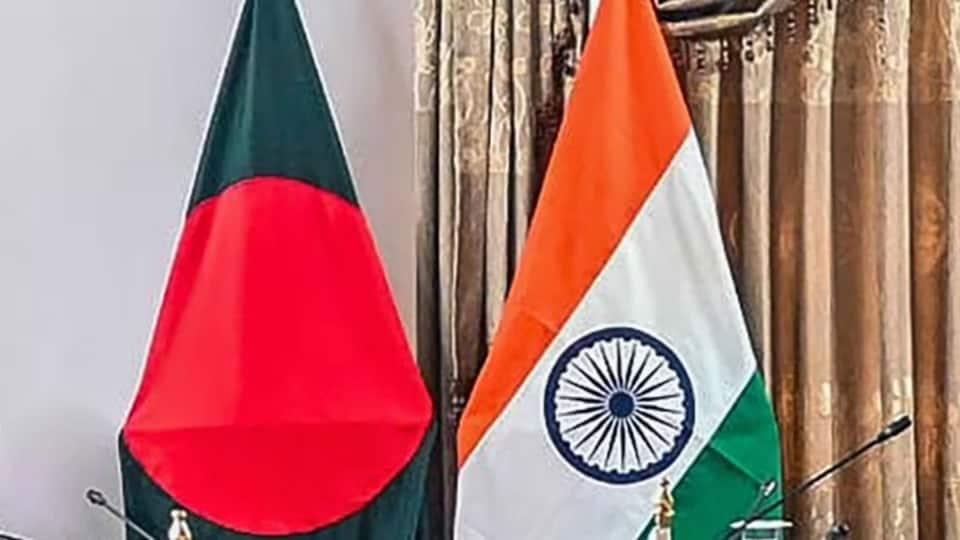
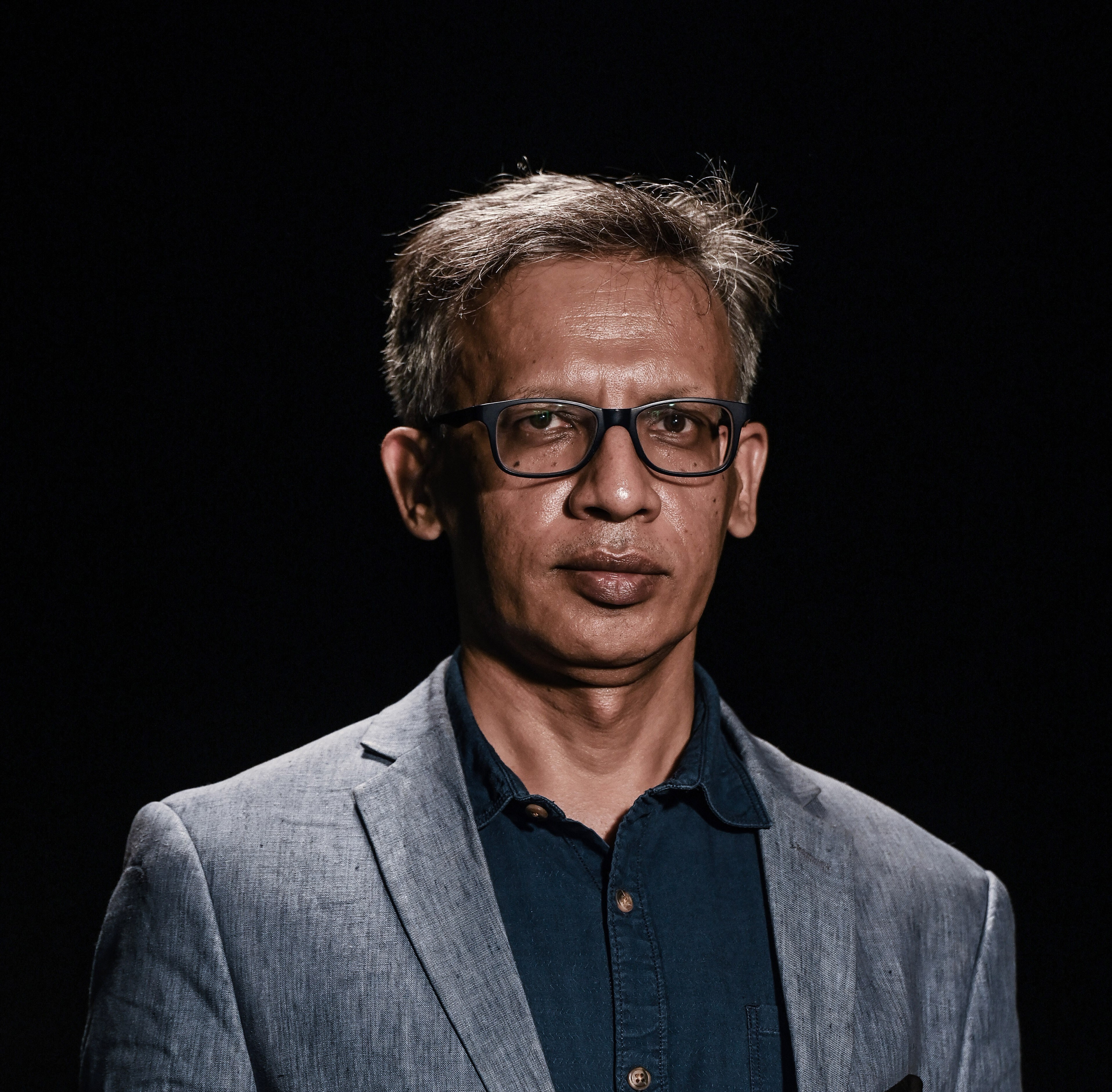
“India desires a positive, constructive and forward-looking relationship with Bangladesh,” external affairs minister Randhir Jaiswal told a regular media briefing when he was asked about reports regarding the cancellation of the proposed consular dialogue.
“India remains ready to discuss all bilateral issues with Bangladesh through these existing mechanisms, including at the technical level,” Jaiswal said. “The consular dialogue will be held at a mutually convenient date.”
Hasina, who has lived in self-exile in India since her government was toppled in a student-led uprising in August 2024, approached the Bangladesh high commission in New Delhi on Monday to seek a passport and a national identity card ahead of her planned return home in December. Following this development, some media reports suggested that the proposed consular dialogue had been called off by the Bangladesh side.
The Bangladeshi side, which will host the consular dialogue, had proposed that the meeting be held in Dhaka on November 17-18, people familiar with the matter said. However, these dates were not acceptable to the Indian side purely because of scheduling issues, the people said.
Jaiswal further said that some initiatives had been taken in the context of relations with Bangladesh and meetings had been held under structured mechanisms in areas such as trade, railways, water resources and border management.
“The next round of the India-Bangladesh consular dialogue, which will also take up matters relating to revised travel arrangement, will be held on a mutually convenient date,” he said, without elaborating.
Bangladesh had emerged as the largest source of foreign tourists before the ouster of the Awami League government, though travel between the two sides was hit as ties cratered under the interim administration in Dhaka led by Muhammad Yunus. The two sides are now looking to put in place revised arrangements for visas, the people said.
India had earlier refused to be drawn on the issue of Hasina seeking a passport from the Bangladesh mission to facilitate her return home, and the external affairs ministry has only said that such travel plans would require a “travel document”.
Hasina’s request for a passport has already been dismissed by Bangladesh’s deputy foreign minister Humaiun Kobir, who reiterated Dhaka’s demand for her extradition.
The former PM’s passport was revoked by Bangladeshi authorities after she fled to India. Hasina, who was sentenced to death by Bangladesh’s International Crimes Tribunal in 2025 for crimes against humanity, has said in interviews that she intends to return home in December despite facing the possibility of arrest.