
 E-Paper



Indian Air Force gets defence board nod to buy 5 S-400s from Russia
The board, headed by defence secretary Rajesh Kumar Singh, accepted the IAF proposal which will now go to the Defence Acquisition Council (DAC).

 Prefer HTon Google


New Delhi: The Defence Procurement Board (DPB) on Monday cleared the Indian Air Force (IAF) proposal to buy five more S-400 air defence systems from Russia according to people familiar with the matter -- a move that comes even as West Asia is seeing a conflict dominated by ballistic missiles and kamikaze drones.
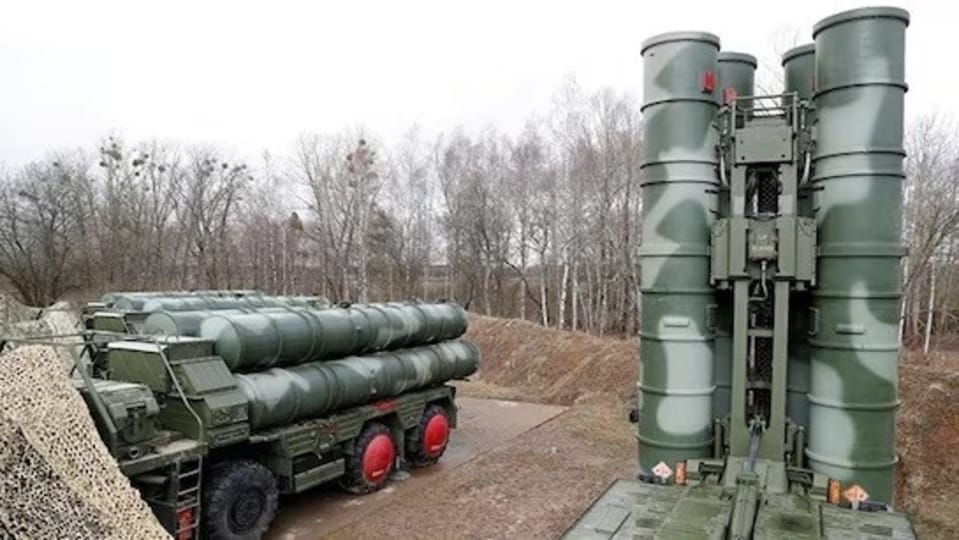
The board, headed by defence secretary Rajesh Kumar Singh, accepted the IAF proposal which will now go to the Defence Acquisition Council (DAC) headed by defence minister Rajnath Singh for acceptance of necessity (AoN).
It is only after DAC grants AoN that the cost negotiation committee will be constituted to fix the price of the new acquisition before the matter is given the final green signal by the Cabinet Committee on Security (CCS) via the finance ministry.
India currently has three S-400 systems with another two expected to be inducted into the Indian armed forces this year. The S-400 system performed admirably during Operation Sindoor and ensured that Pakistani fighters, airborne warning aircraft and electronic intelligence aircraft did not take to the skies on May 10 when India blasted enemy airbases, air defence radars and command control systems.
Also Read | Iran-US war spreading to Middle East evokes 'great anxiety': India
Early on the morning of May 10, 2025 an Indian BrahMos strike destroyed the Northern Command and Control network of Pakistan Air Force (PAF) at Chaklala Airbase in Rawalpindi. Pakistan sued for peace soon after.
The defence ministry is now waiting for IAF and the Indian Army’s proposal to buy 13 Russian Pantsir S-1 self-propelled missile systems, which counter medium range surface to air missiles, short range rockets and kamikaze drones, the people cited above added. While 10 Pantsir system will be purchased by IAF to protect the 10 S-400 systems that Indian armed forces will ultimately have, three will be purchased by the army to tackle cruise missiles, attack helicopters, loitering ammunition, armed drones, rockets and short range missiles on the borders.
Even though the modalities of S-400 acquisitions are to be negotiated, HT learns that all the five systems will be purchased outright with maintenance, overhaul and repair given to Indian private sector players.
Another route will be followed in case of Pantsir -- there will be an initial outright purchase under the fast track route but some systems will be made in India by private firms as the requirement is urgent.
The Pantsir system is currently used by the UAE forces -- and its efficacy has been demonstrated in its ability to shoot Iranian kamikaze drones out of the sky.

India's size, the presence of adversaries on its western and northern borders, and its 11,000-km coastline mean the country needs advanced air defence systems to not only counter enemy fighters and bombers way beyond visual range but also to neutralize ballistic missiles . The now coastline is 11,000-km according to the government, which updated the number from 7500 a couple of years back.
The on-going Iran-US war has highlighted the need for anti-ballistic missile systems globally due to proliferation of Chinese long range missiles in the Indian sub-continent and West Asia. This apart, Turkey has been supplying low cost kamikaze drones and loitering ammunition to Pakistan, Iran, Azerbaijan, Maldives and Bangladesh with the strategy of saturation bombing the enemy.


