
 E-Paper



Indian tourists most concerned about polluted beaches, overtourism: Survey
The survey launched to mark World Environment Day on Saturday highlighted tourists globally consider governments most accountable for making positive environmental changes around travel, followed by tourism authorities and individuals

 Prefer HTon Google


As many as 24% of 18,327 people surveyed for international digital travel agency Agoda’s sustainable travel trends survey believe governments have the responsibility when it comes to making changes to help make travel more sustainable. At least 20% said they themselves have to ensure it. The survey found pollution of beaches and waterways, and “overtourism” in India were the top two concerns among the tourists. The single-use plastics and energy inefficiencies (including overconsumption of electricity/water) ranked third.
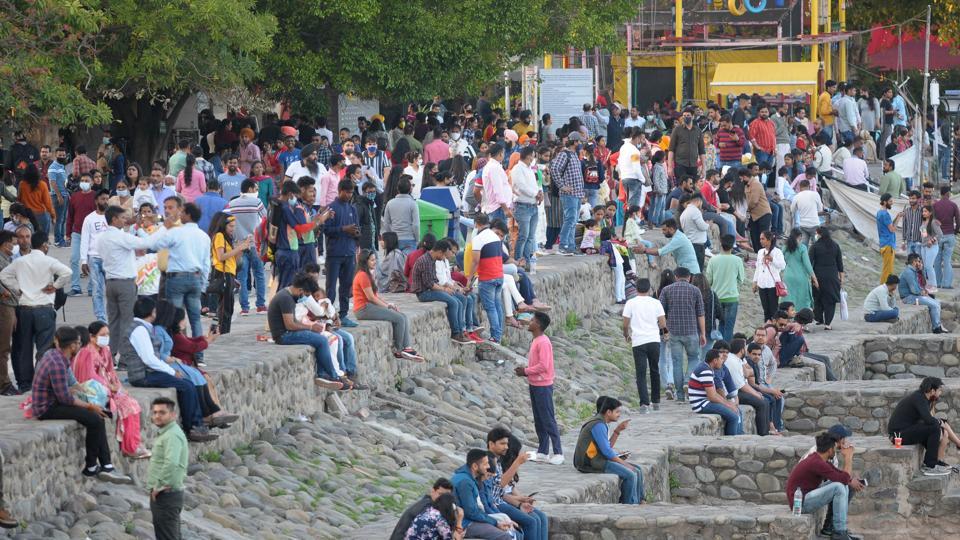
The survey launched to mark World Environment Day on Saturday highlighted tourists globally consider governments most accountable for making positive environmental changes around travel, followed by tourism authorities and individuals. Tourists from Indonesia and UK were most likely (36%) to hold governments most accountable followed by those from China (33%), Australia (28%), Malaysia (27), and India (24%).
Also Read | UK unlikely to relax foreign travel curbs amid Covid-19 surge
Managing their waste including using less single-use plastics, switching off the air conditioners and lights when leaving their accommodation, and looking for eco-friendly accommodation were the responses of the respondents when asked how they will make the post-Covid travel scenario better.
“...when asked about what Indians associated the most with sustainability, the top three results were renewable resources (36%), natural cleaning products (32%), and eco-friendly design/furniture (31%),” the survey report said.
John Brown, chief executive officer of Agoda, said what is also clear is that while globally the message is governments need to take the lead on managing sustainable travel, there is recognition that some responsibility lies with people’s own behaviour. “This past year at Agoda, we have seen a shift in travel patterns as people, limited to domestic travel, explore lesser-known areas. If managed well, not only does this help support independent hoteliers and accommodation providers that rely economically on the tourist dollar, but it can also help lessen the environmental burden on overcrowded areas.”
The survey found respondents from South Korea (35%), India (31%), and Taiwan (31%) were keener on the need to travel more sustainably. “It is concerning that many people see sustainable travel as less important today than they did before Covid-19, but I hope that is just a short-term effect, driven by people’s thirst to get back out there and travel any way they can,” Brown said.


