
 E-Paper



Indigenous languages, oral traditions take centre stage at Delhi’s National Tribal Literary Festival
The two-day festival in Delhi brought together writers and scholars to promote tribal languages, preserve oral traditions and bring indigenous literature to mainstream audiences.

 Prefer HTon Google


From the Gond Ramayana to the Bhil Mahabharata, India’s tribal literary traditions have epics, songs and stories that carry generations of community memory. Bringing these voices from oral storytelling to classrooms, publishing houses and wider audiences was the focus of a two-day National Tribal Literary Festival that concluded in New Delhi on Friday.
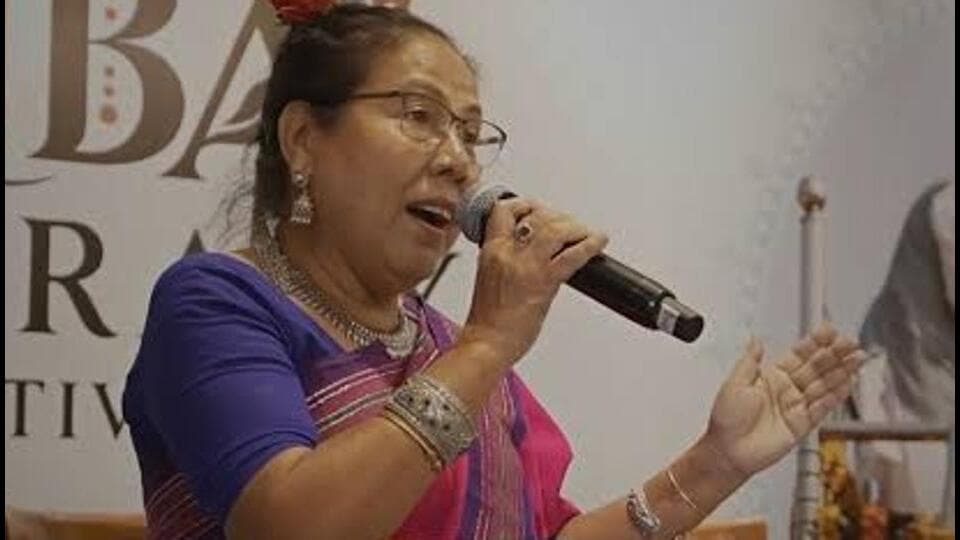
Organised by the ministry of tribal affairs at the India Habitat Centre as part of the Janjatiya Gaurav Diwas celebrations, the festival was themed ‘From Oral Tradition to Contemporary Tribal Literature’ and brought together writers, poets, linguists, researchers and scholars from across the country.
The concluding day on November 13 featured discussions on tribal epics, the role of indigenous knowledge in multilingual education, and readings by emerging tribal writers and poets. Speakers highlighted how oral narratives, songs, folklore and poetry serve as repositories of community memory, cultural identity and lived experiences.
A session moderated by Prakash Jha explored the oral literary traditions of the Bhil and Gond communities, including the Gond Ramayana and Bhil Mahabharata, as well as Manipur’s Wari Leeba storytelling tradition and the Khamba-Thoibi epic. Speakers stressed the need to document these traditions through audio-visual recordings and research, while recognising community storytellers as custodians of indigenous heritage.
Another discussion, moderated by former Sahitya Akademi secretary K Srinivasa Rao, examined how indigenous languages, traditional songs and community narratives could strengthen inclusive education, particularly at the early childhood level. Participants called for tribal knowledge to be integrated into educational processes through documentation, translation and technology.
Storytelling and poetry-reading sessions gave emerging tribal writers a platform to present works reflecting community life, cultural memory, identity and contemporary social realities across different linguistic traditions.
During the valedictory session, tribal affairs secretary Ranjana Chopra called for sustainable platforms to support authors writing in indigenous languages and connect them with publishers and wider readerships.
She highlighted Living Roots Originals, an initiative developed in collaboration with the Indian Performing Right Society to recognise and protect the creative rights of tribal musicians and performers. She also announced that the ministry would facilitate a dedicated tribal literature section at the National Book Trust’s forthcoming book fair at Pragati Maidan.
Rao said the festival represented 27 languages, including 23 tribal languages, and emphasised the need to incorporate tribal literature into university curricula, translation programmes and mainstream publishing.
The festival concluded with a renewed focus on preserving indigenous literary heritage and bringing tribal voices into the national discourse as part of the vision of Viksit Bharat@2047.


