E-Paper



Madhya Pradesh suspends proposed cheetah corridor project
In November last year, the Cheetah Project Steering Committee and the two state governments discussed the corridor for cheetahs to roam freely to develop their territories

 Prefer HTon Google


Madhya Pradesh has suspended a proposed 17,000 square km cheetah corridor project covering 10 districts of the state and seven in Rajasthan until the cheetah population increases at Kuno National Park (KNP) and Gandhi Sagar Wildlife Sanctuary, officials aware of the matter said.
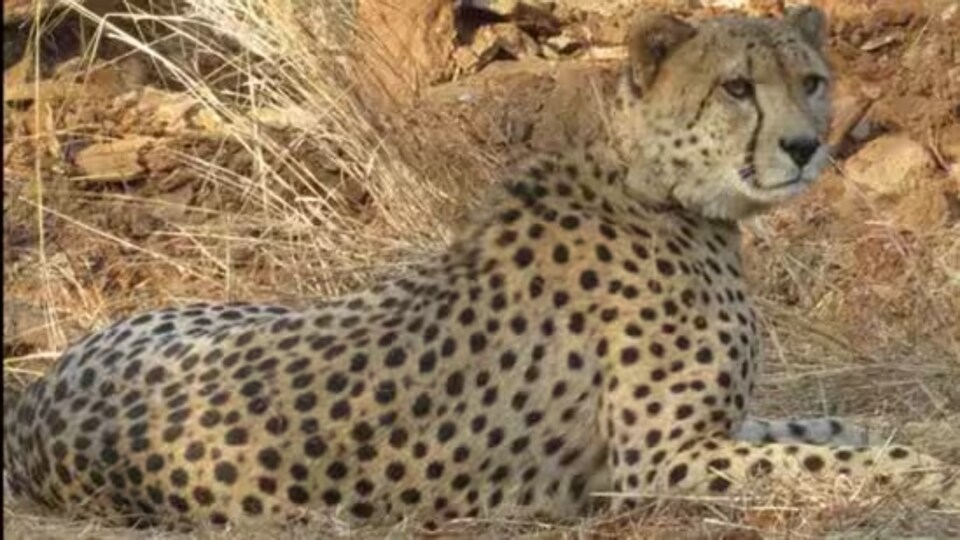
In November last year, the Cheetah Project Steering Committee and the two state governments discussed the corridor for cheetahs to roam freely to develop their territories. Madhya Pradesh chief minister Mohan Yadav and his Rajasthan counterpart, Bhajan Lal Sharma, also deliberated over the issue.
India launched the cheetah reintroduction project in September 2022, years after the species was declared extinct in the country in 1947. Twenty cheetahs were brought to Kuno National Park. Eight were flown from Namibia in September 2022 and 12 from South Africa in February 2023.
Madhya Pradesh additional chief secretary Ashok Varnwal said they were concentrating on making the project cheetah successful with an increase in their population. “There is no point in developing a cheetah corridor at this stage.”
The cheetah corridor project was part of Rajasthan’s budget proposals this year. Rajasthan also requested the World Wildlife Institute for the survey of the corridor.
A Madhya Pradesh forest department officer, who is not authorised to talk to the media, said the corridor will be of no use without an increase in the population of cheetahs. “Kuno National Park’s cheetahs are moving towards Rajasthan. We bring them back as we cannot leave cheetahs unmonitored. In the Gandhi Sagar Wildlife Sanctuary, there are only two cheetahs. So there is no point in a cheetah corridor.”
He added that the corridor will be developed when the cheetah population increases beyond the capacity at the sanctuary and the Kuno National Park.
A cheetah, Jwala, was tranquillised and brought back when it moved to Rajasthan.
Officials said Rajasthan wrote to Madhya Pradesh last month over the signing of a Memorandum of Understanding for the corridor, but there was no response.
The suspension of the corridor came after Kuno National Park halted construction of a highway stretch, citing safety concerns as it was proposed to cut through it. UK Sharma, the park field director, said last week that construction cannot proceed without a proper mitigation plan. “The Wildlife Board and the Union environment ministry granted permission on the condition that elevated roads and underpasses be developed to ensure safe animal movement. If these conditions are not met, we will not allow construction that endangers cheetah lives.”
The 63.4 km Goras–Shyampur highway will connect Rajasthan’s Sawai Madhopur via Madhya Pradesh’s Morena and Sheopur at an estimated cost of ₹209 crore. As many as 32 km of the proposed highway passes through ecologically sensitive zones, including Kuno National Park in Madhya Pradesh’s Sheopur district and Kailadevi Sanctuary (Rajasthan).
Sharma said the stretch was within the proposed cheetah corridor linking Sheopur to Gandhi Sagar Wildlife Sanctuary via Rajasthan. “Two cheetahs have been translocated to Gandhi Sagar to establish it as a second habitat. With cheetahs actively roaming in the area, it is imperative to ensure their safety.”