The Centre has allowed neighbourhood and stand-alone shops providing non-essential goods and services, including those in residential areas and market complexes outside municipal areas, to open from Saturday but with certain conditions.
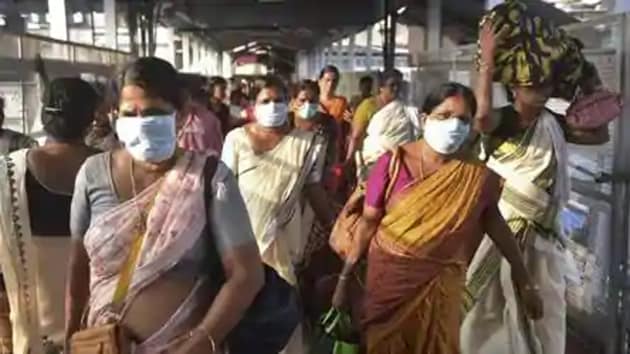
In a late-night decision on Friday, the Union ministry of home affairs said these shops can operate with 50% strength of their staff strength and will have to strictly maintain social distancing measures including mandatorily wearing masks.
The latest order issued by Union home secretary Ajay Bhalla, which is an addendum to April 15 guidelines, said, “All shops registered under the Shops and Establishment Act of the respective State/UT, including shops in residential complexes and market complexes, except shops in multi-brand and single-brand malls, outside the limits of municipal corporations and municipalities, with 50 per cent strength of workers with wearing of masks and social distancing being mandatory” will be allowed to function.
Click here for the complete coverage of the Covid-19 pandemic
It added that “all shops, including neighbourhood shops and standalone shops, shops in residential complexes, within the limits of municipal corporations and municipalities, registered under the Shops and Establishment Act of the respective State and UT” will be allowed to open during the lockdown.
{{/usCountry}}It added that “all shops, including neighbourhood shops and standalone shops, shops in residential complexes, within the limits of municipal corporations and municipalities, registered under the Shops and Establishment Act of the respective State and UT” will be allowed to open during the lockdown.
{{/usCountry}}MHA later issued a clarification on the order on allowing the opening of shops.
“In rural areas, all shops, except those in shopping malls are allowed to open. In urban areas, all standalone shops, neighbourhood shops and shops in residential complexes are allowed to open,” it said in a release on Saturday.
“Shops in markets/market complexes and shopping malls are not allowed to open,” it said.
It also clarified that sale by e-commerce companies will continue to be permitted for essential goods only.
It further clarified sale of liquor and other items continues to be prohibited as specified in the National Directives for Covid-19 management.
“As specified in the consolidated revised guidelines, these shops will not be permitted to open in areas, whether rural or urban, which are declared as containment zones by respective States/UTs.”
What will open, what won’t
This means standalone shops like a dealer of electronics and electrical items and other shops in residential areas in urban centres can open.
E-commerce companies will continue to be permitted to sell essential goods only.
All shops in small market complexes or single dealers in rural or semi-rural areas can also sell their items to the public.
All these shops have to be registered under the Shops and Establishment Act of respective states and Union territories, which means a roadside barber or mechanic, who is unlikely to have a registration, cannot open their shop.
“The latest decision will reopen major economic activity in rural, semi-rural and even urban areas and concerns raised by people on social media about non-availability of certain items will now be addressed,” a senior government official, who did not wish to be named, said.
“However, everyone should observe complete safety measures as we are still in a critical phase of Covid-19 spread,” the official said.
However, shops in market complexes, single brand or multi-brand malls or those in Covid-19 hotspots or containment zones as well as liquor shops, gyms, bars, sports complexes and theatres, will not be allowed to function.
The order will benefit the rural areas the most, opening up the commercial activities further as all non-essential items will now be available to the public through these shops.
The order comes as a major relief for people as several non-essential items were unavailable since March 24 and also after a month since India was put under a nationwide lockdown.
The concessions have not been extended to shops in hotspots or containment zones and states and Union territories are free to take any decision to close down a particular market or shop if they feel the relaxations could jeopardise their Covid-19 measures.
India’s tally of the coronavirus disease (Covid-19) stands at 24,506—including 18,668 active cases, 5063 cured, discharged or migrated and 775 deaths, according to the health ministry’s dashboard on Saturday morning.