
 E-Paper



Najafgarh Jheel: Bird numbers fall, diversity expands, says new count
The wetland, the second-largest in the National Capital Region, is a critical habitat for resident and migratory water birds

 Prefer HTon Google


Gurugram: The migratory bird count at the Najafgarh Jheel, a critical wetland that straddles Gurugram and southwest Delhi, has dropped sharply while the number of species inhabiting the lake has gone up, a new avian census said.
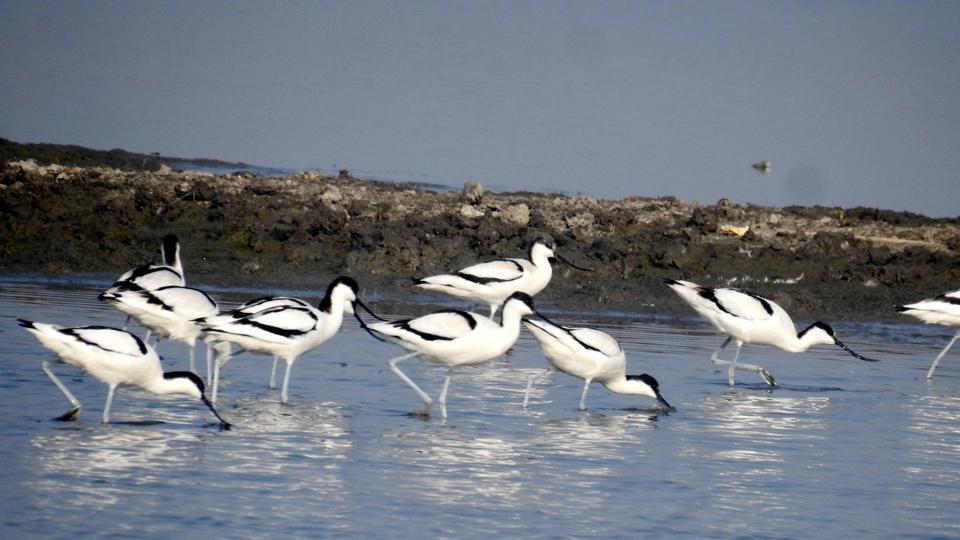
The wetland, the second-largest in the National Capital Region, is a critical habitat for resident and migratory water birds but faces escalating environmental pressures and human activity. The Asian Waterbird Census (AWC) 2025 data indicated that Najafgarh Jheel recorded 82 bird species this year—up from 64 in 2024— while the total count of birds fell from 6,004 to 3,650.
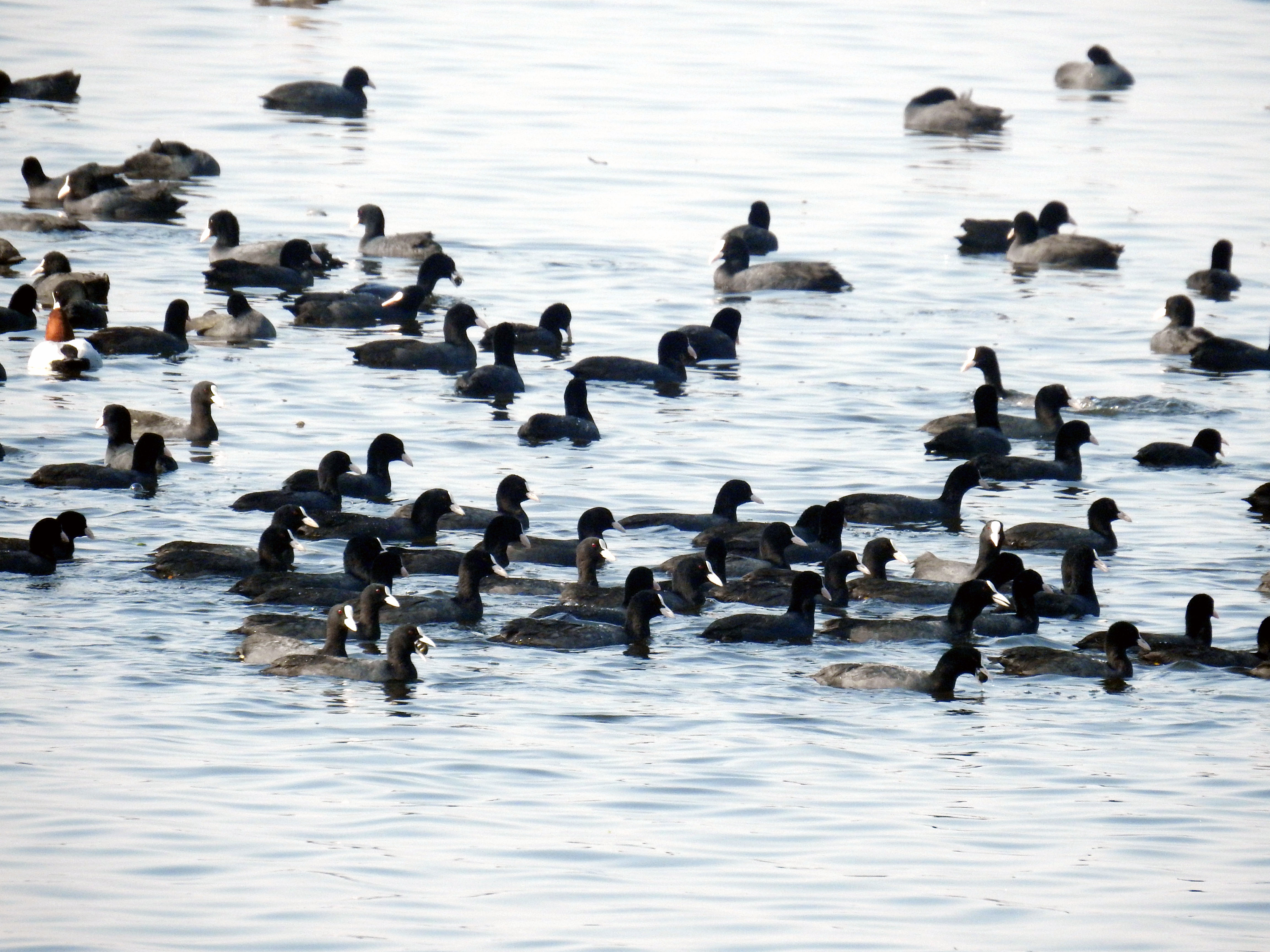
Experts attributed the decline to multiple factors including global climate change, illegal fishing, encroachment, and excessive water extraction for agriculture. Another persistent issue is the construction of the Massani Barrage on the Sahibi river, which has significantly reduced the water inflow that sustains the wetland during drier months. In addition, sewage drains continue to pollute the lake, degrading the water quality and threatening birdlife.
“Without coordinated efforts from the authorities in both Haryana and Delhi, Najafgarh Jheel’s capacity to host diverse birdlife may shrink further. In recent years, insufficient monsoon rainfall nearly dried out the wetland—including in 2024—leading to a decline in water bird populations. Although a delayed yet stronger monsoon in 2024 partially revived the jheel, human disturbances continue to deter migratory flocks, forcing most of them into safer marshland pockets around the government-controlled periphery and other private areas.” said T K Roy, ecologist, ornithologist, and AWC State Coordinator (Delhi), Wetlands International South Asia.
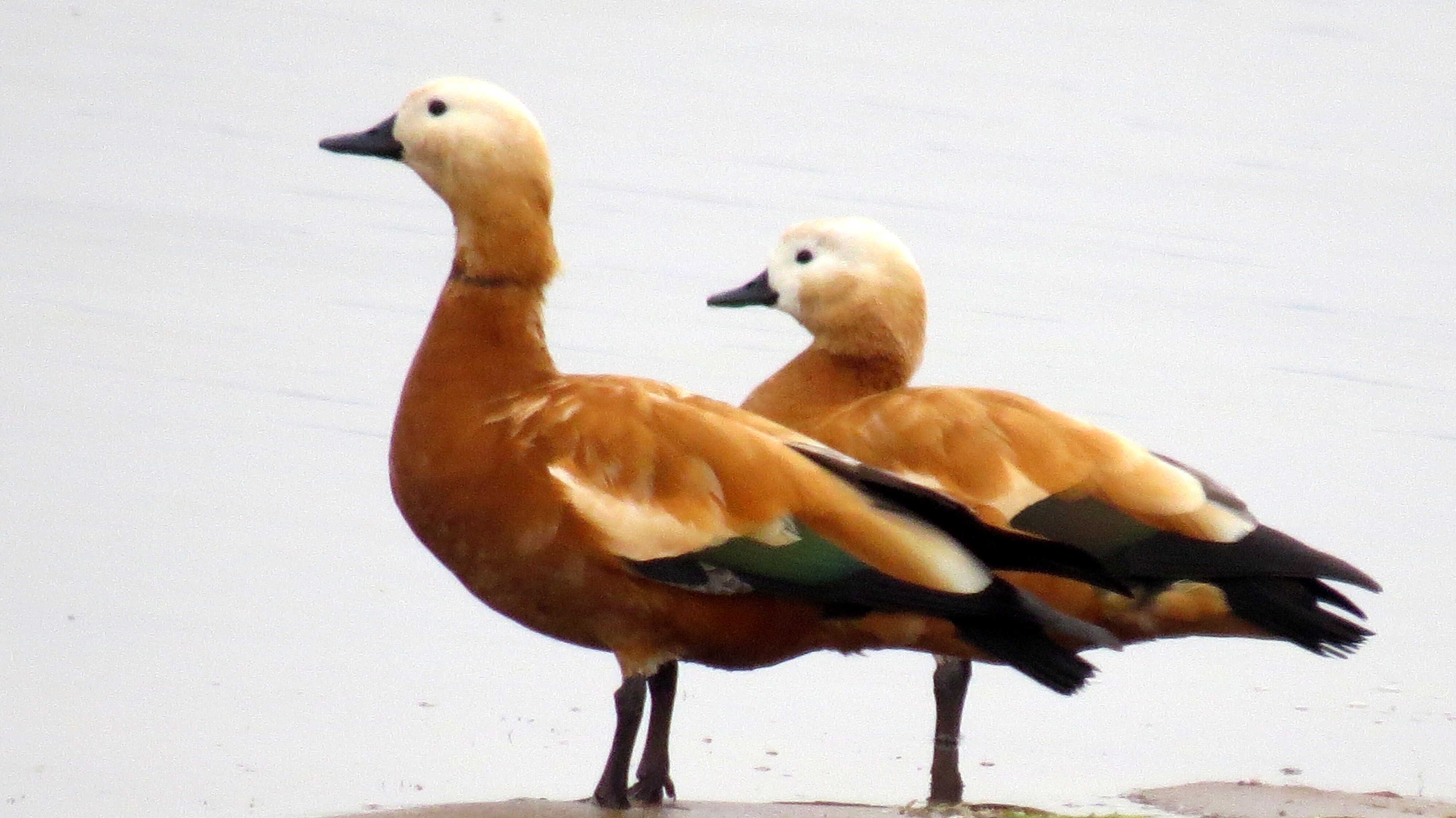
Over the past few years, insufficient monsoon rainfall has repeatedly caused the lake to dry up nearly completely, leading to a sharp decrease in water bird populations. In 2024, a delayed but relatively better monsoon revived parts of the wetland, attracting winter migratory flocks. However, their numbers were lower than expected, primarily due to ongoing human activity. Many bird species, which did fly in stayed in marshland pockets near government-controlled areas or private tracts of the lake that offer safer roosting and feeding grounds.
The AWC, part of the International Waterbird Census, is carried out each January in 27 countries across Asia and Australasia including India. Its goal is to support wetland and water bird conservation, and findings often inform the designation of protected areas such as Ramsar Sites. Conservationists have highlighted the urgent need for robust measures to protect the wetland. Though a National Green Tribunal (NGT) order—passed either in 2023 or 2024—called for the wetland’s conservation, the government has not yet issued a notification securing its status as a protected site.
AWC observers noted that migratory species such as Bar-headed Geese and Graylag Geese have experienced considerable declines while the Northern Shoveler and the Common Teal have seen minor increases. Rare sightings of Common Cranes and an Osprey suggest that the lake still holds potential for rich avian diversity when conditions allow. Despite this promise, environmentalists warn that, without coordinated efforts from authorities in both Haryana and Delhi, Najafgarh Jheel may lose its capacity to sustain the wide range of birdlife it once did.
Conservation advocates argued for stricter regulation of fishing, preventing sewage discharge, and restoring natural water inflows to maintain the lake’s ecological integrity. They pointed out that protecting it would not only benefit thousands of resident and migratory birds but also bolster the overall environmental health of the National Capital Region.


