
 E-Paper



New ED circular asks officers to not question people at ‘unearthly hours’
The circular asks officers to “strictly” restrict the recording of statements during earthly hours, or office hours for senior citizens or individuals who are ill


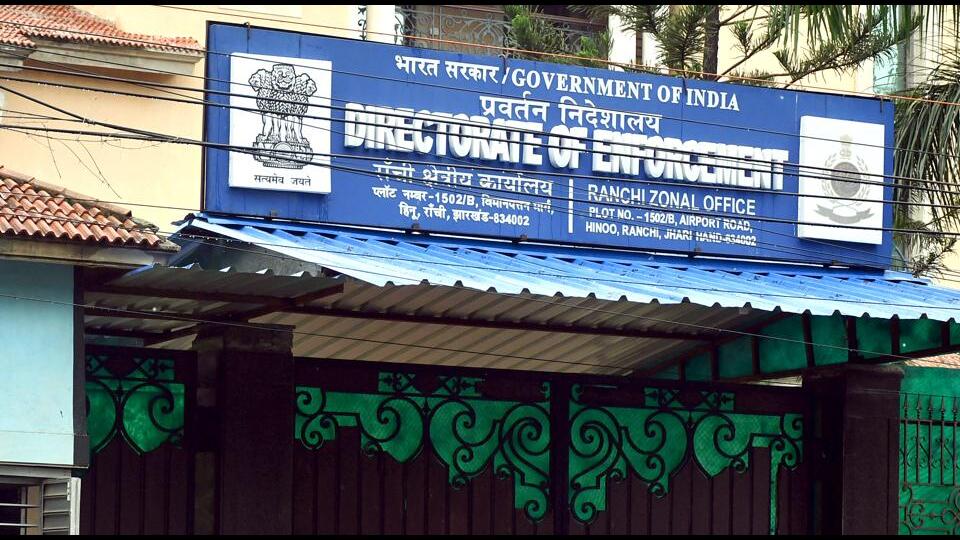
NEW DELHI: The Enforcement Directorate (ED) has issued internal guidelines directing officers to not question people at “unearthly” hours and not keep them waiting for hours at their office, the agency said on Tuesday.
For senior citizens or individuals who are sick or infirm, the internal circular asks officers to “strictly” restrict the recording of statements during earthly hours, or office hours.
The circular was issued on October 11, months after the Bombay high court in April directed the federal agency to issue the directives as it took up a petition of an individual who was summoned and detained overnight and interrogated.
A 64-year-old businessman had complained to the high court that his statement was recorded overnight, depriving him of the ‘right to sleep’ under Article 21 (right to life with dignity) of the Constitution.
A bench of justices Prithviraj K Chavan and Revati Mohite Dere upheld the arrest but directed ED to put in place timings for recording statements under Section 50 of the Prevention of Money Laundering Act. It also asked the ED to put up this circular on its website and X handle.
The issue also came up before the Supreme Court on September 21 when the top court lashed out at the agency for the “unpardonable” act of calling persons at short notice, keeping them awake through the night and placing them under arrest the following day. “There is something known as Article 21 of the Constitution of India (right to life and liberty) of the citizens. This is unpardonable and simply not done that you interrogate a person through the night and take him into custody the next day. This is just not done,” a Supreme Court bench of justices Abhay S Oka and Augustine George Masih said on a petition by a retired IAS officer in Chhattisgarh.
The circular issued by ED said the authorised officer or IO (Investigating Officer) of ED should be well prepared with copies of documents to be confronted as well as a questionnaire to examine the person summoned at the appointed date and time.
“The IO, while fixing the date and time of the compliance of the summons, should ensure that the person so summoned is taken up for examination on appointed time and date without keeping him waiting for hours”, it said.
The circular added that considering the nature of money laundering offence, where a person can transfer or conceal the proceeds of crime or destroy digital evidence in a short time using online tools or by using a mobile phone or other digital media, the IO “shall endeavour to conclude the examination of the person summoned expeditiously, ideally on the same day or the following day”.
“This approach may minimize the opportunity to the person summoned either to transfer or conceal proceeds of crime or to fabricate make-believe and concocted explanations,” it said.
The circular added that “efforts should be made to record the statement of person summoned during earthly hours, i.e. during office hours rather than stretching it too late at night.”
“In case of senior citizens, persons with serious medical condition, sick or infirm (subject to verification of medical records or condition), should be restricted to earthly hours and that it would be appropriate to adjourn the examination to next date or any other mutually agreed date as a matter of practice,” the circular added.
However, in exceptional circumstances, the circular said, where the IO has credible information or material that the person if allowed to leave without completion of examination will either alienate proceeds of crime or destroy evidence or past conduct of the person
summoned or abscond or may not join investigation, the IO may record the statement “beyond earthly hours” after recording such reason on the case file and obtaining approval of a senior officer.


