
 E-Paper



Omicron: Comprehensive list of guidelines India implemented from December 1
India has tightened the screening of incoming international passengers in the wake of omicron variant of coronavirus. The states have also been asked to ramp up vaccination. Some countries have been identified as 'at-risk' and travellers from here will undergo thorough check-up.

 Prefer HTon Google


The omicron variant has heightened the security scare across the globe. Many countries have banned trave to southern African countries where the variant emerged last month.
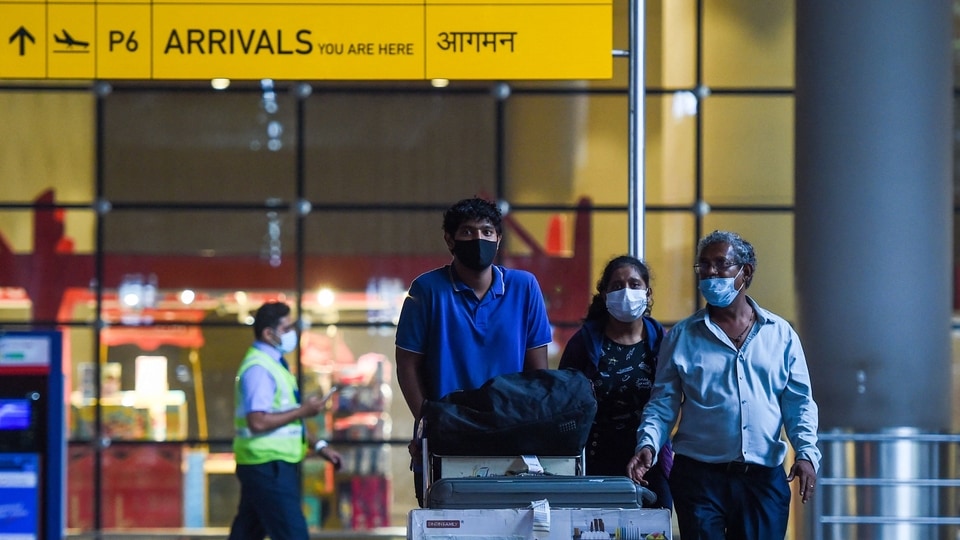
India too has revised its travel guidelines, asking state governments to enhance screening of all incoming international passengers.
The new rules came into effect from Wednesday, December 1.
Here’s a look at what has changed in the wake of the new omicron variant of the coronavirus:
Testing and contract tracing
According to the new guidelines, RT-PCR test has been made mandatory for all international flyers at major airports, besides the Covid-19 test report. Passengers arriving in India are required to submit the self-declaration form on the online Air Suvidha Portal before the scheduled travel. They are also required to submit their travel details for the last 14 days.
The guideline also mandate that the RT-PCR test should have been conducted within 72 hours prior to undertaking the journey.
For travellers coming from ‘at risk’ countries
In case of a negative test result, the traveller will be asked to home-quarantine for seven days as a precautionary measure. They will have to take a retest on eighth day and if negative, further self-monitor for the next seven days.
In case of a positive test result, the samples will be sent for genomic testing at the INSACOG laboratory network. Meanwhile, the passenger will be taken to a separate isolation facility and will be treated as per the protocol laid down by the health ministry.
The authorities have also enhanced testing and contract-tracing of those testing positive.
For travellers coming from countries not identified as ‘at risk’
A random sample of 2% of the travellers (chosen at the discretion of the airlines) will undergo RT-PCR testing at the airport on arrival. This number has been revised from the earlier 5% in the fresh guidelines issued on November 30.
If these come back positive, the sample will be sent for genome testing for the omicron variant. If the result is negative, the traveller will be asked to monitor own health for at least 14 days.
What happens is a traveller develops symptoms during the quarantine period?
According to the revised guidelines issued on November 30, such passengers will be asked to report to the nearest health facility or contact the national Covid-19 helpline (1075) or any of the state helpline numbers.
Quarantine guidelines
Mandatory 14-day quarantine at designated places for Covid-19 positive cases
States have made seven-day quarantine must for travellers arriving from countries of concern (‘at-risk’ nations) as identified by the World Health Organization (WHO) and who test negative at airports. These countries are: The UK, South Africa, Brazil, Bangladesh, Botswana, China, Mauritius, New Zealand, Zimbabwe, Singapore, Hong Kong and Israel.
Maharashtra has issued even stringent guidelines, making RT-PCR testing must for all travellers, irrespective of the country of origin. It has also made 14-day home quarantine mandatory for all international passengers, despite being tested RT-PCR negative upon arrival. Domestic travellers too will have to present RT-PCR negative report, not older than 48 hours, before entering Maharashtra.
Meanwhile, Tamil Nadu has appointed nodal health officers at airports to ensure international flyers are tested and sent to quarantine.
Infrastructure boost
The states have designated special Covid-19 hospitals to handle a surge in cases, if it happens. For example, the Delhi government has designated Lok Nayak Narayan Hospital for omicron cases.
In Mumbai, civic body BMC has directed all jumbo Covid care centres to make necessary preparations.
The Centre, on its part, has increased the ‘Har Ghar Dastak’ (door-to-door) vaccination programme till December 31. It has asked the state governments to increase vaccination coverage.


