
 E-Paper



Over 8 million secure e-passports issued in 6 months: MEA officials
The e-passports store the holder’s facial image and demographic data, bear a digital signature that guarantees the authenticity and integrity of the data on the chip

 Prefer HTon Google


NEW DELHI: The ministry of external affairs has issued more than 80 lakh e-passports after it rolled out the citizen friendly scheme six months ago, with the new microchip-embedded document offering a smooth and swift immigration process and reducing the possibility of misuse by incorporating advanced security features, officials aware of the matter said on Tuesday.
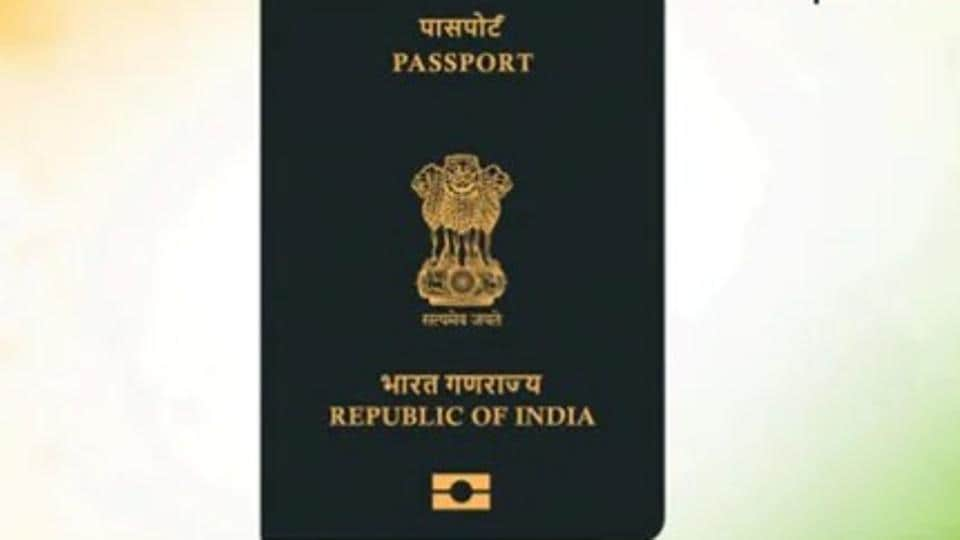
Also, more than 62,000 e-passports have been issued by Indian missions abroad, the officials said at a briefing, adding that all legacy passports will remain valid till 2035.
They described the switch from legacy to e-passports under the Passport Seva Programme (PSP-V2.0) as an upgrade from “3G to 5G” in wireless telecommunication technology.
The e-passports store the holder’s facial image and demographic data, bear a digital signature that guarantees the authenticity and integrity of the data on the chip, and feature advanced encryption to protect sensitive data from unauthorised access and tampering, said one of the officials cited above.
Also, the e-passports, equipped with radio frequency identification chips, are designed to meet the stringent standards of the International Civil Aviation Organisation (ICAO) for worldwide recognition and interoperability, he added.
This is one of the largest e-governance programmes in the country. Tata Consultancy Services (TCS), which is India’s largest software exporter, has brought in technology for e-passports.
In addition to a traditionally printed passport, an e-passport incorporates a contactless smart card that consists of a chip with digitally signed data and wireless antenna for communications with passport encoders, said a second official.
The MEA is issuing around 50,000 e-passports daily, the officials said.
“It has far better security features than the legacy passport. Your data will be safer than before, and it will prevent impersonation and fraud,” said the second official, adding that the documentation process stays unchanged.
India’s passport network spans 511 Lok Sabha constituencies and the remaining 32 are expected to be covered within a year, the officials said.
The PSP-V 2.0 will ensure a digital ecosystem, process overhauling and integration among various stakeholders and databases, improved citizen interface, upgraded technology, and stronger data security.
Apart from chip-enabled e-passports, the key features of PSP-V 2.0 include an interactive citizens’ portal, chatbot to address queries, biometric and facial-based recognition solution, AI based alerts, integration of Passport Seva System with DigiLocker, Aadhar and PAN, advanced data analytics with AI engine, and robotic process automation for document validation, the officials added.


