When he addressed his officers after taking over as Pakistan’s army chief last year, Gen Qamar Javed Bajwa asked them to read a book on Indian democracy.
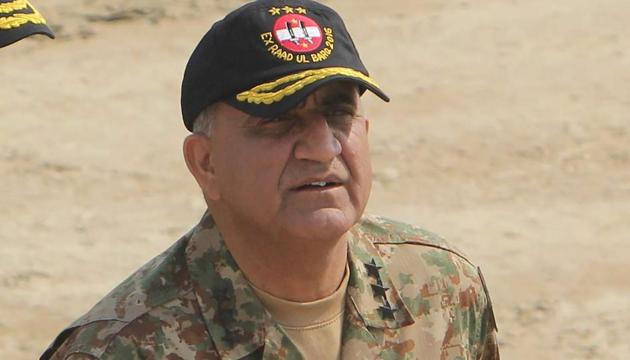
He told them that an army had no business running a government, and asked the officers to read author Steven I Wilkinson’s book, Army and Nation: The Military and Indian Democracy since Independence.
Many Pakistani officers and soldiers are now busy in anti-terrorist operations in the country. So, here’s a cheat-sheet from HT that lists five takeaways from Wilkinson’s book:
* The Indian civilian establishment has successfully managed to keep its soldiers in the barracks, which is where they belong. The army has to be an apolitical organisation and not the one dictating politics.
* Successive Indian governments have taken steps to ensure that the army doesn’t have a free run of the country. The army doesn’t decide the country’s defence policy – that’s a job for the government. It is the government again which decides on the money the force will spend.
* Indian officers don’t make speeches. Its military chiefs are encouraged not to dabble in realpolitik. In the early days of Independence, the government even kept a close watch on senior officers and not the other way round.
{{/usCountry}}* Indian officers don’t make speeches. Its military chiefs are encouraged not to dabble in realpolitik. In the early days of Independence, the government even kept a close watch on senior officers and not the other way round.
{{/usCountry}}* The Indian Army is diversified and not dominated by one ethnic group.
*India also has the world’s largest paramilitary force, which includes the Border Security Force that guards, as is obvious, the borders, and the Central Reserve Police Force that maintains law and order and also fights insurgency.