
 E-Paper



Resolve Mahanadi river dispute via mediation, says ex-judge; asks PM to intervene
The former judge said the possibility of a resolution was high, as the same party ran both the state and central governments—the Bharatiya Janata Party.

 Prefer HTon Google


NEW DELHI: The ongoing dispute over sharing the waters of the Mahanadi river between Odisha and Chhattisgarh should be resolved through mediation and not adjudication, former chief justice of the Orissa high court justice Gopal Gowda said at a dialogue between activists and civil society groups from the two states on Monday, suggesting that Prime Minister Narendra Modi step in to help the two states arrive at a settlement.
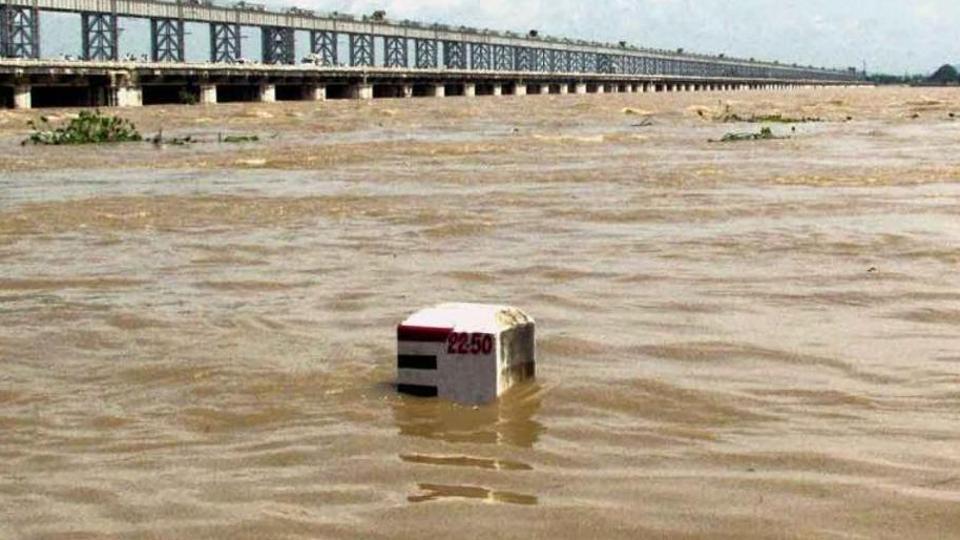
There had been little progress in resolving the pending dispute before the Mahanadi River Water Disputes Tribunal, which was set up in March 2018 on the Supreme Court’s directions, he said at an event organised by Mahanadi Bachao Andolan, which has been spearheading the movement for river and riparian rights of people whose lives and livelihoods are tied to the Mahanadi.
The retired judge said the possibility of a resolution was high, as the same party ran both the state and central governments—the Bharatiya Janata Party.
Justice Gowda also cited the example of the Cauvery water dispute, which has been a source of conflict between Tamil Nadu and Karnataka for decades, saying the mediation route could deliver a faster solution and be mutually beneficial to all parties involved.
To be sure, the three-member tribunal led by retired Supreme Court justice Bela M Trivedi (retd) had also nudged the two states to continue exploring the possibility of a settlement at its proceedings on September 6. The tribunal will review the action taken in this regard on October 11.
The Mahanadi, originating in Chhattisgarh, flows 857 km before entering Odisha, sustaining irrigation, hydropower and fisheries across at least 20 of Odisha’s 30 districts. After Odisha built the Hirakud dam in the 1950s, the river has irrigated 2.35 lakh hectares and produces 347.5 MW of hydropower. Six biodiversity hotspots—including Bhitarkanika, Chilika and Tikarpada—depend on its flows.
At Monday’s event, Aam Aadmi Party MP and chairman of Rajya Sabha’s Committee of Petitions ND Gupta said the Mahanadi issue should not be treated as a mere dispute over water since its implications are much wider and bear significant ramifications.
Sudarshan Das convenor of Mahanadi Bachao Andolan (MBA) said the gathering resolved to pursue a multi-pronged strategy to resolve the dispute and protect the interests of millions of Odisha’s people, for whom Mahanadi is a lifeline. The negotiations must involve all stakeholders and not remain confined to government corridors only, he added.
The group said a Mahanadi Yatra would be launched from the river’s source to the Bay of Bengal to intensify the campaign against pollution, overexploitation, and encroachment on the river.


