E-Paper



SC asks doctors to end stir over Kolkata horror
The Supreme Court criticized West Bengal for a 14-hour FIR delay in a doctor's rape-murder case and ordered striking doctors to return by Sept 10.

 Prefer HTon Google


The Supreme Court on Monday pulled up the West Bengal government over a 14-hour delay in registering a first information report (FIR) in the brutal rape and murder of a 31-year-old doctor at RG Kar Medical College and Hospital in Kolkata, directed striking doctors across the state to resume their duties by 5pm on September 10 and told the state government to submit details on the steps taken to ensure the safety of all medical professionals.
A bench headed by Chief Justice of India Dhananjaya Y Chandrachud emphasised that no punitive action would be taken against the doctors if they returned to work, but warned that continued absenteeism could result in disciplinary proceedings under relevant regulations.
In another directive aimed at protecting the dignity and privacy of the victim, the bench, also comprising justices JB Pardiwala and Manoj Misra, ordered the removal of the victim’s photographs from all social media platforms and media outlets to protect her dignity and privacy.
Protesting doctors in Kolkata, however, said their agitation would continue.
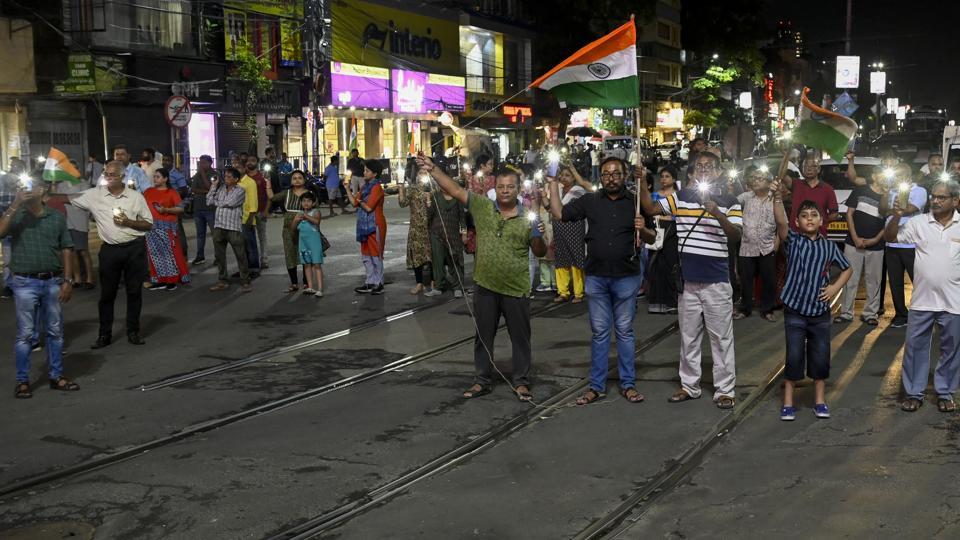
The incident, which has rocked West Bengal, involves the rape and murder of a doctor found dead on the hospital premises on August 9. A Kolkata Police civic volunteer, Sanjoy Roy, was arrested by the city police a day after the crime. The case, now under the investigation of the Central Bureau of Investigation (CBI), has stirred massive protests across the state, with medical professionals demanding better security in the government-run health care facilities.
SC questions Bengal over delay in FIRThe top court, which has been monitoring investigations into the case after it registered proceedings on its own motion (suo motu), questioned the West Bengal government after solicitor general (SG) Tushar Mehta, appearing for CBI, pointed out the discrepancy between the timings of the general diary (GD) entry and the registration of the FIR.
According to senior counsel Kapil Sibal, appearing for the West Bengal government, the GD entry, which is a preliminary record of an incident, was made at 2.55pm. However, Mehta countered this saying that the FIR was only registered at 11.45 pm, raising questions about the delay in initiating formal proceedings.
“There is a delay of 14 hours in filing the FIR,” remarked the bench, seeking an explanation for the gap between the GD entry and the formal registration of the case.
The court was also informed that an inquest was conducted by the judicial magistrate between 4.20pm and 4.40pm on August 9, while the search and seizure operations were carried out between 8.30pm and 10.45pm. The discrepancy in timings and the gaps in the investigation process raised concerns about possible tampering with evidence and procedural lapses.
The bench sought a clarification on the timeline of events, and asked whether the CCTV footage from the hospital was handed over to the CBI. Sibal, on behalf of the state government, assured the court that the CCTV footage was shared with the investigative agency.
“There is CCTV footage to indicate the time the accused entered and exited... Has the footage been handed over to the CBI in its entirety?” asked the bench. Mehta confirmed that 27 minutes of CCTV footage, divided into four clippings, were provided to the CBI.
It also directed the state government to produce a copy of the challan that was filled out at the time of the autopsy of the victim’s body. This document is crucial for tracing the chain of custody and verifying the procedures followed during the post-mortem.
The bench considered the CBI’s statement that the challan, which typically accompanies the examination of the body during an autopsy, was not included in the case file handed over to it by the state authorities.
Faced with this discrepancy, the advocate representing one of the petitioners before the Calcutta high court managed to present the form before the high court during earlier proceedings. However, Sibal and advocate Astha Sharma, who is the standing counsel for the state, clarified that neither of them were in possession of the challan. Therefore, the bench ordered that a copy of the form be provided at the next hearing.
The court refrained from making any observations on the ongoing CBI investigation but directed the agency to file a fresh status report on the progress made in a week. SG Mehta submitted that CBI has taken several steps, including the collection of forensic samples, which are being sent to AIIMS, Delhi for further testing.
“The CBI is looking into it, and we should not be commenting on the specifics of the investigation at this stage,” said the bench, fixing the next hearing on September 17.
Striking doctors asked to return to workDuring the hearing, Sibal complained that despite the top court’s appeal to the doctors to resume duties, most of them are still abstaining from work, and that their absenteeism has so far cost 23 lives. Protests have been spreading across the state, some without prior permission, adding further strain to the already fragile situation, he added.
However, senior counsel Geeta Luthra and Karuna Nundy, representing groups of doctors, raised concerns about threats and safety issues faced by doctors following the incident. They also emphasised that several doctors were not feeling safe despite the ongoing investigation and assurances from the government.
In response, the court directed the West Bengal government to take all necessary measures to restore confidence among the doctors regarding their safety, adding that these security measures must be monitored closely by senior officers.
The bench, however, reiterated the need for doctors to balance their duty towards the public with their legitimate concerns about safety. It said that the state government must immediately take concrete steps to ensure the security of medical staff in hospitals and other health care facilities.
The bench specifically directed district magistrates (DMs) and superintendents of police (SPs) to conduct periodic reviews of safety arrangements at hospitals and ensure the availability of separate resting rooms and functional CCTV cameras in medical institutions.
“The state of West Bengal must take necessary steps to create confidence in the minds of doctors their concerns of safety and security are duly attended to. In order to do so, DMs and SPs will take stock and will ensure necessary conditions are created for safety and security of all doctors in medical colleges and hospitals, including separate resting rooms for women and men doctors, toilet facilities and CCTV cameras,” stated the court order.
While the state claimed that required funds have been allotted to upgrade the infrastructure and safety in government hospitals, the bench made it clear that the state must show the progress made on the ground. “Your status report indicates that funds have been allotted. Without waiting for the panel’s report, you must ensure that the security of doctors is done. You say so many CCTV cameras are already there. Why would this offence take place had all CCTV cameras been working?” the bench asked.
CISF deployment at hospitalThe court also delved into the issue of security at the RG Kar Medical College, with CBI informing the bench that three companies of the Central Industrial Security Force (CISF) were deployed at the hospital after a previous order of the court. However, issues related to the accommodation of CISF personnel were raised during the hearing, with Mehta submitting that some troops were housed at locations far from the hospital.
Sibal submitted that efforts were made to provide accommodation for the CISF personnel, with some stationed at the hospital itself, and others housed at nearby facilities. The bench then directed senior officers from both the state government and CISF to liaise and ensure that accommodation and security measures for the personnel were adequately addressed.
The Union government last week moved the Supreme Court, accusing the West Bengal government of a “systemic malaise” and “wilful non-compliance” in providing essential infrastructure and security for CISF at the hospital. The deployment followed an order of the apex court. The Centre’s application, filed through the home ministry, demanded that the state extend full cooperation to CISF, failing which the top court ought to initiate contempt proceedings against the Mamata Banerjee government for violating the Supreme Court’s orders of August 20 and 22.
On August 20 and 22, the court ordered CISF to secure the hospital and hostel premises and the state government indicated it had no objections. This directive was issued in the wake of a complaint by a group of doctors that after vandalism on August 14, the mob returned to the medical college and threatened women doctors, warning that they would suffer the same fate as the rape victim if they reported the incident.
Agitating doctors said they were disappointed by the apex court’s order.
“If the administration thinks it will use this order as a weapon to end the agitation, we will not let that happen,” Aniket Mahato, one of the agitators at RG Kar Hospital said. “Our agitation will continue. Whether we will meet the government or not is something to be discussed later.”