
 E-Paper



Sikkim goes back to non-partisan polls after more than a decade
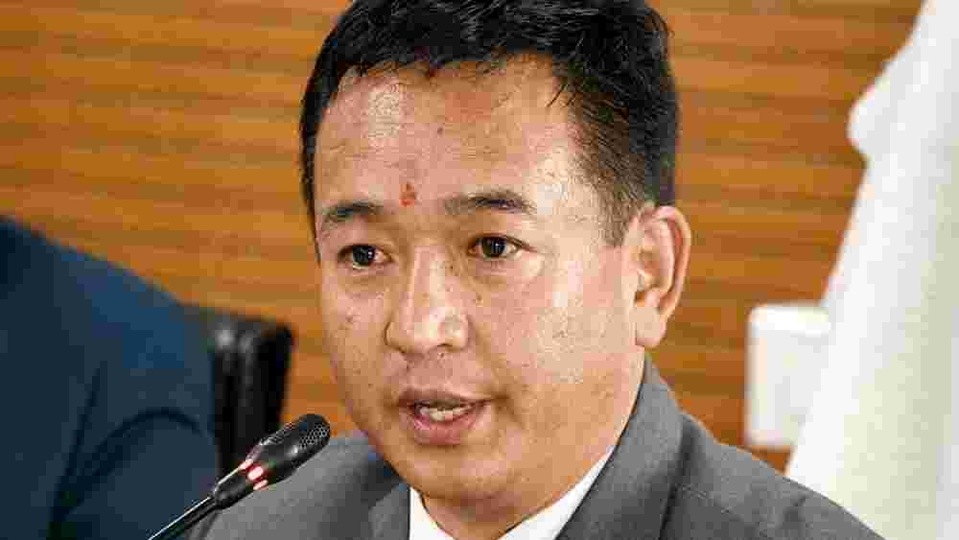
“The latest amendments would usher in true democracy in grassroots governance,” said chief minister Prem Singh Tamang.

 Prefer HTon Google


Tiny Himalayan state of Sikkim is all set to return to non-partisan form of elections after more than a decade.
While political parties contested the municipal polls in the eastern state for the first time in 2010, they contested the panchayat polls for the first time in 1997. Before that, Sikkim used to hold non-partisan elections.
“The election for the municipalities on non-partisan lines would be held either by end of March or early April this year. The required amendments have already been made through the state assembly,” said Arun Upreti, Sikkim’s urban and housing development minister.
Two senior officers in the state’s panchayat department and state election commission said that the rural polls would be held in November next year. Last time Sikkim went to the municipal polls was in 2015 while the panchayat polls in the state were held in 2017.
Also read: Committed to peace, says China after PLA’s aggressive moves at Sikkim’s Naku La
The Prem Singh Tamang (Golay)-government has already amended the Sikkim Municipalities Act and Panchayat Act to hold elections, sans political parties.
“No person shall contest the election to any panchayat and municipality with the support, direct or indirect, of any political party,” the amendments noted.
It was after the Sikkim Democratic Front (SDF) came to power in 1994 that amendments were made in both the panchayat act and municipalities act and the system of political party-based elections were introduced.
But, keeping its election promises to hold party-less panchayat and municipality elections, the Sikkim Krantikari Morcha ( SKM), which formed the government in 2019, amended the Sikkim Municipalities Act 2007 on September 21, 2019, while the Panchayat Act was amended on March 4, 2020.
“The latest amendments would usher in true democracy in grassroots governance,” said Tamang, CM of Sikkim.
Justifying the decisions to hold apolitical elections, SKM spokesperson Jacob Khaling, who is also the political secretary to the chief minister, said, “People now can choose their representatives independently without getting influenced by the ruling party’s pressure. In the past, voters were compelled to vote to the ruling party’s candidates whether they like them or not.”
The opposition, however, said that the non-partisan system is against the panchayat and municipal system.
JB Darnal, spokesperson of the opposition SDF said, “The decision to hold non-partisan elections goes against the very tenet of the panchayati system and municipal system. This will deprive good, committed and honest people affiliated with political parties.”
Sikkim has seven municipal bodies - Gangtok Municipal Corporation, Namchi Municipal Council, Jorethang Municipal Council, Gyalshing Municipal Council, Singtam Nagar Panchayat, Rangpo Nagar Panchayat and Mangan Nagar Panchayat.
In the last elections, the Sikkim Democratic Front (SDF) had made a clean sweep, winning all 53 wards in the seven civic bodies. The SKM, which was then in the opposition, had drawn a blank.
In 2017, the then ruling party, the SDF, had won 536 village panchayat seats and 27 zilla panchayat seats, unopposed. The SDF had swept the election.


