
 E-Paper



View: Like Ministers in the Modi cabinet, the babus are also accountable
The Modi government’s move towards merit in Indian bureaucracy is yielding results.

 Prefer HTon Google


New Delhi: Winds of change are sweeping in the Indian Foreign Service with External Affairs Minister S Jaishankar making years spent at the New Delhi headquarters a key criterion for postings to important missions abroad.
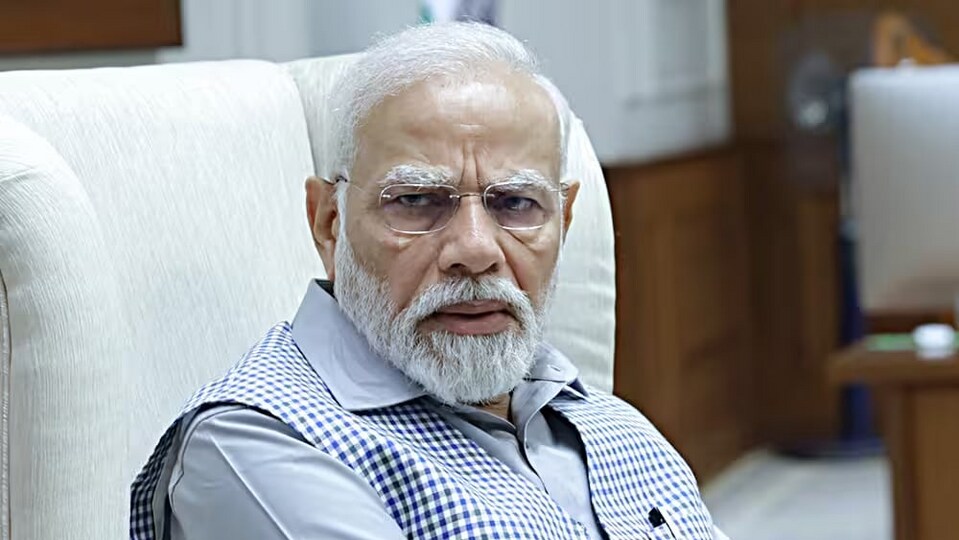
This rule plus merit and not mere seniority will be used when the decision to who will be posted to Washington as Indian Ambassador to US or India’s permanent representative to UN in New York is decided after the present incumbent superannates on May 31, 2024. The same methodology was applied when Jaideep Mazumdar and Pavan Kapoor were appointed as Secretary (East) and Secretary (West) respectively. Mazumdar’s place in Vienna is being taken by Shambhu Kumaran from Manila, who spent years in Delhi, as well as Abhay Thakur, part of India’s G-20 brigade, who goes to Russia in place of Pavan Kapoor.
The basic focus of EAM Jaishankar is to strengthen the headquarters with officers who can put in an extra yard as India under PM Narendra Modi makes global strides with focus on new frontiers in the Global South. “ The days of officers moving from one foreign posting to another are over. Good postings will only be given to those who have put in their best in New Delhi without bothering about foreign allowances and big residences abroad,” said a former foreign secretary.
While the Modi government’s move towards merit in Indian bureaucracy is yielding results, avenues to the top are bogged down with the number of senior officers waiting for postings on count of mere seniority. Due to lax standards in the past, virtually all officers are marked between 8.5 to 10 out of 10 in the performance scale as a result of which majority of those who passed the Civil Services Exam some 30 years ago make it to secretary level by just passing around the files.
This performance assessment has also hit the Indian armed forces and the Indian intelligence as nearly all officers with the miniscule exceptions on count of corruption get promoted to apex scales purely on count of inertia of motion rather than any initiatives. This is presently causing a lot of heartburn among officers who have got top notch assessments without requisite performance as the Modi government looks for the best fit for the job at the apex level be it in armed forces or foreign service.
However, the Indian intelligence has been hit by mediocrity as a large number of officers who were allotted tough cadres like Jammu and Kashmir, Chhattisgarh, Nagaland, Manipur and Tripura in the past chose to join the hardcore intelligence to escape the fires in these states before 2014. With IPS officers of other states more inclined towards field postings for pelf and power, the Indian intelligence has not been able to attract the best of officers albeit with a number of illustrious exceptions.
While the Modi government has shown that it is not afraid to either supersede officers or repatriate the non-performing to parent cadres, the recruitment and training structures of Indian bureaucracy needs a complete overhaul as the 21st century world is far different from the post- World War II world. Generalist bureaucrats cannot handle the new age of automatic intelligence, specialists are today required to man ministries handling trade, commerce, finance, infrastructure and even specific adversarial countries.
It is for this very reason that MEA has decided to post officers who know the language of the country they are assigned and lobbying for the job yields negative results. Like the Cabinet Ministers in the Modi government, the bureaucrats are also being made accountable.


