
 E-Paper



View: Was Katchatheevu Island transfer cleared by Indira Gandhi cabinet or Parliament?
Even though it was described as one rock island by then political leadership, Katchatheevu Island extends Indian waters as well fishing rights of India.

 Prefer HTon Google


New Delhi: While transferring of Katchatheevu Island to Sri Lanka with the tacit connivance of the then Tamil Nadu chief minister of DMK party in 1974 has now become a matter of political slanging match between BJP and Opposition, the fundamental question is was the transfer of this one-mile long island done on basis of personal equation between leaders or was it approved by Indira Gandhi cabinet.
The India-Bangladesh Land Boundary Agreement was signed in 1974 but entered into force on June 6, 2015, after the Union Cabinet under Narendra Modi Cabinet cleared the agreement and the Parliament cleared the 100th Constitutional Amendment Bill on May 7, 2015. The 1974 land boundary agreement signed between then Prime Minister Indira Gandhi and her Bangladesh counterpart Sheikh Mujib-ur-Rehman was ratified 41 years later with a unanimous vote in both houses of Parliament.
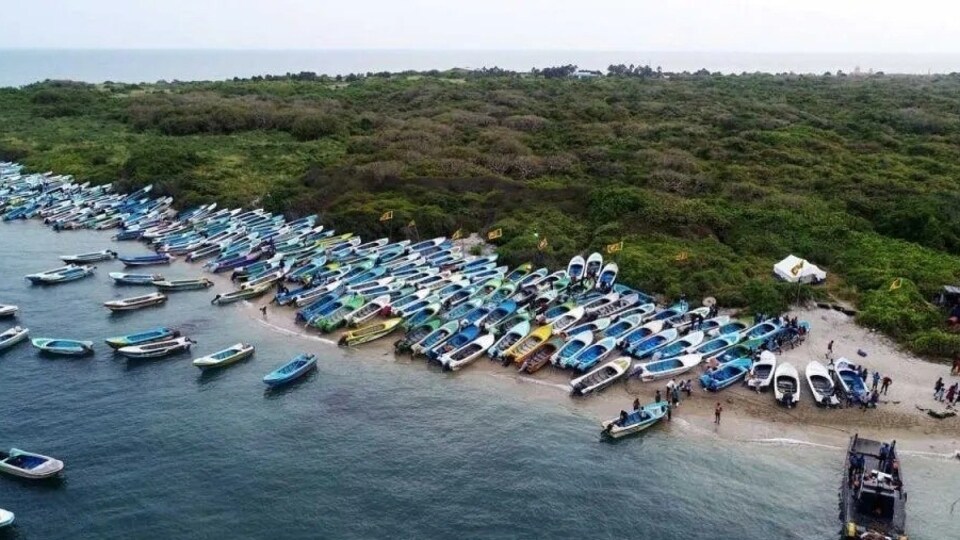
Although the matter of the transfer of Katchatheevu Island by then PM Indira Gandhi to then Sri Lankan Prime Minister Sirimavo Bandaranaike in 1974 and the surrendering of Indian fishing rights in 1976 is now before the Apex Court, there is no evidence yet that the transfer was approved by the Union Cabinet. Further, there was no approval from Parliament despite the matter involving the transfer of Indian sovereign territory to Sri Lanka. The said island has been described in MEA notes, made public as part of RTI, is one mile long and about 300 yards across. It is situated in the Palk Bay at a distance of 18 miles from Rameshwaram Island, 10.5 miles from Delft Island (Ceylon) and 20.1 miles from Mannar coast (Ceylon).
Even though it was described as one rock island by then political leadership, the Katchatheevu Island extends the Indian waters as well the fishing rights of India. That the sovereign territory of India was given to Sri Lanka on a personal basis and to save the political career of Ms Bandaranaike without any overt or tangible returns for India arises suspicion. What is more damning is that DMK today blames the Modi government for fishing rights over Kachchathivu despite being party to the transfer in the very first place.
This is akin to then PM Jawahar Lal Nehru recognizing the Chinese military occupation of Tibet in 1949 without any tangible returns for India or any assurances from then Peking towards Nehru’s ‘forward policy’ that ultimately led to the disastrous 1962 war.
In contrast, India proposed demilitarization of the Siachen Glacier with Pakistan only after Indian military positions were mapped through six-digit grid references and the withdrawal of troops to specific points in reference to the terrain. Pakistan never agreed to the Indian proposal and the matter was put to rest. The peace proposal of removing boundaries from Jammu and Kashmir with Pakistan through a joint mechanism was only discussed in the media as no paper ever reached the MEA or the PMO.
While it is for the Apex Court to decide on the processes followed in transfer of Kachchathivu Islands to Sri Lanka, can the transfer of sovereign land be done on the basis of personal equations of leaders without Constitutional Amendment is the big point to ponder.


