
 E-Paper



Will curtail electricity supply of states, UTs selling power: Centre
In a letter to all state governments and distribution companies (discoms), the Union power ministry requested all states and UTs to utilise unallocated power of the central generating stations (CGS) to meet local consumer demand only.

 Prefer HTon Google


The Centre on Tuesday warned states and Union Territories that it will curtain electricity supply if they are found selling power to cash in on surging prices amid rising concern that depleted coal stocks at power generation plants could potentially to blackouts.
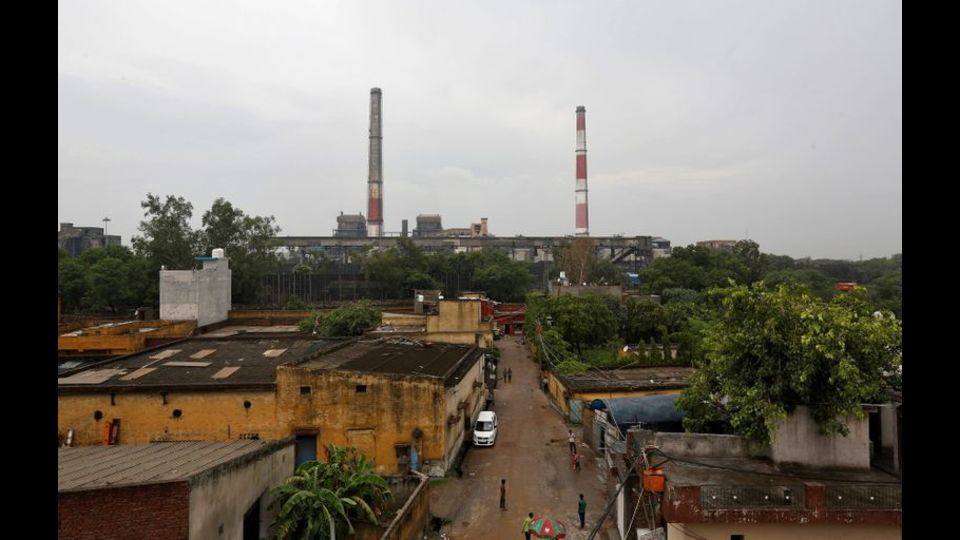
In a letter to all state governments and distribution companies (discoms), the Union power ministry requested all states and UTs to utilise unallocated power of the central generating stations (CGS) to meet local consumer demand only. In case of excess power, it asked the states to inform the ministry so that the electricity could be diverted to needy states.
“It has been observed that some states are not supplying power to their consumers and imposing load shedding in some areas. At the same time, they are also selling power in the power exchange at a high price,” read the letter signed by deputy secretary, GoI, Devashis Bose. HT has seen a copy of the letter.
“Further, if any state is found selling power in power exchange or not scheduling this unallocated power, their unallocated power may be temporarily reduced or withdrawn and reallocated to other States which are in need of such power,” the letter added.
The letter came on a day the Prime Minister’s Office (PMO) reviewed the coal supply and electricity situation as the government looked to defuse the energy crisis in several states that have suffered staggered power cuts since the past one week.
We have continued our supply, even continued in the past despite dues. We are requesting them (states) to increase stock...There won’t be a coal shortage,” Union coal minister Pralhad Joshi told reporters.
India is the world’s second largest coal producer and has the world’s fourth largest reserves but a steep surge in power demand has outstripped pre-pandemic levels, triggering a shortage.
Government reports dated October 11 showed of the 115 plants with critical stock, 107 have coal for five days or less. Usually, any coal based power plant should have stocks OF up to 15 days.
In its letter to states and UTs, the Union power ministry also said that at present, the demand from coal based power plants had increased. Central government-controlled power producers sign long-term purchase agreements with distribution companies but 15% of their output is controlled by the federal administration as “unallocated power”, which is given to needy states.
Coal-fuelled capacity accounts for 52.41%, or 202.80GW, of India’s installed power generation capacity of 386.88GW.
There are a number of reasons for the current situation. International prices of coal have surged, increasing the demand for local coal. Power demand, and therefore the derived demand for coal, has increased sharply in the past couple of months, perhaps a reflection of pent-up demand on account of the disruption from the second wave of the pandemic in April-May and a surge in activity ahead of the festival season. Heavy rainfall, especially in the coal-producing regions of Jharkhand, Odisha and West Bengal, added to the problems.
“Due to rains, there was coal shortage, causing an increase in international prices- from ₹60 per ton to ₹190 per ton. Subsequently, imported coal power plants are either shut for 15-20 days or producing very less. This put pressure on domestic coal,” Joshi said on Tuesday.
He said the government was making full efforts to meet the coal demand of power producers. “We at the ministry and CIL are making full efforts to meet the coal demand... Yesterday (Monday), we supplied around 1.95 million tonnes of coal. Around 1.6 million tonnes from CIL and the remaining from Singareni Collieries Company Ltd. All put together, 1.95 million tonnes we have supplied.”


