
 E-Paper



APJ Abdul Kalam: The man who opposed death penalty
A defence scientist and a Bharat Ratna before he was elevated as President, India’s bachelor president APJ Abdul Kalam had spoken out against death penalty on at least on three occasions while in office and sent back nearly 50 cases of capital sentences back for reconsideration.

 Prefer HTon Google


Former president APJ Abul Kalam did not favour the death penalty like his predecessor. But unlike his predecessor, he himself heard to the government and the people.
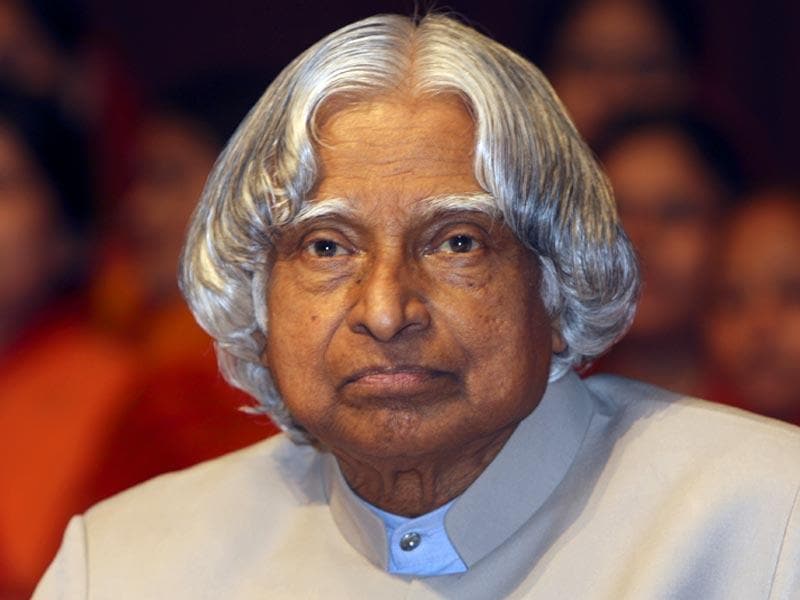
A defence scientist and a Bharat Ratna before he was elevated as President, India’s bachelor president had spoken out against death penalty on at least on three occasions while in office and sent back nearly 50 cases of capital sentences back for reconsideration.
The only mercy plea that he rejected was from Dhannajay Chatterji, a lift operator convicted of rape and killing a young girl in Kolkata, in 2004. Kalam indicated later that he had done so reluctantly.
During his tenure at Rashtrapati Bhavan, Kalam became the only President to send back petitions from 50 death row prisoners to the government in 2005, listing out reasons why the UPA government should consider clemency in each case.
When the home ministry decided to reject his advice in all the cases, he decided against rejecting any more mercy petitions. Many of them were later granted mercy when the Centre reconsidered the petitions in UPA II.
A decade later, Kalam volunteered to respond to a law commission consultation paper on the death penalty. Speaking from his experience at Rashtrapati Bhavan, Kalam recalled the outcome of the study by the President’s office to examine the mercy petitions. "This study revealed to my surprise that almost all the cases which were pending had a social and economic bias," the former President said.
It is a question that Kalam had raised publicly in office too.
The book “Capital Punishment: A Hazard to a Sustainable Criminal Justice System?” points how Kalam digressed from the prepared text at a lecture delivered at Hyderabad’s National Policy Academy in October 2005. He rhetorically asked why there were only poor people on death row.
A few days later, he again stressed on the need for a comprehensive policy on the death penalty after all aspects relating to it and mercy petitions were discussed in Parliament.


