
 E-Paper



PM-launched Delhi air quality index in a coma since December 14
Delhiites breathed relatively cleaner air over the last week but the improvement would not be apparent if one were to track the national air quality index.


Delhiites breathed relatively cleaner air over the last week but the improvement would not be apparent if one were to track the national air quality index.
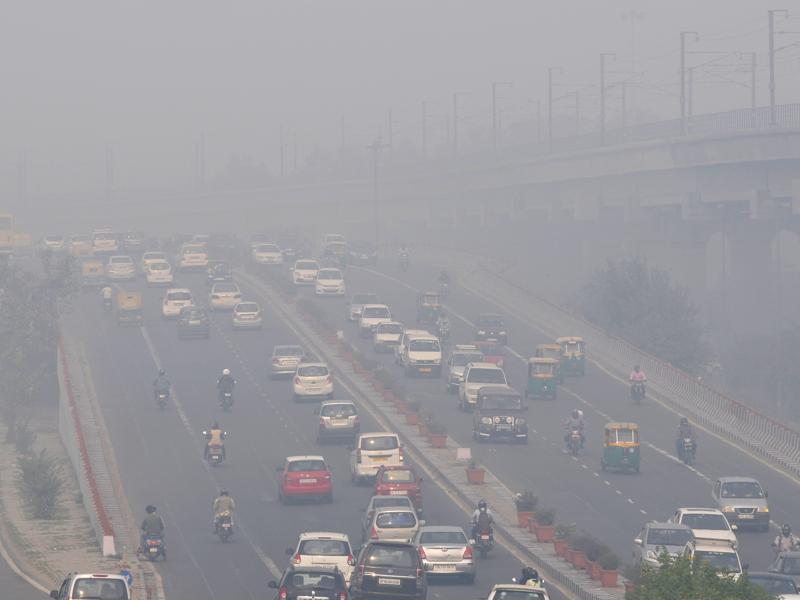
The index, launched by Prime Minister Narendra Modi in April, has not done real-time monitoring of the city’s air quality — worst in the world according to the World Health Organization — since December 14.
In fact, NAQI monitoring stations at IGI airport and Civil Lines have not worked since July 10 while the ITO station has been dead since inception.
The Shadipur, IHBAS and Dwarka stations displayed updated air quality on NAQI website on Monday but these do not record the concentration of particulate matter 10 in the air. PM10 is a major pollutant which can lodge itself deep into lung tissues, increasing chances of respiratory problems like bronchitis.
The Mandir Marg, Anand Vihar, RK Puram and Punjabi Bagh stations were stuck on the data recorded on December 14.
While NAQI is not the only air quality index the country has, it is the only one which displays the overall air quality after computing the concentration of all pollutants. Others like the Delhi Pollution Control Committee (DPCC) and the SAFAR index provide just absolute values for each pollutant.
A reading of these absolute values showed a marginal improvement -- from ‘very poor’ to ‘poor’ -- in Delhi’s air quality over the past week.
The NAQI was developed by IIT Kanpur which also managed it during the initial months. It was handed over to the central government in July.
The index requires very little human intervention and automatically picks up data from different stations, some of which are managed by the DPCC. Officials at the Central Pollution Control Board (CPCB) were trained to work on the system before the handover.
“There seems to have been some problem last week. A few stations are still working. We are looking into it,” a CPCB official said.
Read More:
Inhaling worries: Anger, fear at Delhi’s pollution ground zero
Delhi air pollution situation of an ‘emergency nature’: High Court


