
 E-Paper



Can your name shape your destiny? Meet Grafila, Romanch, Swizzel and more

 Prefer HTon Google


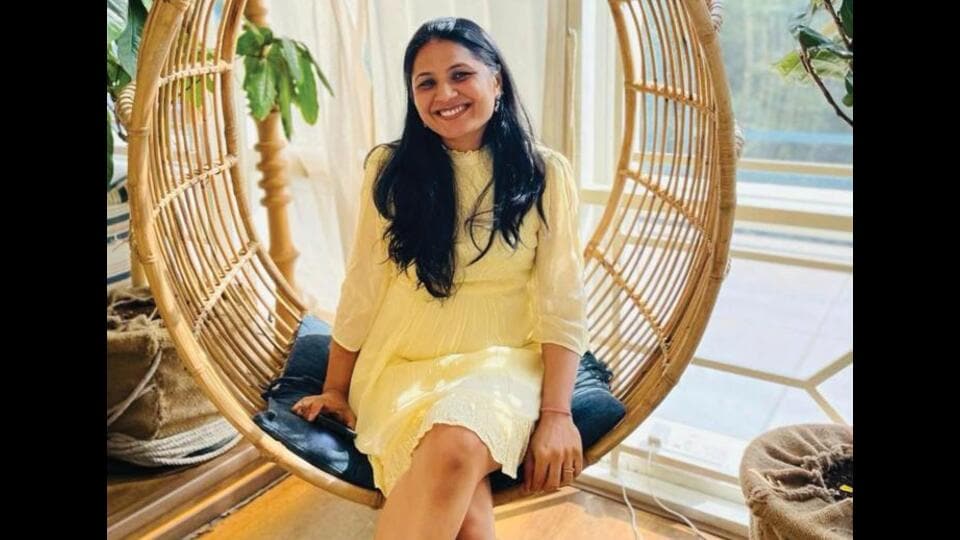
India has no laws against naming children. It means names can be diverse, unique and sometimes, a path to finding your soulmate too. See how some people live with their unusual names
Raise your hand if you know (or are!) an Aryaveer, Ahana, Samaira, Qutdsiya, Hridhaan, Dhairyav or Akaay. And don’t hate your parents. They grew up with Rahuls, Rohits, Nehas, Aditis, Salmans and Kirans. All they wanted was a name that would make their kid stand out. How were they to know that every other parent wanted the exact same thing?
Parents around the world have been picking unusual names, hoping it offers their child an edge in an increasingly competitive world. In some cases, governments have had to step in.
Japanese parents have named their children Akuma (Devil) and Haato (Heart) since the 1990s. More than 4,000 people a year change their names because it’s simply confusing for others. In December 2023, the Japanese set down new stipulations in the Family Register Law that restricts parents from giving their kids kira-kira (shiny, flashy) names. The decree, which goes into effect in two years, requires all first names to be pronounced the way they are read – no wordplay, no outlandish interpretations.
Russia passed a bill in 2017, prohibiting parents from registering baby names that included numerals, symbols, obscene words, titles or abbreviations. It’s a response to babies being named Air Traffic Controller, Lexus, Lettuce and BOChrVF260602 (A Russian abbreviation for Biological human object of the Voronin-Frolov family born on June 26, 2002).
In Iceland, where first names must adhere to local grammar and pronunciation rules, parents can’t name their child Chloe or Camellia – the letter C is not part of the alphabet. Names must also indicate gender. In 2013, Blaer, then 15, went to court for the right to keep her name after authorities told her it wasn’t feminine enough. She won.
In France, a judge refused to let a couple to name their child Nutella. Not only was it a trademarked word, it also made the young citizen vulnerable to humiliation. The court settled on Ella. The parents didn’t attend the hearing.
In Saudi Arabia, the government banned 50 names in 2014. Parents cannot name their children after royalty, use terms that offend the Muslim faith, or are otherwise non-traditional. So no Amir (prince) or Malika (queen), no Malak (angel), no Alice, Elaine, Maya or Linda.
India has no laws when it comes to naming children. It means that our unconventional names are as diverse as our common ones. See how some Indians have given their names the live, laugh, love treatment.
Story time
When the Jain family in Raipur was blessed with a baby girl 37 years ago, they named her Grafila. Jain, a research analyst, says the name came from her maternal aunt, who claimed she’d read about French women who were posthumously accorded the title La Grafi for being the last few to join the armed forces. It’s a sketchy story. Grafi roughly translates to recording or making notes.
Jain says she’s been teased about her name, many people have asked her to change it because “it’s not Indian enough”. “I came very close to changing it in class 8,” she says. “My parents were on board too.” But she stuck with it and has warmed to it since. She hasn’t encountered another Grafila yet. “I love how it is always a conversation starter,” she says.
Swizzel Konduli, a 28-year-old marketing professional, says her parents (from Kerala and Mangalore) picked the name after they encountered it on honeymoon in Goa. Her middle name is Jennifer, but she prefers her first. It’s pronounced Sweez-Ell, so most people get it wrong when they read it. Konduli doesn’t mind. However, having to calmly respond to an aunt who keeps referring to her as Sujeel takes a little more patience.
Shabbir Pardawala, 56, an entrepreneur from Pune, knows how tough it can be to live with a name that makes people do a double take. At his birth, his Bohra parents dutifully asked a relative to approach the religious head of the community for a name. Not quite sure of what he heard, the relative came back with the name Juwair. “Everyone thought it was weird, but no one could contest it,” Pardawala says. As soon as he turned 18, he requested the same chief for a new name and was granted Shabbir. Now, he’s Juwair to those who’ve known him as a child; Shabbir to everyone else. “The mix-up is hilarious,” says his daughter Alifia Pardawala. “When I met some relatives for the first time, they kept asking if I was Juwair’s daughter. I kept denying it because I only knew myself as Shabbir’s daughter!”
Gender benders
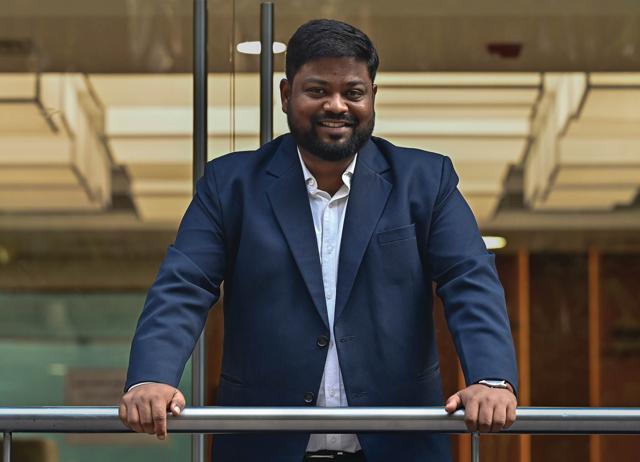
Ashish sounds like a regular enough name. But in the case of Ashish Badshaw, it’s the name of a woman. The 46-year-old PR professional from Mumbai says she’s been quizzed about her first name and teased about her last name for much of her life. The Parsi term (Ashish means blessing) is a handy ice-breaker when she’s networking. But it’s also spawned lengthy landline explanations (“May I speak to Ashish?” “Yes, I am Ashish”) and sceptical looks from railway ticket checkers. She’s never once considered changing it.
Until recently, Sana Siddharth Konnur, 38, had much the same challenge. “My parents named me Santosh,” she says. “But anyone south of Rajasthan would assume I’m male.” It caused years of confusion. Government records would misrecord her as male. Telemarketers would address her as Mr Santosh. When she got married in 2013, Konnur welcomed her mother-in-law’s suggestion to embrace the family tradition of changing the new bride’s first name. Did she pick well? “Now, people hear Sana and assume I’m Muslim!”
For some, an unusual name is a badge of pride. Romanch Rapose, 33, an administrative professional in Mumbai, is aware that his name is just one letter away from Romance, and he’s heard every pun over the years. “Romanch translates to interesting,” he says. His name is just living up to itself.
Flash backs
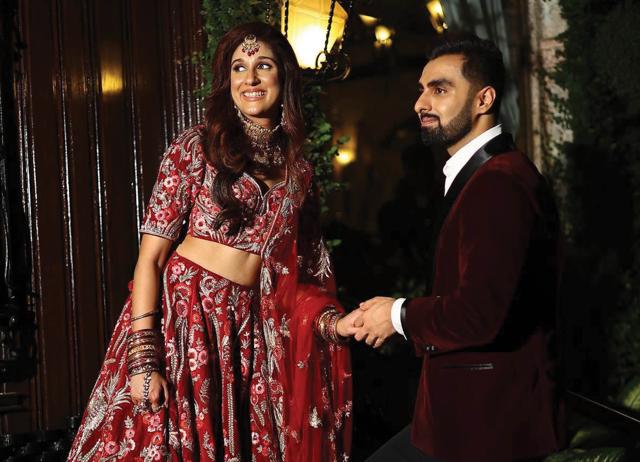
Could an unusual name find you love? Lokeshwar Nath Vora, 33, met Sumangala Verma, 31, on Hinge in London. He was named by his grandfather – Lokeshwar refers to “uniting hell, heaven and earth”. She was named by her grandmother who had visited a temple of the same name. Their old-fashioned names were the first thing they bonded over.
Neither of them considered changing their first names. Vora’s friends call him Loki, his colleagues call him Lokesh. His name doesn’t bother him. “I only found it difficult to spell in when I was a kid.” Verma on the other hand says “in India, people would butcher the pronunciation. In London, people say Sumangala perfectly.”
From HT Brunch, March 2, 2024
Follow us on www.instagram.com/htbrunch


