
 E-Paper



Hanging up: Why phone tech isn’t exciting anymore

 Prefer HTon Google


Phones used to be exciting. Now, each new model feels like the same idea rehashed over and over. Why aren’t innovation and fun part of the specs?
In Kazuo Ishiguro’s 2021 novel, Klara and the Sun, the humanoid robots refer to phones as “oblongs”. Phones have been feeling very oblong-y and uninspiring lately. A Reddit user on the thread r/UnpopularOpinion commented: “I can’t believe we’re all just roaming around with these flat bricks in our hands.”
A decade-and-a-half ago, everyone waited breathlessly for iPhone launches and the friendly fire that would ensue when Samsung tried to one-up their rival. When Samsung introduced curved screen displays in 2013, it felt like the future had arrived. No frill was left unfrilled: Phones came in limited-edition colours, camera upgrades really made a difference, we learnt to swipe-text, open a drawer of apps, use our face to unlock the home screen.
“Every phone that came out then felt brand new,” says Delhi-based tech-content creator Yukti Arora. “Every year gave us bigger touchscreens, fingerprint sensors, dual cameras. Each upgrade changed how we used our devices.”
Then, innovation slowed. Updates became more about boring specs that only gadget nerds cared about. Manufacturers ran out of ways to copy each other. Apple’s iPhone launches have a breathless sameness to them. No one cares which version you have.
American engineer Martin Cooper, who built the first cell phone, called out iPhones as far back as 2015: “They’re struggling each generation to come up with something interesting.” This is what happens when we’ve got all the basics we need – good battery life, voice assistants, fast processors, AI tools. Screens cover the edges of the frame. All phones look the same. It’s all uniformly lame.
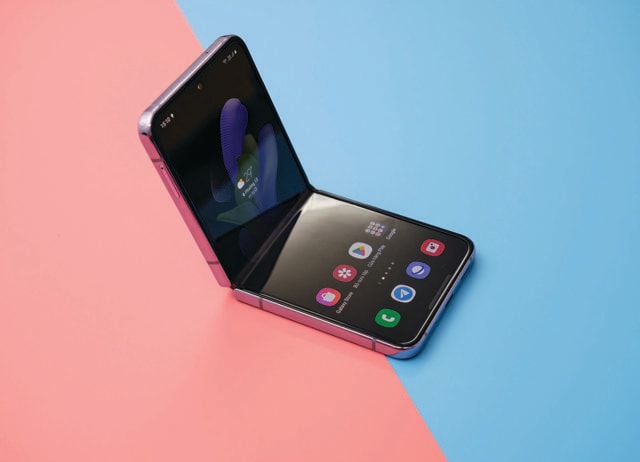
Sure, there are expensive models – a folding one, one with real-time translation features, yet another solid-gold body. But on the whole, new phones have “subtle updates that improve your user experience, but which aren’t immediately visible,” says Arora. “And externally, we have reached the point where most of the hardware feels complete.”
What we want, now, is the stuff of sci-fi-fantasy-cyberpunk mashups. If it were possible, Arora says, she’d “love an adaptive personal assistant that you could actually talk to — something that truly understands your tone, habits, and writing style. Imagine telling your phone what you want to say, and it drafts an email in your exact tone. It would learn how formal or casual you are. Your phone would start to feel like a mini-assistant that ‘gets’ you.”
Here’s our wishlist: Holographic screen projection, floating virtual keyboards, fully transparent design, or the ability to edit videos or add subtitles in real time. We want phones that will show us how an outfit we’re browsing looks on our bodies (and whether the jeans will bunch at the crotch). We want phones to shade-match our 300 selfies against the 12 foundations we’re eyeing so we can buy just one right one. Give us a taser and video projector as an add-on. Allow us to swap only the parts of our phone that we want to upgrade, rather than wastefully giving up the whole thing. Give us screens that can’t be viewed from the side, so we can scroll brainrot on the Metro without commuters peeking.
Or at least give us a phone that can “automatically mute notifications or incoming calls when they sensed the stress in your voice”, Arora says.
Call me, maybe? Movie phones we’ve loved
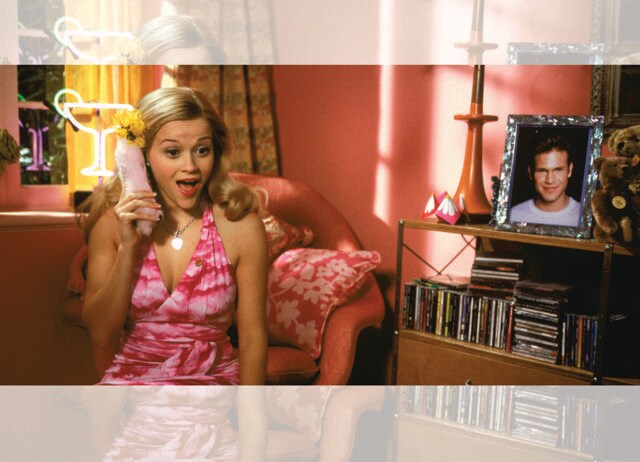
Faux fur phone, Legally Blonde (2001). Of course, Elle Woods’s phone would be pink and impractical. The modified V-Tech phone had a fur trim and crystal rhinestones. We’ll still call this lawyer if we’re stuck.
Transparent phones, Minority Report (2002). They were sleek and glossy, they responded to ultra-haptic gestures, and could project larger-than-life visuals. Director Steven Spielberg commissioned MIT’s Media Lab to dream up believable tech for 2054. It looks legit.
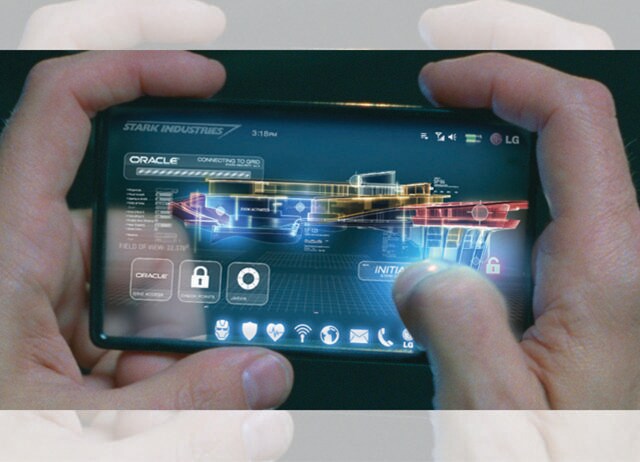
Holographic phone, Iron Man 2 (2010). The glass smartphone was compact, but as hardworking as Tony Stark. It could project data into the air and had face and voice recognition years ahead of any authentication tech.
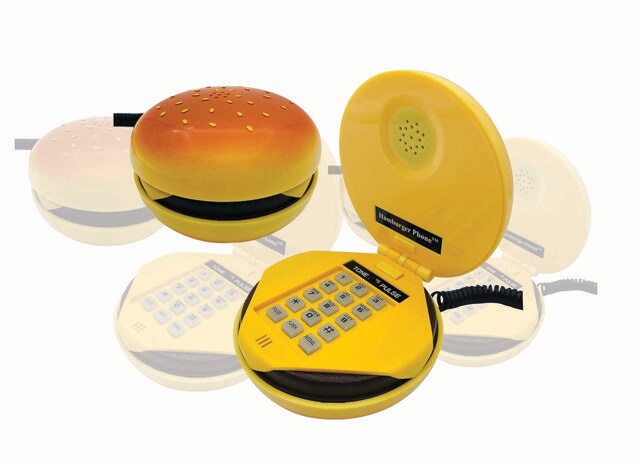
Burger phone, Juno (2007). The bun opened up to reveal the keypad and voice panel. Juno, too young to be a mom but pregnant anyway, uses it to schedule an abortion. A subtle nod to the fact that’s she’s still a kid herself. A major pop-culture moment.
Shoe phone, Get Smart (1965-1970). Sure, it lampooned James Bond’s complicated spy devices. But the ridiculous phone-embedded-in-a-shoe had its own aura. The opening scene – Maxwell Smart’s “shoe” ringing loudly in the theatre – is comedy at its finest.


