
 E-Paper



Can you bake with artificial sweetener? Is jaggery in chai, coffee with dates better than white sugar? Dr Patil explains

 Prefer HTon Google


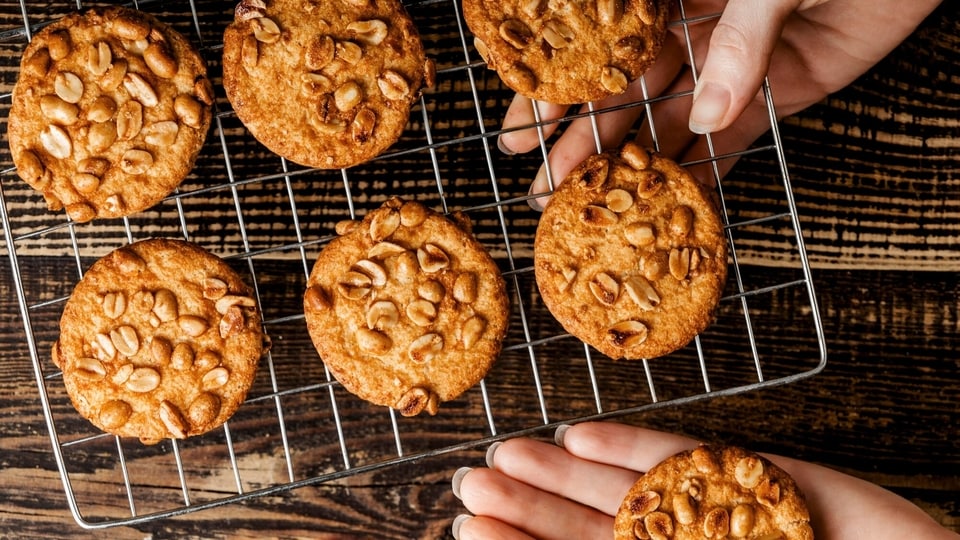
HT Health Talk: Swapped sugar for jaggery or dates in biscuits, tea or coffee? Here’s what Dr Patil says about ‘healthy’ sweeteners, crashes, and hidden sugars.
Whether it is swapping a spoonful of refined white sugar for raw jaggery in your morning chai or blending medjool dates into your espresso, the quest for 'guilt-free' sweetness has dominated modern wellness culture. But does ditching table sugar for natural alternatives actually safeguard your health, or are we just sugarcoating the exact same calorie trap? Also read | HT Health Talk: Bengaluru dietician answers all your burning questions about the right food for weight loss
In this week’s edition of HT Health Talk, a reader-centric digital initiative by Hindustan Times Lifestyle, Dr Rohini Patil — author, nutritionist, and founder of Nutracy Lifestyle — demystifies the science of natural sweeteners, artificial substitutes, blood sugar spikes, and how to intelligently navigate everyday cravings.
Many believe unrefined sweeteners are a free pass against diabetes and weight gain. According to Dr Patil, the source may change, but the body’s response to added sugar doesn’t. That post-snack energy rush followed by sluggishness and hunger proves it. She also addresses the growing questions around zero-calorie and artificial sweeteners — do they change with heat, and are they safe for everyday cooking and baking? Also read | Dietitian ranks popular sweeteners on a scale of 1 to 10: Stevia, monk fruit to honey, brown sugar, jaggery, dates
1. Can I sweeten my coffee with dates instead of sugar, and what kind of dates should I use?
A. Yes, you can use dates to sweeten your coffee instead of refined sugar. Dates are naturally sweet and also contain small amounts of fibre, potassium, magnesium and antioxidants. They do, however, still contain natural sugars, so watch your portion size. Medjool dates are especially good for coffee because they are soft, naturally caramelised and sweeter, so you need less. You can blend ½- 1 small date into your coffee or make a date paste for easier mixing. For those who prefer something less sweet, Deglet Noor dates are a good option. Just remember that swapping sugar for dates doesn’t make your coffee “sugar-free”, just a more nutrient-dense sweetening option.
2. Is regular sugar really worse for me than natural options like honey or maple syrup?
A. All regular sugar, honey, and maple syrup are all types of added sugar, so none of them should be considered entirely "healthy". Honey and maple syrup provide small amounts of antioxidants and minerals, but the nutritional differences are small, especially at typical serving sizes. You still get sugars, which can lead to taking in too many calories and impact blood glucose when you eat them often or in large amounts. The better way to approach this is to focus on quantity and frequency rather than swapping sweeteners. If you enjoy honey or maple syrup, use them sparingly and go for minimally processed options. Whole fruits are a more nutrient-rich choice for everyday sweetness.
3. Why do I feel an energy crash after eating sugary foods, and how do I prevent it?
A. Sugary foods cause a rapid rise in blood glucose, followed by a large insulin response and a blood glucose crash. This could leave you feeling tired, hungry, irritable or unfocused. To reduce these fluctuations, don't eat sugary foods on their own. Combine carbs with protein, healthy fats, or fibre, such as fruit, nuts, or yoghurt. Eat whole fruit instead of juice. Cut back on refined sweets and sugary drinks. Eat whole fruit instead of juice. Avoid refined sweets and sugary drinks. Eat regularly. balanced meals. You can also drink water, get enough sleep and exercise to help maintain steadier energy levels throughout the day.
4. What really happens chemically when you heat up artificial sweeteners in your morning tea, coffee, or baked goods like cakes and biscuits?
A. Artificial sweeteners do not undergo one universal chemical reaction when heated. It depends on the particular sweetener. Some, such as sucralose, are relatively heat-stable but may undergo chemical degradation under some high-temperature conditions. Aspartame is less heat-stable and can break down during prolonged heating. Other sweeteners like saccharin, acesulfame-K and steviol glycosides generally have better heat stability. Temperature, moisture, acidity and cooking time all affect stability in baked foods. So check the manufacturer’s suggested use for cooking or baking. For everyday tea or coffee, it is usually preferable to use a suitable heat-stable sweetener in moderate amounts rather than assuming that all artificial sweeteners are the same.
5. What is the easiest way to spot hidden sugars on packaged food labels?
A. The quickest way to catch hidden sugars is to read the ingredient list, not just glance at the front of the package. Watch for names like sucrose, glucose, fructose, dextrose, maltose, corn syrup, rice syrup, malt syrup, honey, jaggery, and fruit concentrates. Since ingredients are listed by weight, seeing several sugar sources near the top indicates the product likely contains a good amount. The nutrition panel’s 'total sugars' and 'added sugars' lines are worth checking too. Don’t fall for claims like ‘natural’, ‘organic’, or ‘no refined sugar’ – none of those mean the item is sugar-free. A simple trick is to compare similar options and pick the one with less added sugar and more fibre or protein (that combo tends to be a better choice).

6. Will switching to jaggery or coconut sugar help lower my risk of diabetes?
Substituting jaggery and coconut sugar for refined sugar does not reduce your risk of diabetes significantly. Yes, jaggery and coconut sugar contain some minerals, and their impact on blood glucose may differ, but they still have a lot of sugar and calories. The problem is that regularly consuming large amounts of any type of added sugar will increase your daily calorie intake and impair your ability to regulate your blood glucose levels. However, what really counts is not the type of food but its overall quality and portion size, exercise, proper weight, sufficient sleep, and, when possible, reducing added sugar consumption. If jaggery and coconut sugar are your favourites, you are free to consume them from time to time in moderate quantities. Just don't consider them a protection against diabetes.
7. Are zero-calorie artificial sweeteners bad for my long-term health?
Artificial sweeteners that contain zero calories are not necessarily harmful for good health. Certain approved sweeteners, such as stevia, sucralose, aspartame, and acesulfame-K, are deemed safe for consumption within the prescribed acceptable daily intake range. Nonetheless, scientific information regarding their long-term effects is still being discovered, especially with regard to the gut microbiota, appetite, and metabolism. Certain studies have linked the use of artificial sweeteners to certain diseases; nevertheless, this does not mean that artificial sweeteners are responsible for these conditions. For most people, they could serve as a way to reduce added sugar consumption.
8. How much sugar or sweetener is actually safe to eat every day?
While there is no universal safe quantity of sugar or sweeteners that can be consumed by everybody, added sugar consumption needs to be minimised. According to the WHO (World Health Orgasination), total consumption of free sugars needs to be maintained at less than 10 percent of energy intake, which can also be reduced to less than 5 percent – about 25 grams or 6 teaspoons of sugar per day – for greater health benefits when following a 2,000-calorie-per-day diet. Free sugars include sugar, honey, syrups and sugars from sweetened products. The safety of each individual type of non-sugar sweetener depends on the acceptable daily intake.
9. Can transitioning to 'healthy' natural sugars help curb sugar dependency, or do they trigger the same cravings as processed sugar?
Switching to 'natural' sweeteners such as honey, jaggery, maple syrup, or coconut sugar may feel like a healthier transition, but they still contain sugars and can maintain a preference for sweet tastes. They are metabolised differently in some respects, but they can still stimulate reward pathways associated with sweet foods and may reinforce cravings when consumed frequently. The better strategy is to gradually reduce the overall sweetness of your diet. Try using smaller amounts of sweeteners, choosing whole fruits for sweetness, and pairing carbohydrates with protein and fibre to improve satiety. Over time, your taste buds can adapt, making naturally less-sweet foods more satisfying.
10. What is the healthiest way to add a bit of sweetness to my food or drinks without using table sugar?
The best way out is to cut down on your sweet tooth rather than finding other ways of making something sweet. Natural sources of sweetness include whole fruits such as bananas, berries, apples, dates or ripe mango. In dishes such as oatmeal, yoghurt, juices, and desserts, one can use fruit as a source of sweetness along with fibre and vitamins. For drinks, one could add a little cinnamon, vanilla, cardamom, or unsweetened cocoa to increase their sweetness without adding any sugar. One may also use a small amount of stevia to keep the calories low.
About the expert
Dr Rohini Patil is an MBBS doctor, clinical nutritionist, author, and entrepreneur with more than nine years of experience in metabolic and lifestyle health. She focuses on women’s health, weight management, and preventive nutrition, and is the founder and CEO of Nutracy Lifestyle and Nutracy Academy.
Note to readers: This article is for informational purposes only and not a substitute for professional medical advice. Always seek the advice of your doctor with any questions about a medical condition.


Catch your daily dose of Fashion, Taylor Swift, Health, Festivals, Travel, Relationship, Recipe and all the other Latest Lifestyle News on Hindustan Times Website and APPs.


