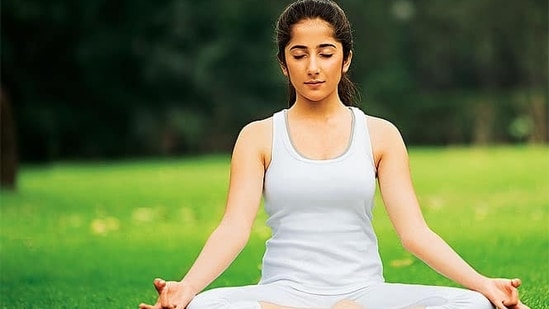
For a long time, wellness was associated with relief: easing stress, improving sleep, managing weight, or taking time away from a demanding routine. That remains important, but the conversation is now moving towards a more ambitious question: how can we help the body retain, or regain, its ability to repair, adapt, and function well?
This is where regeneration is entering the wellness lexicon
Regenerative wellness is not about promising immortality or reversing age. “It is about supporting the body’s natural capacity for holistic renewal through everyday behaviors, preventive care, nutrition, meditation, naturopathy, yoga, and better understanding of individual biology,” Dr Shanthi Ganga, Resident Ayurveda Doctor, Swastik Wellbeing, tells Health Shots. The idea brings together nutrition, movement, sleep, emotional health, traditional systems of medicine, and emerging research on cellular aging.
The momentum behind this shift is visible in the size of the wellness economy. According to the Global Wellness Institute, the global wellness economy reached US$6.8 trillion in 2024, growing 7.9% in a single year. It has doubled since 2013 and is projected to approach US$9.8 trillion by 2029. Wellness is no longer a niche lifestyle category; it represents 6.12% of global GDP. Mental wellness and wellness real estate are among the fastest-growing sectors, suggesting that people are investing not only in treatments, but also in environments and habits that support long-term health.
Can damaged liver cells regenerate?
Yet the word “regeneration” needs to be used responsibly. Human tissues do have different capacities for renewal. The gut lining renews rapidly, the liver can regenerate substantially after injury, and bones and muscle continually respond to use and nourishment. But regeneration is not the same as repair, and neither means that every form of damage can be reversed. Biology is powerful, but it has limits.
Modern aging research has clarified this distinction. These are not isolated switches you can turn on or off with a single supplement or therapy. Sleep, metabolic health, physical activity, stress, diet, environmental exposure, and social connection influence them.
What is Ayurveda and how does it approach health and wellness?
For me, this is where Ayurveda can contribute meaningfully. Ayurveda has traditionally viewed health as an ongoing relationship between the individual and their daily rhythm, food, digestion, rest, activity, season, and emotional state. Its emphasis on prevention, balance, and individual constitution is relevant to today’s interest in personalized wellness. However, it should not be presented as a shortcut or as a replacement for appropriate medical care. Traditional knowledge gains greater value when practiced carefully, evaluated honestly, and integrated with contemporary clinical understanding.
{{/usCountry}}For me, this is where Ayurveda can contribute meaningfully. Ayurveda has traditionally viewed health as an ongoing relationship between the individual and their daily rhythm, food, digestion, rest, activity, season, and emotional state. Its emphasis on prevention, balance, and individual constitution is relevant to today’s interest in personalized wellness. However, it should not be presented as a shortcut or as a replacement for appropriate medical care. Traditional knowledge gains greater value when practiced carefully, evaluated honestly, and integrated with contemporary clinical understanding.
{{/usCountry}}India is well placed to shape this conversation. The country has a large base of Ayurveda practitioners, a living tradition of yoga and meditation, and growing public interest in preventive health. NITI Aayog notes that India has more than 355,000 trained Ayurveda practitioners and that it exports Ayurvedic products to around 150 countries. Ayush exports rose from US$1.09 billion in 2014 to US$2.16 billion in 2023. These figures reflect growing global interest, but they also bring responsibility. The expansion of Ayurveda and wellness must be accompanied by quality standards, qualified practitioners, sound evidence, and transparent communication.
What is the best diet to slow down aging?
The most useful form of regenerative wellness may therefore be less dramatic than the market sometimes suggests. It may mean building strength gradually, eating in ways that support metabolic health, protecting sleep, maintaining social relationships, managing stress before it becomes an illness, and seeking medical attention early. It may involve measuring what is measurable, while accepting that not every important change can be reduced to a number.
Regeneration, ultimately, should not become another pressure to optimize every aspect of life. It should help us return to a more sustainable understanding of health: the body is not a machine to be constantly upgraded, but a living system that needs rhythm, care, and time. The real promise of regenerative wellness lies not in chasing youth, but in protecting our capacity to participate fully in life as we grow older.
(Disclaimer: This article is for informational purposes only and is not a substitute for professional medical advice. Always seek the advice of your doctor with any questions about a medical condition.)
Catch your daily dose of Fashion, Taylor Swift, Health, Festivals, Travel, Relationship, Recipe and all the other Latest Lifestyle News on Hindustan Times Website and APPs.
Catch your daily dose of Fashion, Taylor Swift, Health, Festivals, Travel, Relationship, Recipe and all the other Latest Lifestyle News on Hindustan Times Website and APPs.