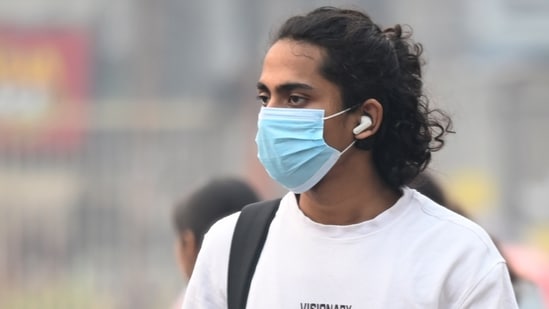
Rising air pollution has been a major concern for weeks, and it is mostly associated with respiratory and cardiovascular concerns. However, Dr Monika Gupta, IVF specialist and centre head at Kailash IVF, Noida, shared with HT Lifestyle that a growing body of research now points to the reproductive system as another area of risk.
Also Read | Doctor explains everyday dizziness: Common causes and when to seek medical care
“According to IQAir's World Air Quality Report 2025, Delhi recorded an annual average PM2.5 concentration of 99.6 µg/m³, nearly 20 times the World Health Organisation's guideline of 5 µg/m³,” stated Dr Gupta.
“These fine particles are small enough to enter the bloodstream, where they can trigger oxidative stress and inflammation, both of which researchers link to damage in eggs and sperm,” she explained.
The doctor pointed out that exposure to polluted air is not confined to the smog weeks of October and November; it builds across months. “Reproductive cells develop over similar timelines, with sperm, for instance, taking roughly three months to mature,” stated Dr Gupta.
{{/usCountry}}The doctor pointed out that exposure to polluted air is not confined to the smog weeks of October and November; it builds across months. “Reproductive cells develop over similar timelines, with sperm, for instance, taking roughly three months to mature,” stated Dr Gupta.
{{/usCountry}}What does the evidence suggest?
Dr Gupta stated that there have been signs that male fertility has been affected by air pollution. She cited a Danish study published in the BMJ in 2024, titled Long-term exposure to road traffic noise and air pollution and risk of infertility in men and women.
The study found that a 2.9 µg/m³ rise in average PM2.5 exposure over five years was associated with a 24 percent greater risk of infertility among men aged 30 to 45.
According to Dr Gupta, the finding is particularly concerning, because the air in Denmark is far cleaner than the air in areas like Delhi NCR. “Among women, research has linked PM2.5 exposure to lower ovarian reserve and weaker results in IVF cycles, particularly in terms of fertilisation and embryo quality,” she added.
The IVF specialist did point out that these findings need to be read with care, since most of the studies are observational, the effect sizes are modest, and fertility is shaped by age, weight, smoking, stress, nutrition and underlying medical conditions long before air quality enters the picture.
“Pollution is better understood as an added burden on reproductive health than as a standalone cause of infertility. Even so, exposure is so widespread in parts of India that a small effect in each individual can translate into a meaningful number of couples affected,” she stated.
What couples can do to maintain reproductive health
According to Dr Gupta, the practical response is early assessment and informed precaution rather than alarm.
“Couples who have been trying to conceive for a year, or for six months where the woman is 35 or older, should seek a fertility evaluation that includes both partners, since male factors account for a substantial share of cases,” she stated.
“Those planning a pregnancy can also reduce exposure by tracking the daily AQI, limiting strenuous outdoor activity on severe days, using a well-fitted N95 mask outdoors and running a HEPA (high-efficiency particulate air) purifier at home during the peak season,” suggested the doctor.
There are other factors that remain important when it comes to fertility which are under a couple’s own control. They include avoiding smoking, maintaining a healthy weight and managing sleep and stress.
Note to readers: This article is for informational purposes only and not a substitute for professional medical advice. Always seek the advice of your doctor with any questions about a medical condition.
Catch your daily dose of Fashion, Taylor Swift, Health, Festivals, Travel, Relationship, Recipe and all the other Latest Lifestyle News on Hindustan Times Website and APPs.
Catch your daily dose of Fashion, Taylor Swift, Health, Festivals, Travel, Relationship, Recipe and all the other Latest Lifestyle News on Hindustan Times Website and APPs.