
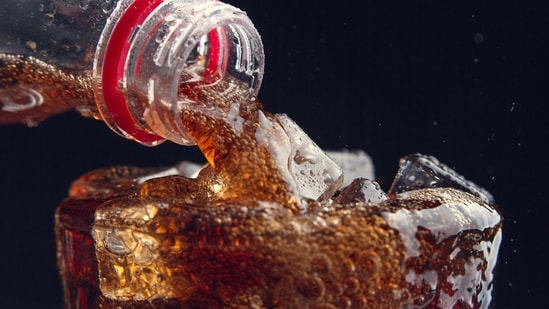
Zero-sugar drinks are in demand among fitness enthusiasts looking to cut back on sugar and calories. Switching from your usual fizzy drinks to their zero-sugar version may seem like a simple way to do both. But what gives the drink its sweetness, and is it a healthier choice if you choose to have it every day?ALSO READ: Sweets before breakfast or after lunch: Endocrinologist explains when blood sugar spikes are lower
HT Lifestyle spoke to a clinical nutritionist and two beverage industry experts to understand what goes into zero-sugar drinks and how they may affect the body. The nutritionist revealed how artificial sweeteners may affect blood sugar and insulin levels, while industry experts shared what to look for on the label, even when a drink is marketed as ‘healthy.’
What happens when you switch to zero-sugar drinks
When does it make sense to choose a zero-sugar drink? Sonal Chandalia, clinical nutritionist at Jaslok Hospital and Research Centre, Mumbai, said that if you usually have a small serving of a regular soft drink, switching to the small amount of its zero-sugar version can be a better option. However, she cautioned that if you sip zero-sugar drinks throughout the day as you would water, you may end up consuming larger amounts of non-nutritive sweeteners.
Describing when sweeteners can be harmful and when they are tolerable, she elaborated, “Non-nutritive sweeteners, if artificially produced, do not offer calories and so help in cutting caloric intake. They do not raise blood glucose levels, as they are compounds that are digested and excreted by the gut without being absorbed. They tend to not raise insulin levels either as they are not perceived as food. Yet, if the sweetener has maltitol or maltodextrin as a bulking agent, it would raise blood glucose levels and likely impact insulin levels concomitantly. These accompanying agents tend to be hidden sugars in the zero-sugar product and need to be taken into account.”
{{/usCountry}}Describing when sweeteners can be harmful and when they are tolerable, she elaborated, “Non-nutritive sweeteners, if artificially produced, do not offer calories and so help in cutting caloric intake. They do not raise blood glucose levels, as they are compounds that are digested and excreted by the gut without being absorbed. They tend to not raise insulin levels either as they are not perceived as food. Yet, if the sweetener has maltitol or maltodextrin as a bulking agent, it would raise blood glucose levels and likely impact insulin levels concomitantly. These accompanying agents tend to be hidden sugars in the zero-sugar product and need to be taken into account.”
{{/usCountry}}Many people are in the habit of consuming zero-sugar drinks that claim to contain zero calories, especially if they are in a calorie deficit. But the dietician warned that consuming these drinks in large quantities would slightly alter the gut flora because of the bulking agents they contain.
She noted, "If the zero-sugar beverage does not contain any other sugar base, it would then not exert any impact on the gut biome balance. It mainly pertains to the amount and duration of consumption of such products.”
Are artificial sweeteners safe for daily consumption?
There are sweeteners like aspartame, sucralose and acesulfame potassium, and one wonders if they are safe for daily consumption, but the dietitian stated that these are ‘non -nutritive sweeteners’ which are manufactured artificially.
On the safety of artificial sweeteners, Chandalia said, “These are safe to consume within the acceptable daily intake amounts per day.” She added that total intake matters, since the same sweetener may be present in several foods and drinks consumed throughout the day.
For people with kidney disease or hyperkalaemia (high blood potassium levels), Chandalia advised avoiding acesulfame-K. She described sucralose as generally safe within the acceptable daily intake but advised caution during pregnancy and when giving it to infants and children.
Can zero-sugar drinks help with weight management?
To some limited extent, zero-sugar drinks are believed to help, but it depends on lifestyle.
Chandalia added, “Zero-sugar drinks may help in weight management to a limited extent. They have to be prescribed carefully and not indiscriminately. If one has a lot of travel and a very unpredictable lifestyle, then for weight management for a short period one may use the correct zero-sugar beverage as a tool. This would help jump-start and motivate the process and improve adherence as well as help avoid high-caloric intake with social drinking."
At the same time, she flagged absolute dependence on zero-sugar drinks in the long term.
Why are more young Indians switching to zero-sugar drinks?
Karan Nohria and Rashi Oberoi, founders of SIX6R, a sparkling water brand, shared that young Indians are becoming more health-conscious, which is shaping their drinking habits. They said young consumers are more aware of how sugar may affect their energy levels, skin, sleep and long-term health. The founders attributed some of this awareness to growing up watching parents and other relatives manage diabetes from a relatively young age.
But aside from health factor, Nohria revealed that drinking habits have changed,“People now reach for a drink at their desk, after a workout or at a dinner where they’ve chosen not to drink alcohol. In those moments, a 35–40 gram sugar hit doesn’t make sense anymore. This generation also reads labels and questions ingredients in a way earlier ones didn’t.”
So the switch isn’t about giving something up. People want a drink that fits how they actually live.
Oberoi further mentioned a shift that is being noticed industry-wide: “What we’re seeing is a move from ‘less sugar’ to ‘less sweet.’ Younger consumers especially are drifting toward drinks that are lighter, more refreshing and closer to water. Flavoured sparkling water, cold-pressed options and unsweetened teas all fit that pattern. Zero-sugar sodas have been a useful bridge for people moving away from full-sugar drinks. But for a lot of people, they’re a stop along the way."
The real change is in palate. Once people get used to drinks that aren’t intensely sweet, they rarely go back. So the question has changed; now people can turn the can around and see what is making it taste sweet. Many zero-sugar drinks are the same soft drink with the sugar swapped for sweeteners, and consumers are starting to see that distinction.
Oberoi further added, “Read the ingredient list, not just the front of the pack. ‘Zero sugar,’ ‘no added sugar’ and ‘low calorie’ mean different things. A shorter list you can understand is usually a good sign."
Next, Nohria shared what exactly to check in labels: “Check for sweeteners. Packaged foods in India must declare the presence of artificial sweeteners on the label, so look for that statement. Also look for INS numbers such as 950, 951 or 955, or names like sucralose, aspartame and acesulfame potassium.”
This means ‘no added sugar’ isn’t the same as ‘no sugar.’ Fruit juice concentrates and sugar alcohols such as sorbitol or maltitol can still be in there. Look at the per-serving numbers. Check sugar, calories and sodium for the full can or bottle, not just per 100 ml. Notice the extras. Caffeine, preservatives and acids matter if this is something you drink every day.
Note to readers: This article is for informational purposes only and not a substitute for professional medical advice. Always seek the advice of your doctor with any questions about a medical condition.
ABOUT THE AUTHOR
Adrija Dey’s proclivity for observation fuels her storytelling instinct. As a lifestyle journalist, she crafts compelling, relatable narratives across diverse touchpoints of the human experience, including wellness, mental health, relationships, interior design, home decor, food, travel, and fashion that gently nudge readers toward living a little better. For her, stories exist in flesh and bones, carried by human vessels and shaped through everyday endeavours. It is the small stories we live and share that make us human. After all, humans and their lores are the most natural and raw repositories of stories, and uncovering them, for her, is akin to peeling an orange under a winter afternoon sun. Always up for a chat, she believes the best stories come from unfiltered yapping, where "too much information" is kind of the point. A graduate of Indraprastha College for Women, University of Delhi, and an alumna of the Indian Institute of Mass Communication (IIMC), Delhi, Adrija spends her idle hours cocooned with herbal tea and a gripping thriller, scribbling inner monologues she loosely calls poetic pieces, often with her succulents in attendance. On lazier days, she can be found binge-watching, for the nth time, one from her comfort-show holy trinity: The Office (US), Brooklyn Nine-Nine, or Modern Family. Dancing by herself to her peppy playlists, however, is an everyday ritual she swears by religiously.
Catch your daily dose of Fashion, Taylor Swift, Health, Festivals, Travel, Relationship, Recipe and all the other Latest Lifestyle News on Hindustan Times Website and APPs.
Catch your daily dose of Fashion, Taylor Swift, Health, Festivals, Travel, Relationship, Recipe and all the other Latest Lifestyle News on Hindustan Times Website and APPs.