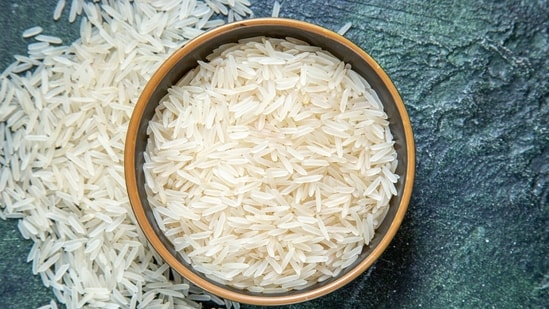
Rice is a staple in Indian meals, served at home and packed in lunchboxes by officegoers. But for some people, a plate of rice is followed by lethargy and the urge to nap. Why does this happen, and does eating roti leave you feeling less sleepy? What role do portion size and meal balance play? What does nutrition science say, and how simple changes to your meals and daily habits may help?ALSO READ: How to balance both protein and fibre needs in your diet? Expert shares the common ground
Dr Eileen Canday, the head of the Department of Nutrition and Dietetics at Sir H.N. Reliance Foundation Hospital, described why some people feel sleepy after eating rice.
Why do you feel sleepy after eating rice?
Sleepiness after eating rice can stem from a variety of factors. The expert attributed it to the amount and type of rice consumed, the cooking method, and the accompanying foods. This means you are not necessarily bound to feel sleepy after eating rice. The dietician explained that one rice-based meal may leave you feeling sleepy, while another may leave you feeling energetic.
Why might rice make you sleepier than roti?
You may notice that rice makes you feel sleepier than roti. This comes down to their nutritional composition, especially the different glyceamic indices of the two foods.
{{/usCountry}}You may notice that rice makes you feel sleepier than roti. This comes down to their nutritional composition, especially the different glyceamic indices of the two foods.
{{/usCountry}}“White rice has a higher glycemic index than whole wheat roti. It means that the rice is easily digested and absorbed by the body and hence the rapid rise in the amount of blood glucose. Consequently, the body releases insulin in large amounts to counteract the increase in blood sugar level,” Dr Canday provided a breakdown.
Aside from digestion, blood glucose changes, and insulin release, tryptophan, serotonin, and melatonin may also play a role. Describing how they may contribute to drowsiness, she said, "A high-carbohydrate, lower-protein meal which a large rice portion with minimal dal or protein, often can make it easier for tryptophan to cross into the brain, subtly nudging drowsiness along. Roti, being lower GI and typically eaten with more fibre from the bran, digests more slowly and produces a gentler, more sustained glucose curve, so the energy dip is less pronounced.”
Does portion size matter?
The expert added that portion size and meal composition matter just as much as the grain itself. What does a balanced meal look like? The dietitian also cautioned against a large plate of rice without any protein and vegetables. It will make you sleepier. The portion should be balanced with dal, curd, and veggies. Rice, when eaten with fibre, does not make you sleepy.
Should you avoid rice?
Rice is vilified for its high glycemic index and perceived links to weight gain, blood sugar changes, and sleepiness. So, what is the verdict? Should you remove rice from your diet? The expert advised against a blanket ban, recommending that rice be eaten as part of a balanced meal. Pairing it with protein sources such as dal, curd, paneer, eggs or fish, along with fibre-rich vegetables, can slow digestion and help blunt the glucose spike.
Similarly, make sure you eat slowly instead of gulping down your food. The expert also advised against very large midday meals. She emphasised that feeling sleepy after eating rice does not make the grain ‘good’ or ‘bad’; it has more to do with the composition of the overall meal and how you eat it.
Note to readers: This article is for informational purposes only and not a substitute for professional medical advice. Always seek the advice of your doctor with any questions about a medical condition.
Catch your daily dose of Fashion, Taylor Swift, Health, Festivals, Travel, Relationship, Recipe and all the other Latest Lifestyle News on Hindustan Times Website and APPs.
Catch your daily dose of Fashion, Taylor Swift, Health, Festivals, Travel, Relationship, Recipe and all the other Latest Lifestyle News on Hindustan Times Website and APPs.