
 E-Paper



From raw quail eggs to cottage cheese: Inside Russian President Vladimir Putin’s high-protein, low-sugar diet at age 73

 Prefer HTon Google


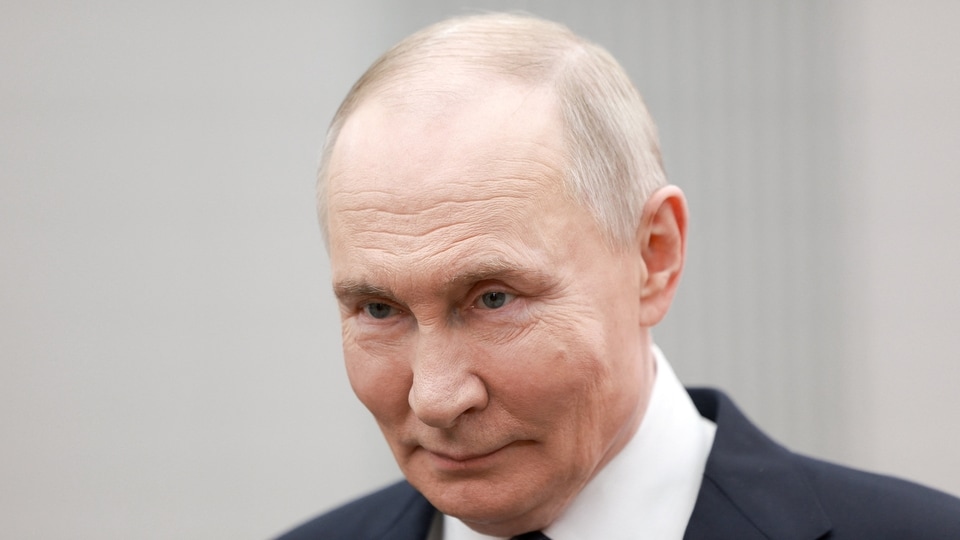
The 73-year-old leader relies on tvorog, porridge and raw quail eggs as part of a low-sugar diet that helps him maintain steady energy.
Russian President Vladimir Putin arrives in India for a two-day summit this week, and the visit has prompted another round of curiosity about how he maintains his health at 73. His diet, often referenced in Russian state media, remains one of the few recurring details about his routine.
A look at what the Russian President eats in a day
Russia Beyond has previously outlined what the president typically eats. Breakfast is the most consistent part of his day. He starts with porridge. Alongside it, a serving of tvorog - a traditional fermented Eastern European fresh cheese - is usually mixed with honey. He follows that with raw quail eggs, taken as a drink rather than cooked. A mix of Beetroot and horseradish juice also features in his breakfast.
He does not consume many sweets. Honey appears to be the main regular sugar source, while ice cream is something he said he eats “from time to time.” In an earlier conversation, Putin noted he prefers rice and buckwheat but has little interest in oats, per Russia Beyond.
Vegetables are a constant. Tomatoes, cucumbers, salad. Between fish and meat, he has said he picks fish, with lamb as another preference. His schedule shapes the rest of the day. In the afternoon, he may have fruit or kefir if available. Dinner is often skipped entirely. When travelling, he tries local dishes but keeps quantities low.
Why nutrition researchers say breakfast fits current science
High-protein meals like the one Putin follows at the start of the day match several findings in nutrition studies. A 2013 study shows that protein-heavy breakfasts trigger stronger satiety responses, with hormones such as PYY and GLP-1 rising more sharply than after carbohydrate-heavy meals.
Another study found a decline in evening snacking among participants who regularly consumed protein-rich breakfasts.
Also read: Ahead of Putin's visit, Delhi on high alert: SWAT teams, snipers deployed across capital
Concerns around skipped meals
But his habit of going long periods without food creates a different metabolic pattern. A 2025 research paper has linked meal skipping to higher glucose spikes at the next meal. A separate study from 2018 showed that uneven meal timing, especially skipping breakfast, increases glucose and insulin fluctuations.
Note to readers: This article is for informational purposes only and not a substitute for professional medical advice. Always seek the advice of your doctor with any questions about a medical condition

Catch your daily dose of Fashion, Taylor Swift, Health, Festivals, Travel, Relationship, Recipe and all the other Latest Lifestyle News on Hindustan Times Website and APPs.


