Does healthy skin really need a shelf full of products? For years, skincare advice has encouraged consumers to build increasingly elaborate routines, layering cleansers, toners, essences, serums, exfoliants, and moisturizers. Yet the number of products in a routine tells us very little about how well it supports the skin.
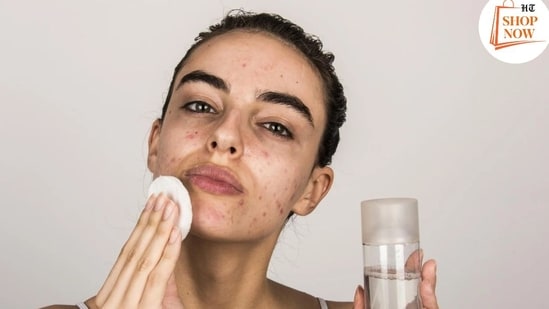
A more useful starting point is to ask what the skin actually needs. Is it dry, acne-prone, sensitive, or showing uneven pigmentation? Does each product address a specific concern, or does it duplicate something already in the routine? This is the principle behind need-based skincare: choosing products with a clear purpose and using them consistently.
A growing market and more complex choices
India’s skincare market continues to expand. Euromonitor International’s May 2026 Skin Care in India report recorded 13% value growth in 2025, reaching ₹32,210 crore in retail sales.
- Mintel research published in August 2024 found that 23% of Indian Gen Z consumers aged 18–27 struggled to select suitable skincare products. It also found that 33% were increasingly prioritizing lifestyle changes, such as healthier diets and better sleep, over products to manage their skin concerns.
- These findings point to consumer uncertainty and a broader interest in skin health. They do not, by themselves, establish that elaborate routines are disappearing. Instead, they highlight the need for clearer guidance about which products are useful, for whom, and why.
What minimal skincare really means?
Minimal skincare has no fixed number of products. Someone with healthy, comfortable skin may need only a basic routine, while someone with acne, rosacea, or pigmentation may need several complementary treatments. The aim is to remove unnecessary steps without overlooking necessary care.
“It is also important to distinguish fewer products from fewer ingredients,” Dermatologist Dr Chytra V Anand, co-founderof SKINQ, tells Health Shots.
A well-formulated moisturizer can combine humectants, barrier-supporting lipids, and other useful ingredients. Similarly, a serum with a short ingredient list isn't automatically gentler or more effective. The right question is whether the finished formula suits the individual’s skin and delivers its intended benefit.
Why overdoing skincare can be counterproductive?
Repeated exfoliation, frequent product changes and layering several potentially irritating treatments can leave skin dry, uncomfortable or inflamed. This is especially true for skin of color, where irritation can trigger post-inflammatory hyperpigmentation.
“A routine intended to improve uneven tone may therefore create additional dark marks if it is poorly tolerated,” says the expert.
Persistent burning, redness, itching, or peeling should prompt a reassessment of the routine. Don't accept these symptoms as proof that a product is working. Simplifying also makes it easier to identify which products help and which may be causing a problem.
Ingredients matter, but formulation matters too
- Hyaluronic acid and glycerin attract water and support skin hydration.
- Niacinamide can support barrier function and may help improve uneven tone and regulate excess sebum.
- Salicylic acid helps unclog pores, especially in skin prone to blackheads and whiteheads.
- Retinoids have established roles in acne treatment and improving signs of photodamage, but can cause irritation and should be avoided during pregnancy.
- Vitamin C provides antioxidant support and may help improve uneven pigmentation, depending on its form and formulation.
However, recognizing an ingredient on a label is only the beginning. Concentration, stability, delivery system, the overall formula, and individual tolerance all influence performance. A higher percentage isn't automatically better. Nor does every ingredient need its own serum.
Building a need-based routine
A practical routine starts with three functions: cleansing, moisturizing, and sun protection. Then add targeted treatments when there is a clear reason.
1. Cleanse gently
Choose a gentle, pH-balanced cleanser suited to your skin type. The aim is to remove sweat, excess oil, makeup, and surface impurities without leaving the skin tight or uncomfortable. Add extra cleansing steps only when needed, such as to remove heavy makeup or stubborn sunscreen, rather than including them automatically.
2. Support the skin barrier
Choose a moisturizer according to how your skin feels and behaves. Dry skin may benefit from a richer formulation, while oily or acne-prone skin may prefer a lightweight product. Ceramides, glycerin, and hyaluronic acid can help. The overall formulation matters more than whether one fashionable ingredient appears on the label.
3. Protect against sun exposure
Choose a broad-spectrum sunscreen with SPF 30 or higher; SPF 50 is a practical option for daily use. Water resistance is useful when swimming or sweating. Apply enough to cover exposed skin, and reapply about every two hours when outdoors and after swimming or sweating, as directed on the product label. Shade, clothing,ng and hats provide additional protection. SPF primarily describes UVB protection. Broad-spectrum coverage is therefore essential; don't choose a product based on its SPF number alone.
4. Add treatment where needed
Acne, pigmentation, and other concerns may require a targeted treatment. Compatibility also depends on how much treatment your skin can comfortably tolerate. Two products may be usable together, yet their combined effects may still cause excessive dryness or irritation. If a dermatologist prescribes combination treatment, follow their plan rather than removing necessary medicines to simplify the routine.
Personalization begins with the right assessment
- Online skincare education can help, but an influencer’s routine cannot account for another person’s diagnosis, treatment history, or skin sensitivity.
- Persistent acne, recurrent rashes, rosacea, and worsening pigmentation warrant a proper assessment. In these situations, repeatedly adding over-the-counter products can delay effective treatment.
- Dermatological guidance helps distinguish a cosmetic concern from a condition that requires medical care. It can also help consumers decide what to use, what to stop, and how to maintain results.
- Digital tools may support education and initial assessment, but their usefulness depends on their validation and an understanding of their limitations. They should complement professional care when needed.
The future is more purposeful skincare
Innovation has an important role in developing stable, well-tolerated formulations that address meaningful concerns. Personalization can make those innovations more useful by matching them to the right person. A simpler routine may be easier to follow consistently, but simplicity should remain flexible. Skin needs can change with climate, age, pregnancy, medication, and underlying conditions. The goal is a routine in which every step earns its place. Healthy skin does not require an overflowing shelf. It requires appropriate care, protection, and consistency, and the judgment to recognize when a specific problem needs treatment.
(Disclaimer: At Hindustan Times, we help you stay up to date with the latest trends and products. Hindustan Times has an affiliate partnership, so we may get a part of the revenue when you make a purchase. We shall not be liable for any claim under applicable laws, including but not limited to the Consumer Protection Act, 2019, with respect to the products. The products listed in this article are in no particular order of priority. The brand provided them to HT Shop Now for testing and evaluation. Our opinions remain independent and based on our personal experience with the items. Please patch test the products before use.)
Catch your daily dose of Fashion, Taylor Swift, Health, Festivals, Travel, Relationship, Recipe and all the other Latest Lifestyle News on Hindustan Times Website and APPs.
Catch your daily dose of Fashion, Taylor Swift, Health, Festivals, Travel, Relationship, Recipe and all the other Latest Lifestyle News on Hindustan Times Website and APPs.