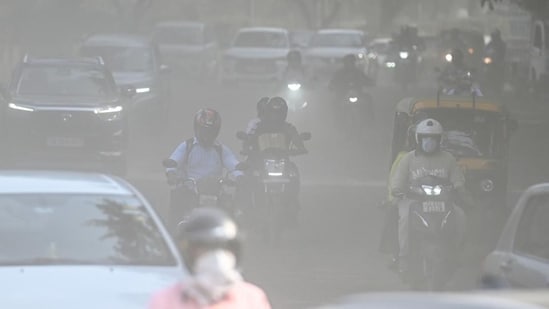
With AQI shooting sky-high and Diwali fast approaching, air pollution is once again the subject of many conversations. While it is widely recognised for its impact on respiratory and cardiovascular health, nephrologist Dr Umesh Gupta told HT Lifestyle that the effects can reach the kidneys as well.
Also Read | Doctor explains how modern work habits affect metabolic health and changes to make
“Emerging research suggests that prolonged exposure to polluted air could contribute to an increased risk of chronic kidney disease (CKD), a condition characterised by the gradual loss of kidney function,” stated the physician.
While air pollution is not the sole cause of CKD, it may be an important environmental risk factor that warrants greater attention. Dr Gupta went on to explain how air pollution affects the kidneys, who are at greater risk, and what we can do to protect ourselves.
How does air pollution affect the kidneys?
The kidneys filter waste products from the blood, regulate fluid balance and help maintain blood pressure.
{{/usCountry}}The kidneys filter waste products from the blood, regulate fluid balance and help maintain blood pressure.
{{/usCountry}}As Dr Gupta explained, “Fine particulate matter, particularly PM2.5, can enter the bloodstream through the lungs and trigger systemic inflammation and oxidative stress. These processes may damage the delicate blood vessels within the kidneys, potentially affecting their ability to filter blood efficiently.”
He cautioned that long-term exposure to the pollutants may also contribute to hypertension and insulin resistance, both of which are established risk factors for kidney disease. Over time, these effects may increase the burden on the kidneys and potentially contribute to disease development or progression.
Who are at greater risk?
In the words of the nephrologist, “The concern may be particularly significant for people who already have diabetes, high blood pressure, obesity or a family history of kidney disease. Older adults and individuals living in areas with persistently high pollution levels may also face greater cumulative exposure.”
However, the physician noted that the relationship between air pollution and CKD is complex and that further research is needed to determine the extent of its direct contribution.
How can we protect kidney health?
During periods of poor air quality, there are several steps people can take to reduce their risk of exposure, shared Dr Gupta. They include:
- Monitoring local AQI updates
- Limiting strenuous outdoor activities
- Improving indoor ventilation when outdoor air quality permits
- Using appropriately sized air purifiers where feasible
- Avoiding tobacco smoke
- Maintaining healthy blood pressure and blood glucose levels
“CKD can develop silently, with few noticeable symptoms in its early stages,” warned the nephrologist. “People with diabetes, hypertension or other recognised risk factors should consult their healthcare provider about appropriate screening.”
Note to readers: This article is for informational purposes only and not a substitute for professional medical advice. Always seek the advice of your doctor with any questions about a medical condition.
Dr Umesh Gupta is the Director and HOD of Nephrology and Kidney Transplant at Aakash Healthcare Multi-Speciality Hospital, Dwarka. He has more than 24 years of clinical experience.
Catch your daily dose of Fashion, Taylor Swift, Health, Festivals, Travel, Relationship, Recipe and all the other Latest Lifestyle News on Hindustan Times Website and APPs.
Catch your daily dose of Fashion, Taylor Swift, Health, Festivals, Travel, Relationship, Recipe and all the other Latest Lifestyle News on Hindustan Times Website and APPs.